
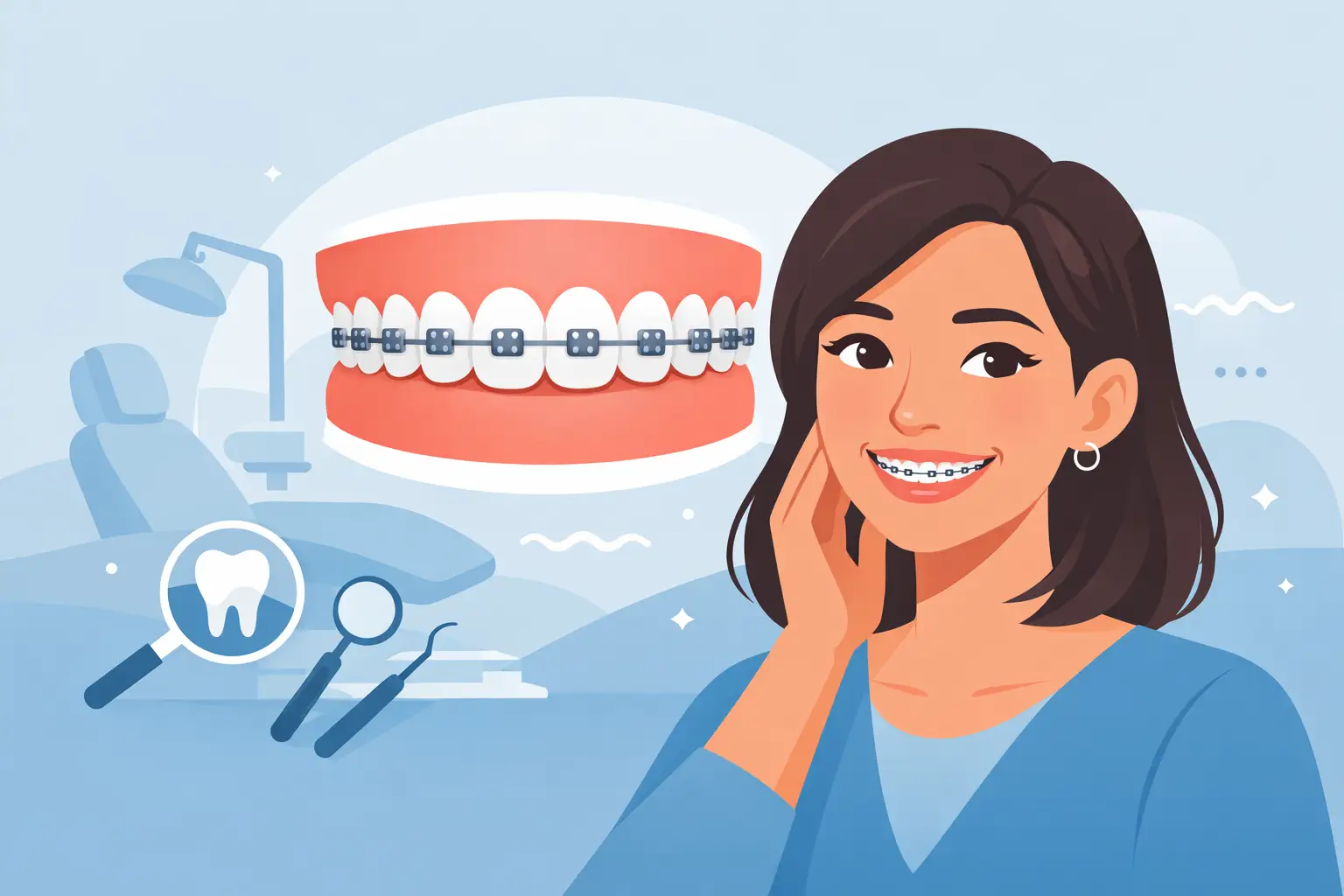
You may be long past high school, but that does not mean orthodontic treatment is off the table. In fact, metal braces for adults are still one of the most effective ways to correct crowded teeth, bite problems, spacing, and long-standing alignment issues. For many adults, the real question is not whether braces work. It is whether they fit real life – work meetings, family schedules, budgets, and the understandable hesitation of starting treatment later than expected.
The good news is that adult orthodontic treatment is more common than ever, and metal braces remain a trusted option for a reason. They are precise, dependable, and often a very practical choice when tooth movement needs to be carefully controlled.
Why adults still choose metal braces
Adult patients often ask about clear aligners first, usually because they want something less noticeable. That makes sense. Appearance matters, especially if you spend your day talking with clients, leading meetings, or just want to feel more discreet during treatment.
Still, metal braces continue to make sense for many adults because they can handle a wide range of orthodontic issues efficiently. If teeth are significantly crowded, rotated, or affected by bite concerns, braces can offer a level of control that is hard to beat. They do not rely on remembering to wear trays, and treatment stays working around the clock.
That consistency matters more than people think. Adults are busy. Between work, parenting, commuting, and everything else, it is easy for removable treatment to become one more thing to manage. Metal braces remove that pressure. Once they are on, they are doing their job all day and all night.
Are metal braces for adults different than braces for teens?
The appliances may look similar, but adult treatment is not exactly the same as teen treatment. Adult mouths and jaw structures are fully developed, and adults may also have existing dental work, gum recession, missing teeth, or TMJ symptoms that need to be considered during planning.
That is why a personalized approach matters. A thorough orthodontic evaluation should look beyond whether teeth are crooked. It should also assess bite function, bone support, jaw position, and overall oral health. In some cases, adult treatment is straightforward. In others, it takes more coordination and a more detailed plan to get a healthy, stable result.
This is also where advanced imaging and digital treatment planning can make the process feel much more manageable. Clear diagnostics help patients understand what is happening now, what can improve, and what kind of timeline is realistic.
What metal braces can fix
Metal braces are often recommended when alignment problems are more than cosmetic. They can treat crowding, spacing, overbites, underbites, crossbites, open bites, and teeth that have shifted over time. Adults who had braces years ago and did not keep up with retainers may also be surprised by how much braces can restore.
Sometimes the issue is obvious in photos. Sometimes it shows up as uneven wear, jaw tension, or difficulty cleaning around overlapping teeth. Straightening teeth is not only about appearance. Better alignment can make oral hygiene easier and help support long-term dental health.
That said, every case is different. Some adults are excellent candidates for clear aligners. Others will get a more predictable result with braces. The right choice depends on your goals, your bite, and how much tooth movement is needed.
What treatment feels like
One of the biggest concerns adults have is discomfort. Most people do not love the idea of brackets and wires, and if you have avoided treatment for years, you may be expecting the worst.
The reality is usually more manageable than people expect. When braces are first placed, there is typically a short adjustment period. Teeth may feel sore for a few days, and cheeks or lips can feel irritated while your mouth gets used to the brackets. After adjustments, you may notice pressure again, but it is usually temporary.
Adults often describe braces as more awkward than painful, especially in the beginning. Eating softer foods for a few days helps. Orthodontic wax helps. So does knowing what to expect before treatment starts. Compassionate guidance makes a big difference when you are learning something new.
How visible are they at work or socially?
Metal braces are visible. There is no point pretending otherwise. If your top priority is the least noticeable option possible, clear aligners or clear braces may be a better fit.
But visibility is only one part of the decision. Many adults find that after the first couple of weeks, they stop thinking about their braces nearly as much as they expected. Friends, coworkers, and family tend to adjust quickly too. In many cases, people are more supportive and less judgmental than patients fear.
There is also something refreshing about being honest about doing something good for yourself. Orthodontic treatment is a commitment to your health and confidence. Most adults who start treatment wish they had done it sooner, not that they had hidden it better.
How long do metal braces for adults take?
Treatment time depends on the complexity of the case. Some adults finish in about 12 to 18 months, while others need closer to 24 months or more. Bite correction, tooth movement goals, and oral health all affect the timeline.
Adult treatment can sometimes take a bit longer than treatment for younger patients because the bones are no longer growing. That does not mean results are out of reach. It simply means planning needs to be thoughtful and realistic.
The best way to think about timing is this: shorter is not always better if it compromises the result. A well-managed treatment plan should balance efficiency with precision, so your final bite is stable and your smile looks natural.
Cost, value, and what adults should ask
Cost is another common reason adults delay treatment. That is understandable. Orthodontics is an investment, and most people want a clear picture before they commit.
Metal braces are often one of the more cost-effective orthodontic options, especially compared with some cosmetic alternatives. But price alone should not drive the decision. What matters is the quality of diagnosis, the experience of the orthodontic team, and whether the treatment plan is designed around your specific needs.
When you meet with an orthodontist, ask what is included in the fee, what the estimated timeline looks like, whether retainers are included, and what payment options are available. Transparency matters. So does feeling like your questions are welcomed, not rushed.
Daily life with adult braces
Once the first adjustment period passes, most adults settle into a routine. You will need to be more mindful about brushing and flossing, and you will want to avoid foods that can damage brackets or wires. Hard, sticky, or crunchy foods may need to be limited.
That trade-off is real, but it is temporary. Many patients find that the routine becomes second nature faster than expected. Keeping up with appointments and home care is what keeps treatment moving efficiently.
If your schedule is already packed, convenience matters. Flexible scheduling, clear communication, and a team that respects your time can make treatment feel far less stressful. That support is part of the experience, not an extra.
When metal braces are the better choice
There are situations where metal braces are simply the smarter option. If you have a more complex bite issue, significant crowding, or teeth that need detailed movement, braces may offer greater control. They can also be helpful if you know removable trays would be difficult to wear consistently.
This is where honesty matters. The best treatment option is not the one that sounds most appealing online. It is the one that fits your goals and gives you the best chance of a healthy, lasting result.
At 1st Impressions Orthodontics, that conversation should feel judgment free and clear. Adult patients deserve straightforward answers, a customized plan, and care that respects both the science and the reality of daily life.
A confident smile is not age-limited
There is no deadline for finally fixing what has bothered you for years. Whether you are concerned about crowding, bite issues, shifting teeth, or simply wanting to feel more confident when you smile, metal braces can still be a strong and reliable option as an adult.
The first step does not have to feel overwhelming. It just has to give you clarity. When you understand your options and have the right team supporting you, treatment starts to feel less like a disruption and more like progress.