A lower front tooth that has turned slightly. A small space that was not there after braces. A retainer that suddenly feels tight. These are common signs of orthodontic relapse, and they often lead to one practical question: can retainers fix minor shifting? Sometimes, yes. But the answer depends on how much your teeth have moved, what type of retainer... read more »
A bite can look minor in a photo and still affect how comfortably someone chews, speaks, sleeps, or feels about their smile. This guide to bite correction options is designed to make the next step feel clearer: understand what is happening, learn which treatments may help, and get personalized answers from an orthodontic specialist rather than guessing from a mirror.... read more »
A child’s front teeth can look a little crooked during the tooth-swap years and still develop normally. Other concerns, such as a bite that makes chewing difficult or a jaw that shifts to one side, deserve attention sooner. So, when do children need braces? The answer depends less on age alone and more on how their teeth, jaws, and bite... read more »
A child may have all their permanent teeth and still not be ready for clear aligners. An adult may be 50, 60, or beyond and be an excellent candidate. The best age for Invisalign is not a single birthday - it is the point when a patient’s teeth, bite, oral health, and daily habits make treatment both effective and manageable.... read more »
A clear aligner tray may look simple, but the planning behind it is becoming much more sophisticated. The future of clear aligners is not just about making trays less noticeable. It is about helping orthodontists diagnose more precisely, personalize treatment more carefully, and make progress easier for patients to follow. For teens balancing school and activities, adults managing work and... read more »
A tight jaw at the end of a busy day can feel like a small annoyance, until it starts interrupting sleep, triggering headaches, or making meals uncomfortable. If you are wondering how to relieve jaw clenching, the most helpful first step is to notice when it happens. Clenching is often an automatic response to stress, concentration, an uneven bite, or... read more »
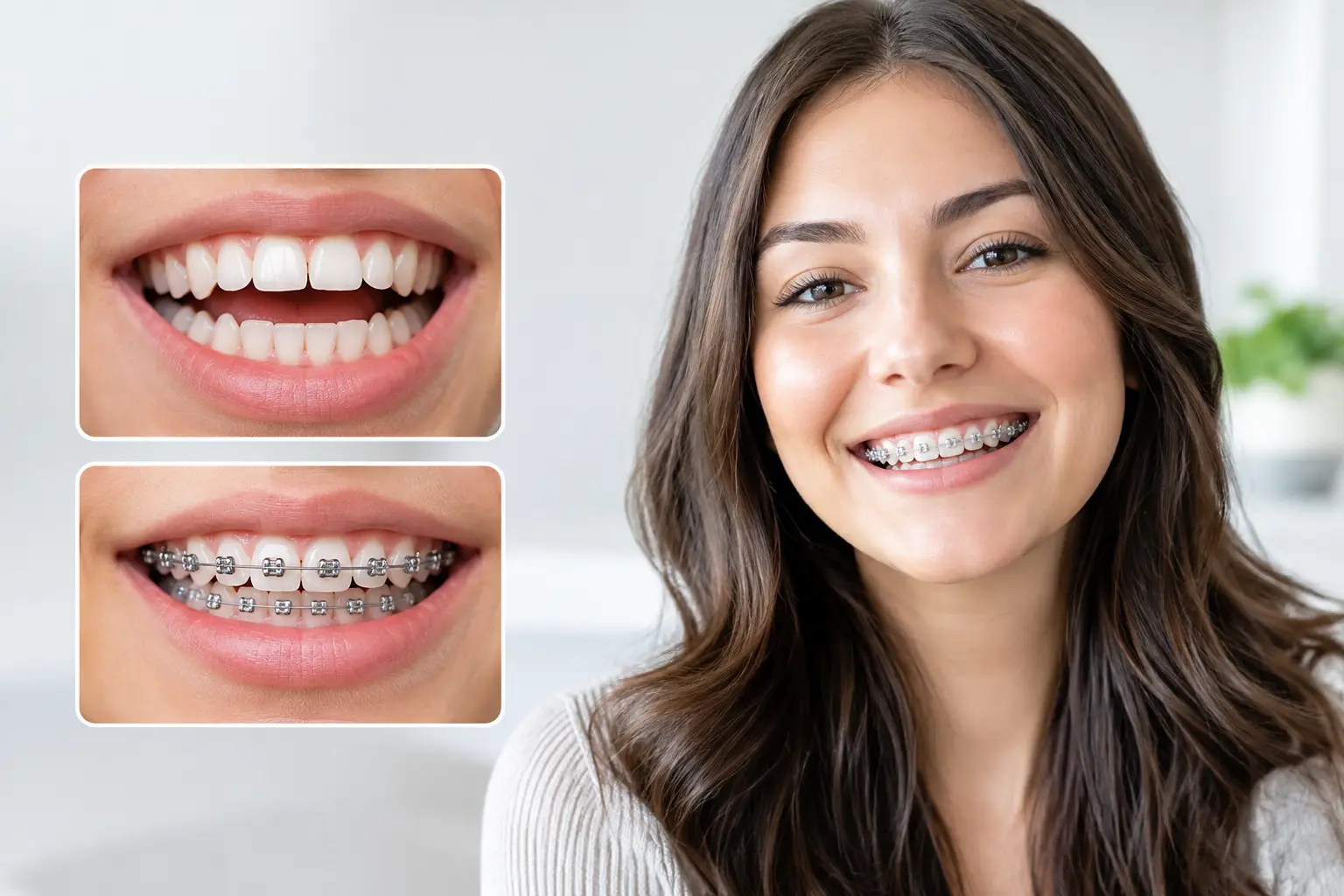
When your front teeth do not touch when you bite down, everyday moments can feel surprisingly difficult. Biting into a sandwich, pronouncing certain sounds, or smiling in photos may bring attention to a gap you would rather not think about. Open bite braces results can be life-changing because treatment is about more than closing a visible space - it is... read more »
A crowded lower tooth that catches food. A bite that feels slightly off in photos or when you chew. A smile you have learned to hide without quite realizing it. These are common reasons adults begin asking about adult braces - and they are all valid reasons to seek answers. Orthodontic treatment is not just for teenagers. Healthy teeth can... read more »
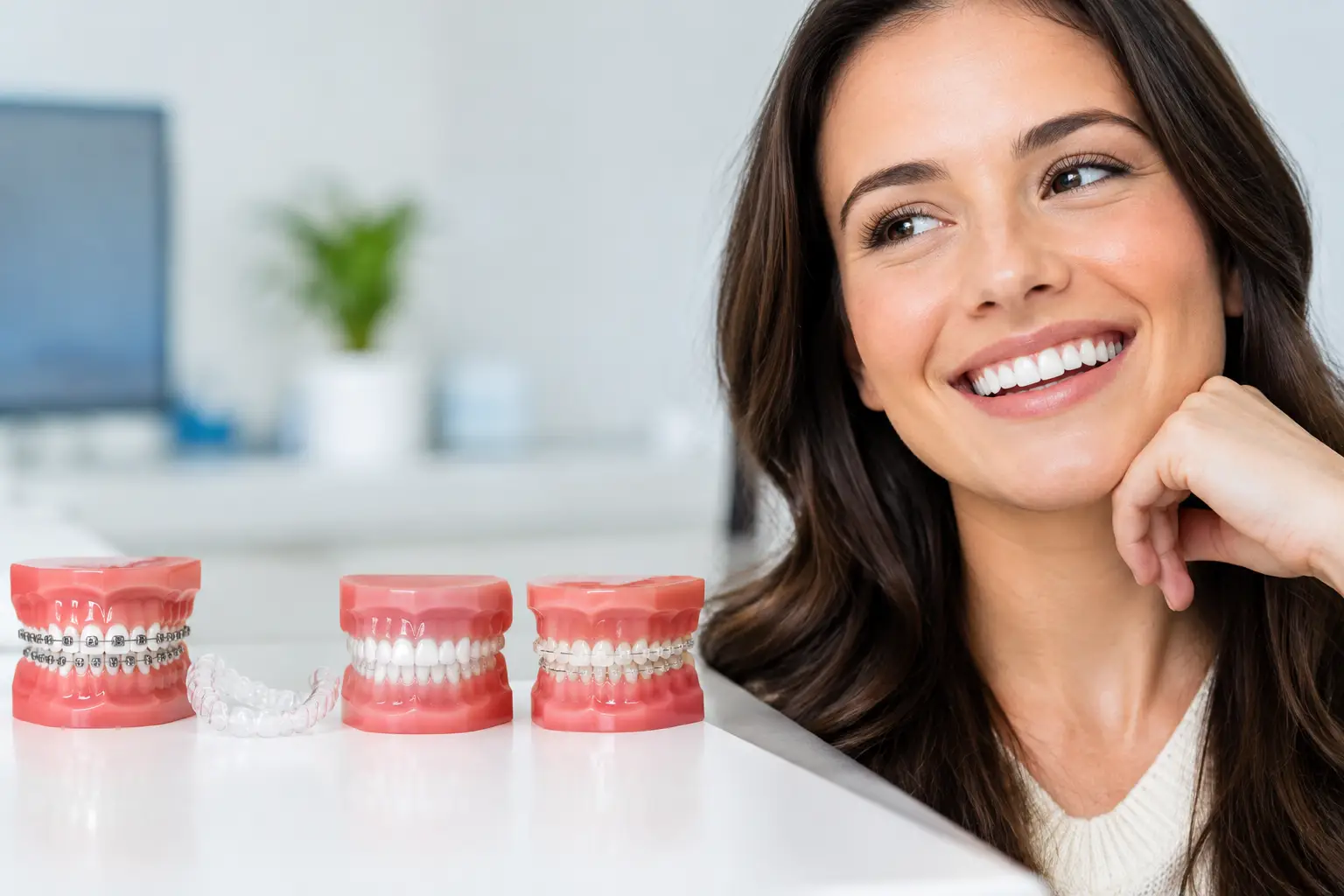
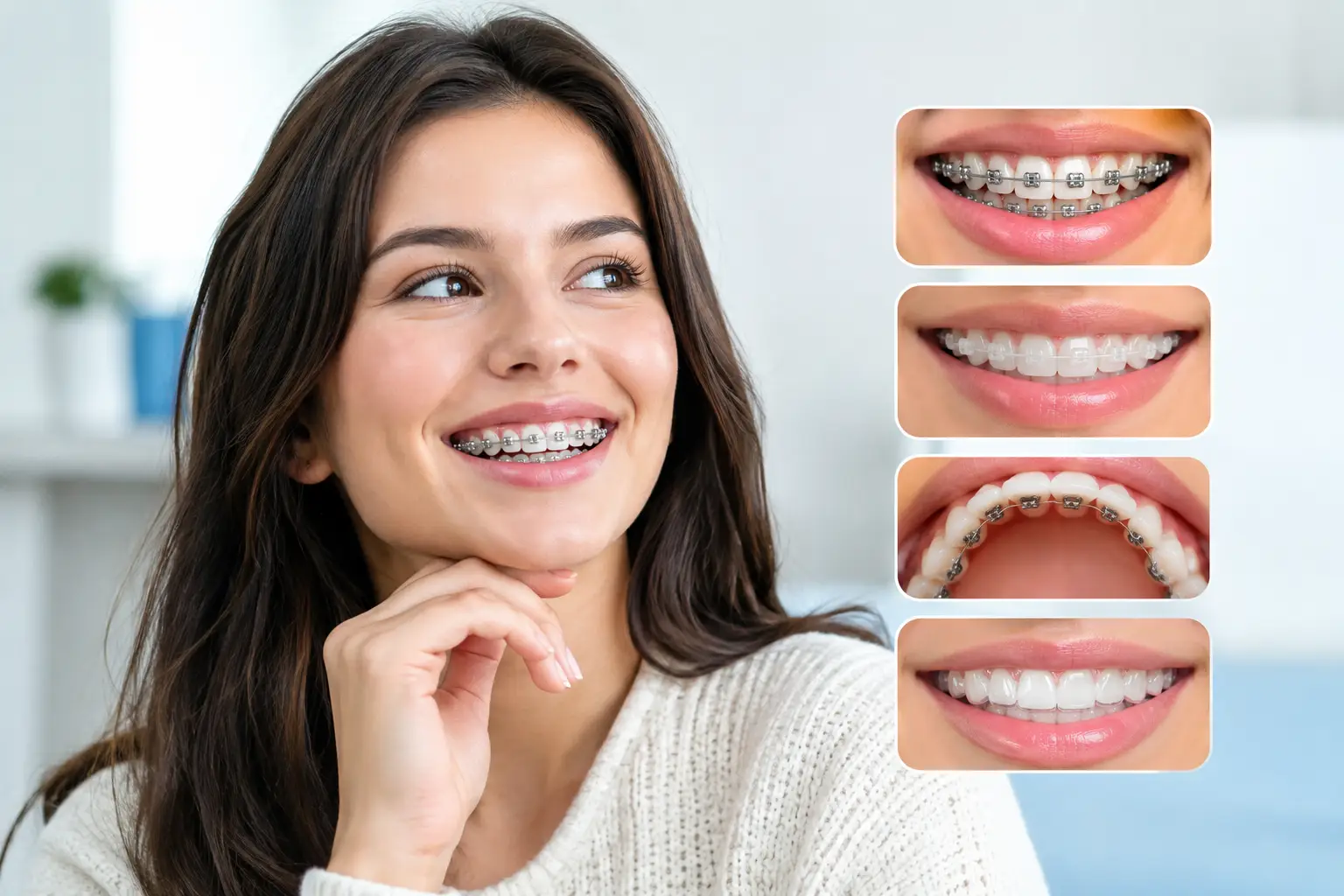
A treatment plan should fit more than your teeth. When comparing braces types, you are also weighing school photos, work meetings, favorite foods, cleaning routines, sports, comfort, and the specific bite concerns that affect your long-term oral health. The right choice is not always the least visible option or the one a friend had. It is the option that can... read more »
An open bite can make everyday moments unexpectedly frustrating. You may notice that your front teeth do not meet when you bite down, making it harder to tear into foods or feel fully confident in photos. So, can Invisalign treat open bites? In many cases, yes. Clear aligners can be an effective option for certain open bites when treatment is... read more »