
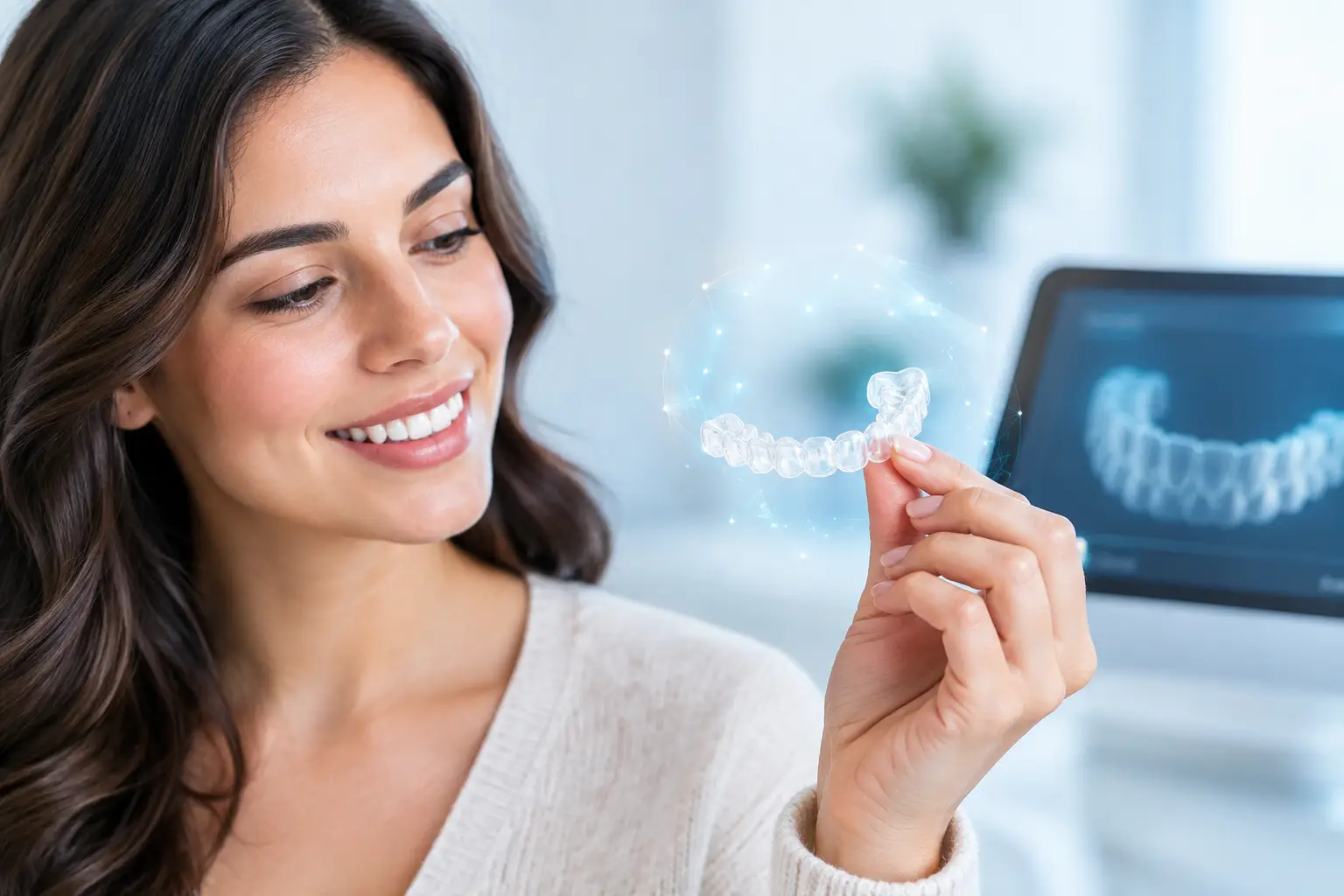
A clear aligner tray may look simple, but the planning behind it is becoming much more sophisticated. The future of clear aligners is not just about making trays less noticeable. It is about helping orthodontists diagnose more precisely, personalize treatment more carefully, and make progress easier for patients to follow.
For teens balancing school and activities, adults managing work and family, and parents making decisions for a child, that can mean a treatment experience with more clarity and fewer surprises. Still, newer technology does not make every orthodontic concern a clear-aligner case. A healthy, confident result depends on the right diagnosis, thoughtful planning, and a specialist who is paying attention throughout treatment.
The Future of Clear Aligners Starts With Better Planning
Clear aligner treatment begins long before the first tray is worn. Modern digital scans can create a highly detailed model of the teeth and bite without traditional goopy impressions. From there, an orthodontist can study tooth position, spacing, crowding, bite relationships, and the movements needed to reach the desired result.
The next stage of aligner technology is likely to make this planning even more precise. Improved software can help model the sequence of tooth movements, anticipate where attachments may be useful, and show patients a realistic preview of treatment goals. Three-dimensional imaging may also provide valuable information when it is clinically appropriate, especially for cases involving impacted teeth, complex bite concerns, or jaw relationships.
That does not mean software replaces clinical judgment. A digital simulation is a planning tool, not a promise that every tooth will move exactly as pictured or that every bite will respond the same way. Biology matters. Bone support, gum health, tooth shape, growth, wear habits, and consistent aligner use all affect the path forward.
For patients, better planning should feel less like a high-tech sales pitch and more like clear guidance. You should understand what treatment is designed to improve, what may require extra attention, and whether clear aligners are truly the right fit for your smile.
More Personalized Clear Aligner Treatment
No two smiles have the same starting point, and the future of clear aligners will continue moving away from one-size-fits-all treatment. Orthodontists can already customize aligner plans around a patient’s bite, facial balance, goals, and daily routine. As materials and planning systems advance, that customization may become more refined.
For example, some patients need small cosmetic adjustments to straighten visible front teeth. Others need comprehensive correction for crowding, deep bites, crossbites, open bites, or spacing that affects both appearance and function. Those are very different goals, even if both patients ask about Invisalign or another clear aligner option.
Personalization also includes deciding when aligners need help. Attachments, small tooth-colored shapes placed temporarily on teeth, give aligners a better grip for certain movements. Elastics may be recommended to improve the relationship between the upper and lower teeth. Some patients may benefit from a combination of orthodontic approaches rather than aligners alone.
The most advanced option is not automatically the best option. Clear aligners can be an excellent choice for many teens and adults, but braces may offer more predictable control in some complex situations. A compassionate orthodontic conversation should make room for that honesty.
Materials May Improve Comfort and Control
Clear aligner materials have already evolved to be stronger, clearer, and better able to apply consistent force than earlier generations. Continued research may lead to trays that hold their shape more effectively and support more precise tooth movement over time.
Comfort matters, but it should be understood realistically. Orthodontic treatment moves teeth, so brief pressure or tenderness can happen when starting a new aligner series. Better materials may make forces more controlled, but they will not eliminate every adjustment period. Patients should still expect a short learning curve and a commitment to wearing aligners as directed, commonly 20 to 22 hours a day.
Remote Monitoring Can Add Convenience, Not Replace Care
One of the most noticeable changes in clear aligner treatment is the growth of remote monitoring. With guided photos or app-based check-ins, patients may be able to share progress between appointments. For busy families in Westminster and nearby communities, that can reduce unnecessary office visits and help the orthodontic team identify an issue early.
Remote monitoring can be especially helpful when an aligner is not fitting fully, an attachment comes off, or a patient is unsure whether it is time to change trays. It may also allow appointments to be scheduled based on what the treatment actually needs rather than a fixed calendar alone.
But convenience has limits. Photos cannot always show every detail of a bite, gum health, tooth movement, or jaw function. In-person visits remain important for evaluating fit, making adjustments, replacing attachments, and confirming that treatment is progressing safely. The best model is usually a thoughtful blend of digital check-ins and hands-on orthodontic care.
That distinction is one reason direct-to-consumer aligner treatment has raised concerns. Straightening teeth without regular orthodontic oversight can miss bite problems, gum issues, or movements that do not track as planned. A smile may look straighter from the front while the bite becomes less stable or less comfortable. Professional supervision protects more than appearance.
Faster Treatment Will Still Depend on the Patient
Patients often ask whether future clear aligners will make treatment dramatically faster. In some cases, improved planning and monitoring may help avoid delays by catching problems sooner. More efficient tooth movement sequencing may also reduce unnecessary steps for appropriate cases.
Still, there is no responsible shortcut around biology. Teeth need time to move through bone safely. Trying to force movement too quickly can increase the risk of poor tracking, discomfort, or unwanted changes. The most efficient treatment is not the one with the shortest advertised timeline. It is the one that reaches a healthy, functional, stable result without cutting corners.
Your daily habits matter just as much as the technology. Aligners need to be worn consistently, removed only for eating and brushing unless instructed otherwise, and stored safely when out of the mouth. Lost trays, inconsistent wear, and skipped check-ins can add time to even the most carefully designed plan.
Better Data Should Mean Clearer Communication
As orthodontic technology becomes more detailed, patients should receive clearer explanations, not more confusing jargon. Digital progress tools can help show how treatment is moving forward, when refinements are needed, and why retainers matter once active treatment is complete.
Refinements are a normal part of many clear aligner cases. They involve additional scans and aligners used to fine-tune positions after the initial series. They are not necessarily a sign that treatment failed. Teeth do not always follow a computer simulation perfectly, and careful refinement is often how an orthodontist protects the quality of the final result.
Retainers will remain essential, too. Whether treatment uses braces or clear aligners, teeth can shift after active orthodontics. The future may bring more customized retainer options and easier digital replacement processes, but the basic principle will not change: maintaining a new smile requires long-term follow-through.
What This Means for Families and Adults Considering Aligners
The future of clear aligners should feel encouraging, not overwhelming. Patients can expect more digital planning, more flexible communication, and treatment plans that better reflect individual needs. What should not change is the value of a thorough orthodontic evaluation.
At 1st Impressions Orthodontics, the goal is to pair modern tools with compassionate, judgment-free guidance. That means looking beyond whether aligners are convenient or nearly invisible and asking the questions that protect your long-term smile: Is your bite healthy? Are your teeth and gums ready for movement? What approach gives you the most predictable result?
If you are considering clear aligners, start with a conversation that feels unhurried and specific to you. The right plan should fit your smile, your lifestyle, and your comfort level, while giving you confidence that someone is watching the details that matter.