
A lower front tooth that has turned slightly. A small space that was not there after braces. A retainer that suddenly feels tight. These are common signs of orthodontic relapse, and they often lead to one practical question: can retainers fix minor shifting? Sometimes, yes. But the answer depends on how much your teeth have moved, what type of retainer you have, and whether the movement involves your bite as well as the appearance of your smile.
The reassuring news is that small changes are often easier to address than more established shifting. An orthodontic evaluation can clarify whether your current retainer can help, needs adjustment or replacement, or whether a short course of clear aligners would give you a more precise result.
Can Retainers Fix Minor Shifting?
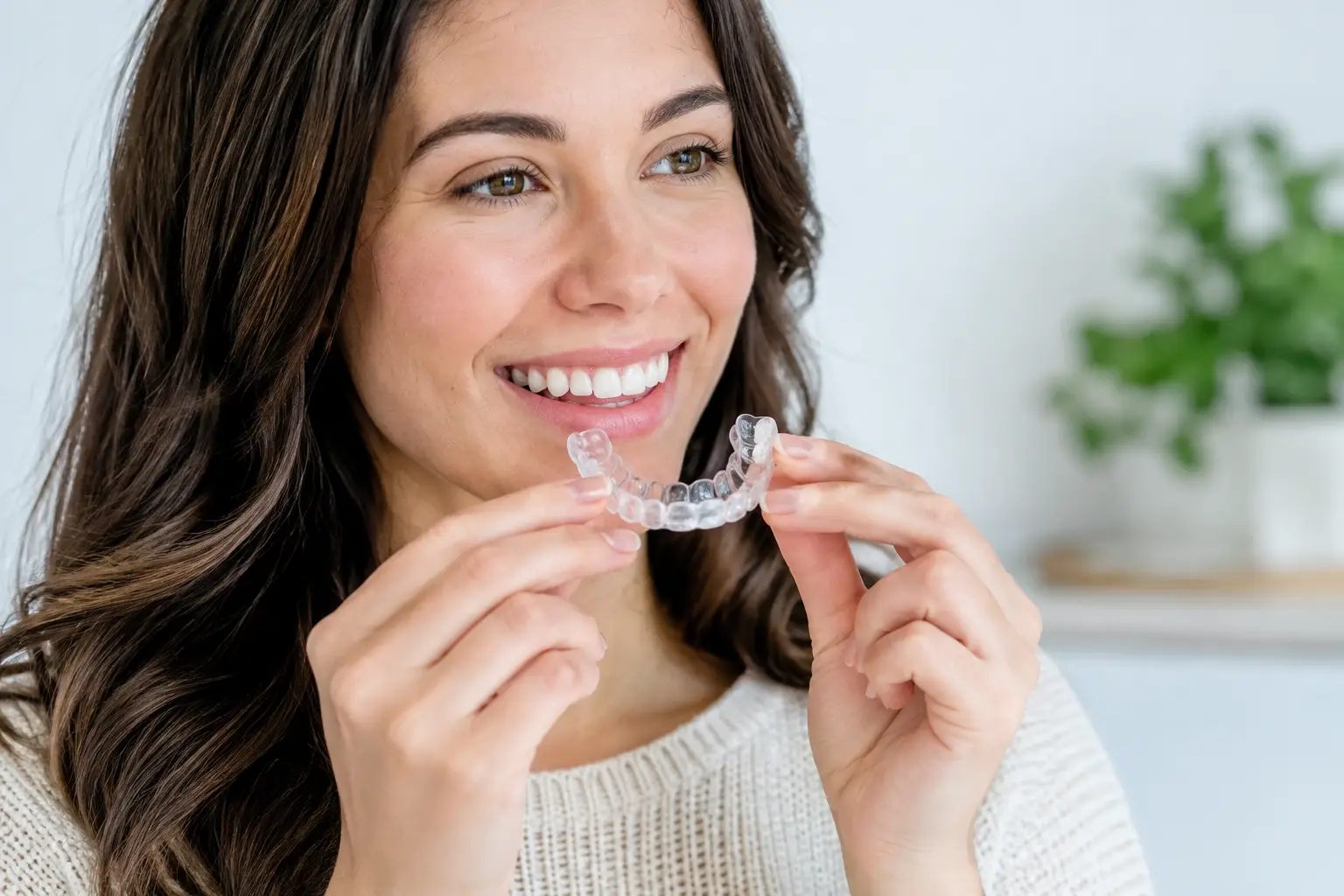
Retainers are primarily designed to hold teeth in their corrected positions after braces or clear aligner treatment. They are not usually intended to create major tooth movement. Still, a clear removable retainer can sometimes guide a tooth or two back toward its intended position when the shifting is very mild and recent.
A retainer that fits snugly but comfortably may apply gentle pressure to teeth that have begun to drift. In some cases, wearing it consistently as directed can help close a tiny space or improve slight crowding. This is most likely when the retainer was made for your current smile and the movement is limited.
There is an important distinction, though: tight is not the same as helpful. If a retainer will not seat fully, causes sharp pain, looks warped, or requires force to put in, do not try to push through it. Forcing an ill-fitting retainer can damage the appliance, irritate your gums, or place pressure on teeth in an unpredictable way. A quick orthodontic check is the safer next step.
When a Retainer May Be Enough
Minor shifting is not measured only by what you see in the mirror. Your orthodontist will look at tooth position, how your upper and lower teeth meet, the condition of the retainer, and how stable your result is likely to be over time.
A retainer may be a reasonable solution when the change is small, your bite still feels normal, and the appliance fits almost completely. For example, a patient who stopped wearing a clear retainer for a few weeks and notices one lower tooth has moved slightly may be able to get back on track with a carefully supervised retainer plan.
A fixed retainer, also called a bonded retainer, works differently. It is a thin wire attached behind the front teeth. It is excellent at preventing movement in the teeth it is bonded to, but it generally will not correct movement once it has occurred. If the wire has loosened or broken, teeth can shift surprisingly quickly, so it is worth having it checked as soon as you notice a change.
Even if your retainer helps with a small relapse, you may need a new one afterward. Once teeth return to a healthier position, a retainer should be made to match that updated result and help protect it.
Signs You May Need More Than a Retainer
Clear aligners or limited orthodontic treatment may be the better choice when teeth have moved beyond a very slight change. Aligners are designed to move teeth in planned stages, using a series of trays that apply controlled forces. That precision matters when several teeth have shifted, a tooth has rotated, or your bite no longer feels balanced.
Consider scheduling an orthodontic visit if your retainer no longer fits over all your teeth, you see noticeable crowding or spacing, or you have changes in how you chew. New jaw discomfort, uneven tooth wear, or a bite that feels “off” should also be evaluated. Cosmetic shifting can sometimes affect function, and functional changes deserve more than a do-it-yourself solution.
For many adults, short-term clear aligner treatment is a practical option for relapse after previous braces. Treatment length varies, but minor corrections often take less time than comprehensive orthodontic treatment because the goal is targeted. Your orthodontist can tell you whether limited treatment is appropriate or whether a more complete plan would better protect your bite and long-term result.
Why Teeth Shift After Orthodontic Treatment
Teeth are not locked into the jawbone after braces come off. They are supported by living tissues that continue to respond to normal forces over time. Chewing, clenching, aging, and changes in the gums and bone can all contribute to gradual movement.
Retainer wear is the biggest factor within your control. Many people finish treatment with excellent intentions, then transition from nightly wear to occasional wear as life gets busy. A retainer left in a bathroom drawer or wrapped in a napkin cannot protect your smile. This is especially common for college students, busy professionals, and parents juggling everyone else’s appointments.
Other causes can play a role as well. A broken bonded retainer, a damaged removable retainer, wisdom tooth concerns, gum disease, tooth loss, and grinding may change the forces on your teeth. Orthodontic relapse is not a personal failure or something to feel embarrassed about. It is simply a common reason to check in with an orthodontic specialist.
What to Do If Your Teeth Have Shifted
Start by finding your most recent retainer. If it fits fully and feels mildly snug without significant pain, wear it according to your orthodontist’s previous instructions while you contact the office for guidance. Do not wear a cracked, warped, heavily worn, or partially fitting appliance.
Avoid boiling a retainer, bending a bonded wire at home, or trying online “retainer hacks.” Heat can permanently distort clear plastic, and home repairs may make a small orthodontic issue harder to correct. A replacement retainer may be all you need, but that decision should follow an examination rather than a guess.
At your appointment, your orthodontist may use digital scans or imaging to compare your current tooth positions with your previous treatment result. This gives you a clear, judgment-free explanation of what changed and what can realistically be corrected. You should leave knowing your options, expected timeline, retainer needs, and next steps.
Retainer Care That Protects Your Results
The best way to handle relapse is to reduce the chance of it happening again. Long-term retention is normal, even after beautifully finished orthodontic treatment. Think of a retainer as ongoing protection for the time, care, and investment you put into your smile.
Wear your retainer exactly as prescribed, and bring it to orthodontic visits so its fit can be checked. Clean it gently with a soft toothbrush and approved cleaner, keep it in its protective case when it is not in your mouth, and keep it away from heat and pets. If you have a bonded retainer, inspect it regularly and contact your orthodontist if it feels loose, rough, or detached.
If you have lost your retainer, do not wait until you notice visible shifting. Replacing it promptly can save you from needing additional treatment later. For families in Westminster and surrounding communities, 1st Impressions Orthodontics can provide compassionate guidance on whether your retainer still fits, whether a replacement is needed, and what treatment would best support your smile.
A small shift does not mean you have lost your orthodontic result. It means your smile may need timely attention. The sooner you have it evaluated, the more likely the solution will be straightforward, comfortable, and tailored to the life you are already living.