
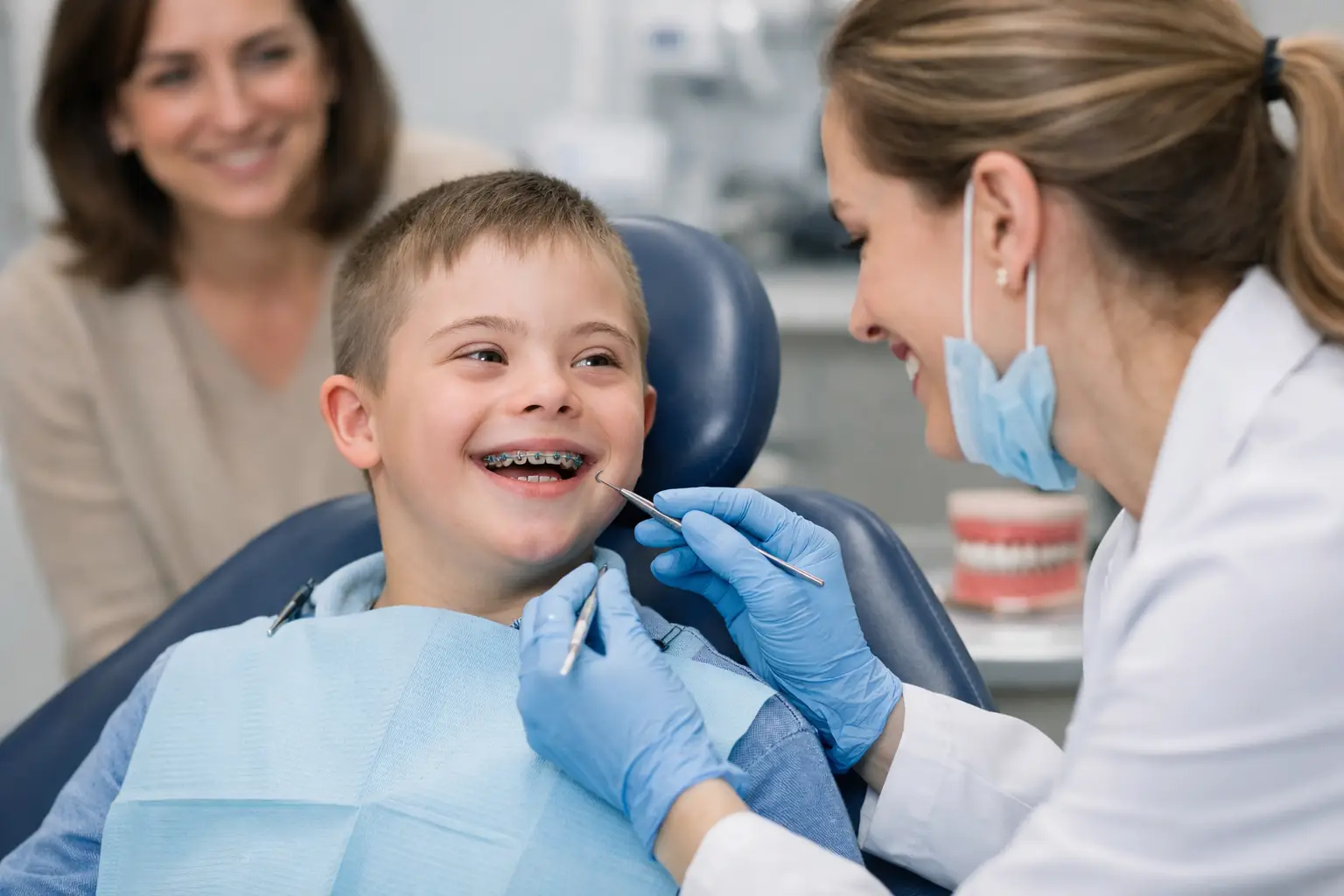
For some families, the hardest part of starting orthodontic care is not deciding between braces and aligners. It is wondering whether orthodontic treatment for special needs patients will feel manageable, respectful, and truly tailored to the person behind the diagnosis. That concern is valid, and it deserves a thoughtful answer.
Orthodontic care can absolutely be successful for patients with physical, developmental, sensory, behavioral, or medical challenges. The key is not forcing a standard treatment plan onto every patient. The key is building care around communication style, comfort level, oral habits, medical history, and day-to-day support at home. When that happens, treatment becomes far more realistic and far less overwhelming.
What orthodontic treatment for special needs patients really involves
This type of care is not a separate category of orthodontics with completely different goals. The goals are often the same as they are for any other patient – healthier alignment, a better bite, improved function, and a smile that feels more comfortable and confident. What changes is the way treatment is planned and delivered.
Some patients need extra time at visits. Some do better with shorter appointments and fewer surprises. Others may need desensitization before records are taken, or a simpler appliance choice because hygiene, tolerance, or cooperation will be a challenge. In many cases, success depends just as much on the experience in the chair as it does on the brackets, wires, or aligners themselves.
That is why a personalized consultation matters so much. A diagnosis alone does not tell the whole story. Two patients with the same condition may have completely different sensory needs, communication styles, and treatment tolerance.
Who may benefit from specialized orthodontic planning
Special needs orthodontic care can include patients with autism spectrum disorder, Down syndrome, ADHD, cerebral palsy, craniofacial differences, seizure disorders, developmental delays, sensory processing challenges, or complex medical backgrounds. It can also include patients who do not carry a formal diagnosis but still need a gentler, more adaptive approach.
Many of these patients have orthodontic concerns that affect daily life in a real way. Crowding may make brushing harder. A bite problem may contribute to chewing difficulty. Protruding teeth can be more vulnerable to injury. Oral habits, airway concerns, and jaw development issues may also play a role. Treating those problems is not only cosmetic. In the right case, it can improve comfort, function, and oral health.
The first visit should reduce stress, not add to it
For families, the consultation often sets the tone for everything that follows. A good first visit should feel calm, clear, and judgment free. That means listening before recommending anything.
An orthodontist should want to know what helps the patient regulate, what triggers discomfort, how the patient communicates best, and whether certain sounds, textures, lights, or instruments are difficult. Medical history matters, but practical details matter too. Can the patient tolerate impressions or scans? Is oral hygiene already a challenge? Will a parent or caregiver be helping with elastics, aligners, or brushing?
Advanced imaging can help make this process easier because it often allows for more precise planning with less guesswork. At the same time, technology should support comfort, not replace human attention. The most advanced office in the world will not feel like the right fit if the patient does not feel understood.
Choosing the right appliance depends on the patient
There is no single best appliance for every special needs patient. Sometimes metal braces are the most predictable option because they do not depend on remembering to wear removable trays. In other cases, clear aligners may be more comfortable and less overstimulating than brackets and wires.
The trade-offs matter. Braces stay in place, which can be helpful for patients who would struggle with compliance. But they can also make hygiene harder, especially for patients with limited dexterity or oral sensitivity. Aligners are removable and often smoother, but they only work well if the patient can wear them consistently and tolerate putting them in and taking them out.
Early interceptive treatment may also be worth discussing in some children. If a developing bite problem is likely to become more complex later, earlier care can sometimes shorten or simplify future treatment. That said, earlier is not always better. For some children, waiting until they are more mature and more cooperative leads to a smoother experience. It depends on the problem, the timing, and the child.
Sensory and behavioral needs should shape the treatment plan
One of the biggest mistakes in orthodontics is treating cooperation as a character issue. For many special needs patients, what looks like resistance is actually sensory overload, communication frustration, fear, or physical discomfort.
That is why flexibility is so important. Small adjustments can make a major difference. A patient may do better with a morning appointment, a quiet room, visual explanations, step-by-step transitions, or the chance to touch a tool before it is used. Some need a slower pace. Others need visits kept short and highly structured.
This is also where caregiver input is incredibly valuable. Parents and caregivers often know exactly what helps a patient feel safe and what tends to escalate stress. The best orthodontic teams treat that knowledge as essential, not optional.
Oral hygiene can be the deciding factor in success
Even the best treatment plan can run into problems if daily home care is not realistic. Plaque buildup around braces can lead to decalcification, gum inflammation, and cavities. For special needs patients who already struggle with brushing, adding appliances may increase that risk.
That does not mean treatment should be ruled out. It means hygiene has to be addressed honestly from the start. Sometimes the right answer is choosing a simpler treatment plan. Sometimes it means more frequent hygiene support, caregiver-assisted brushing, or tools that make cleaning easier. In some situations, delaying treatment until home care improves is the most responsible choice.
Clear communication matters here. Families should understand not only what treatment can fix, but also what it requires. Setting realistic expectations early helps prevent frustration later.
Safety and medical coordination may be part of the process
Some patients need extra medical consideration before orthodontic treatment begins. Certain medications can affect oral tissues. Seizure history, cardiac conditions, airway concerns, or craniofacial differences may influence appliance choice and appointment planning. Patients with significant reflux, dry mouth, or oral motor challenges may also need added support.
This does not automatically make orthodontic care too complicated. It simply means the planning should be thorough. In some cases, coordination with a pediatric dentist, physician, therapist, or other specialist may be appropriate. Good orthodontic care is precise, but it also knows when to work as part of a larger team.
What families should ask before starting treatment
If you are considering orthodontic treatment for special needs patients, ask practical questions. How does the office adapt appointments for sensory or behavioral needs? What happens if a patient cannot tolerate a certain procedure on the first try? Which appliance is most realistic for this person’s routines and abilities? How will hygiene be monitored? What support will caregivers need to provide at home?
The answers should feel specific, not vague. Families deserve clear guidance about timelines, likely challenges, and what success will actually require. Reassurance is helpful, but honesty is better. The right office will offer both.
A good outcome is about more than straight teeth
For many patients, success includes improved comfort with eating, easier brushing, better bite function, reduced risk of dental injury, and a more positive relationship with dental care overall. Sometimes the biggest win is not a dramatic before-and-after photo. It is the fact that the patient completed treatment in a way that felt safe, supported, and respectful.
That is the standard compassionate orthodontic care should aim for. At 1st Impressions Orthodontics, that kind of personalized planning is central to how treatment is approached, especially for patients who need more flexibility, more patience, and more individualized support.
If you are a parent, caregiver, or adult exploring care for yourself, trust the instinct that says the experience matters just as much as the result. The right orthodontic plan should fit the patient, not the other way around.