
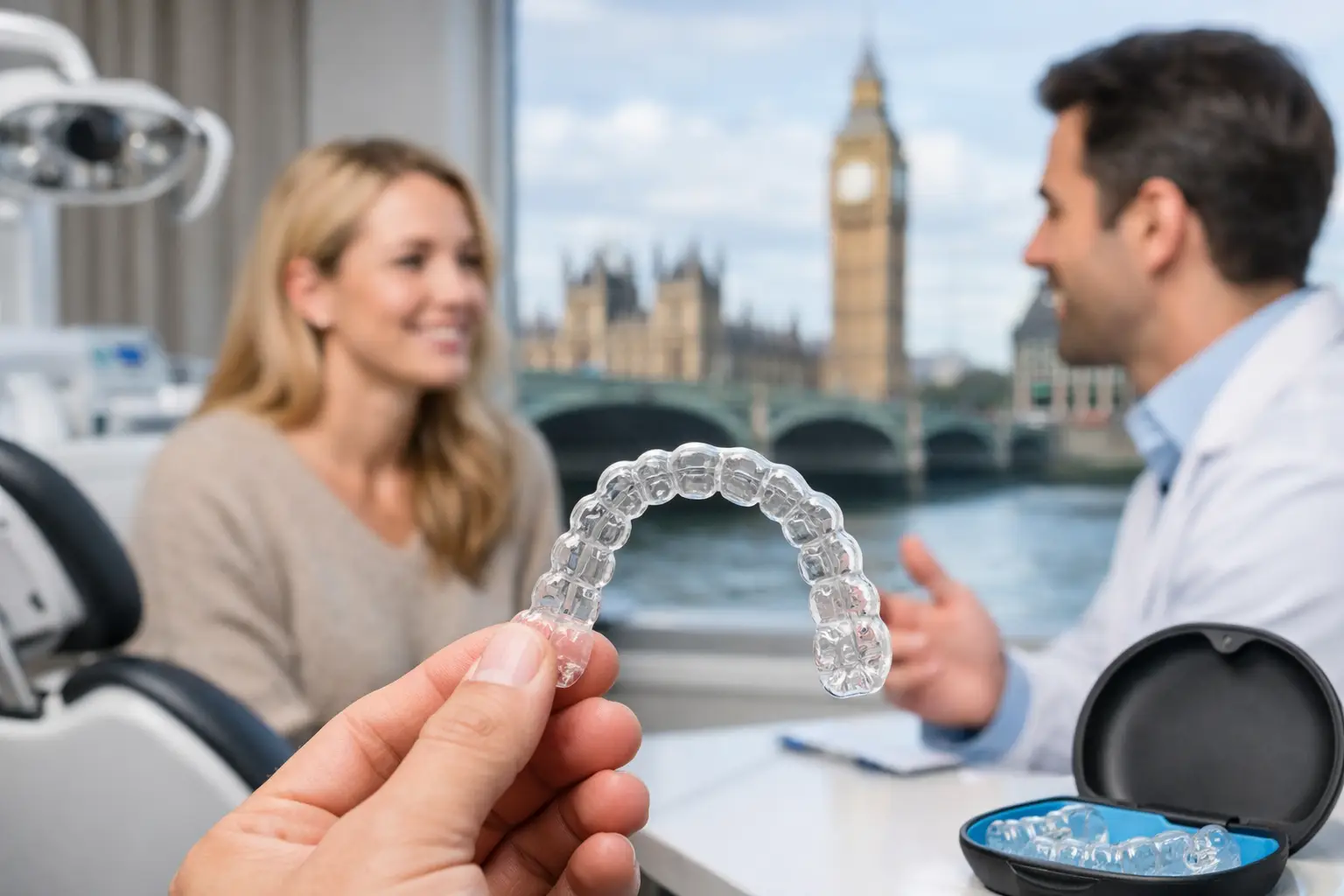
Some people put off orthodontic treatment for years because they assume clear aligners are simple in theory but hard to fit into real life. The truth is that working with a Westminster Invisalign specialist can make the process feel far more manageable, especially when your treatment is designed around your bite, schedule, and comfort from the start.
Invisalign is appealing for obvious reasons. The aligners are clear, removable, and often easier to live with than traditional braces for adults and teens who want a lower-profile option. But the part many patients do not see at first is that successful Invisalign treatment is not just about getting trays. It is about diagnosis, planning, monitoring, and making smart adjustments along the way.
Why a Westminster Invisalign specialist matters
Clear aligners can look straightforward. Wear the trays, switch them out on schedule, and wait for your smile to improve. In reality, tooth movement is biology, not just software. Teeth do not always move exactly as predicted, and bite correction often requires more than cosmetic alignment.
That is where specialist care makes a meaningful difference. An orthodontic specialist has advanced training focused specifically on tooth movement, bite relationships, jaw development, and long-term stability. If you have crowding, spacing, overbite, underbite, crossbite, or shifting from previous treatment, a specialist is equipped to look beyond the front teeth and plan for how your full bite should function.
This matters because a smile that looks straighter in photos is only part of the goal. Comfort when chewing, healthy tooth wear, and stability after treatment all deserve attention too. Invisalign can address a wide range of issues, but the quality of the treatment plan has a major impact on the result.
What makes Invisalign treatment more successful
A good Invisalign experience starts with a clear diagnosis. That means more than taking quick impressions and estimating how long treatment might take. It means understanding whether aligners are the right fit for your case, how much movement is realistic, and what details need close monitoring.
Digital imaging and 3D treatment planning help make this process more precise. They allow your orthodontist to evaluate tooth position, bite relationships, and movement patterns in greater detail before treatment even begins. For patients, that usually translates into clearer expectations and fewer surprises.
There is also a practical side to success. Invisalign works best when it fits your daily habits. If you are a busy parent, a working professional, or a teen balancing school and activities, your treatment plan should be realistic. Wearing aligners consistently is essential. If a provider does not talk honestly about compliance, attachments, refinements, or retainer wear afterward, that is a sign the conversation may be oversimplified.
The best care tends to be both precise and personal. You want expert planning, but you also want to feel comfortable asking questions and getting straightforward answers.
What to expect from your first consultation
For many patients, the first appointment is where anxiety starts to drop. A strong consultation should feel informative, not rushed. You should leave understanding what is happening with your teeth and bite, whether Invisalign is a good option, and what treatment could look like in real life.
A Westminster Invisalign specialist will usually begin with an exam, digital records, and a conversation about your goals. Some people care most about crowding in the front teeth. Others are frustrated by a bite issue, jaw tension, or relapse after braces years ago. Those details matter because treatment should be built around your needs, not a one-size-fits-all template.
This is also the time to discuss timing, cost, and lifestyle factors. Some cases are relatively simple. Others may need attachments, elastics, staged movement, or a longer refinement phase. None of that is bad news. It is simply the difference between a polished sales pitch and a treatment plan grounded in orthodontic reality.
If you are comparing options, ask how progress is monitored, how often visits are needed, and what happens if teeth do not track as expected. Those answers will tell you a lot about the level of support you can expect throughout treatment.
Is Invisalign right for every patient?
Not always, and that is exactly why expertise matters.
Invisalign can be a great choice for many teens and adults, especially patients who want a discreet treatment option and are committed to wearing aligners as instructed. It can treat mild to complex alignment and bite concerns when planned well. But some cases may be better suited to braces, or to a combination approach depending on the type of movement needed.
For example, if a patient has significant bite correction needs, severely rotated teeth, or compliance concerns, braces may offer more control. Younger children in early interceptive treatment may need something entirely different based on growth and development. A trustworthy orthodontic office will explain those trade-offs clearly rather than pushing one treatment for everyone.
That kind of honesty benefits patients. It helps you choose the option that fits not just your appearance goals, but your timeline, habits, and long-term oral health.
Signs you are choosing the right provider
Patients often focus first on cost, which is understandable. Orthodontic treatment is an investment, and affordability matters. But value is about more than the quoted fee. It also includes the quality of diagnosis, the thoroughness of follow-up, the technology used, and how supported you feel during treatment.
A strong provider will explain your options in plain language. You should understand what is being corrected, why Invisalign is recommended, what limitations might apply, and what your responsibilities are. You should also feel that the office respects your time and makes care easier with efficient scheduling, transparent communication, and a process that feels organized rather than confusing.
Compassion matters too. Some patients have avoided treatment because they feel self-conscious. Others are nervous about dental settings in general. A judgment-free environment can make a major difference, especially for adults returning to treatment after years of putting themselves last.
At practices like 1st Impressions Orthodontics, that combination of precision and patient support is often what makes treatment feel less stressful. Clinical skill is essential, but so is being treated like a person, not just a case.
Common concerns about Invisalign
One common question is whether Invisalign hurts. Most patients experience pressure rather than sharp pain, especially when switching to a new set of aligners. That pressure is a sign the trays are working. It is usually temporary and manageable.
Another concern is whether aligners are inconvenient. They do require commitment because they need to be worn consistently and removed for meals and drinks other than water. For some people, that flexibility is a major advantage. For others, especially if they snack frequently or have trouble sticking to routines, it can take adjustment.
Patients also ask how visible attachments are. These small tooth-colored shapes help the aligners create certain movements. They are usually subtle, but they are not completely invisible. A good provider will be upfront about that so you know what to expect.
Then there is the question of speed. Invisalign is not automatically faster than braces, and braces are not automatically better. Treatment time depends on your case complexity, how well your teeth respond, and how consistently aligners are worn. The most accurate answer is usually, it depends.
Life after aligners matters too
Finishing treatment is exciting, but retention is what protects your result. Teeth naturally want to shift over time, which is why retainers are not optional. A specialist should prepare you for that from day one rather than bringing it up as an afterthought.
This is another reason to choose a practice that thinks beyond short-term cosmetics. The goal is not just to get your teeth straight enough to end treatment. The goal is to create a healthy, attractive result and help you keep it.
That may include guidance on retainer wear, follow-up checks, and what to do if you notice movement later. Long-term success is usually tied to consistent support and clear communication.
A better question than “Is Invisalign worth it?”
For most patients, the more useful question is whether the treatment is being planned and supervised the right way. Invisalign can be absolutely worth it when it fits your needs and is managed with care. It can improve confidence, make hygiene easier in many cases, and correct bite issues that affect comfort and function. But the outcome depends heavily on who is guiding the process.
If you are considering treatment in Westminster, look for a provider who combines specialized orthodontic expertise with a genuinely supportive experience. You should feel informed, respected, and confident that your treatment plan was built for your smile, not copied from someone else’s.
A straighter smile is exciting, but peace of mind matters too. When both come together, starting treatment feels a lot less like a big decision and a lot more like a smart next step.