
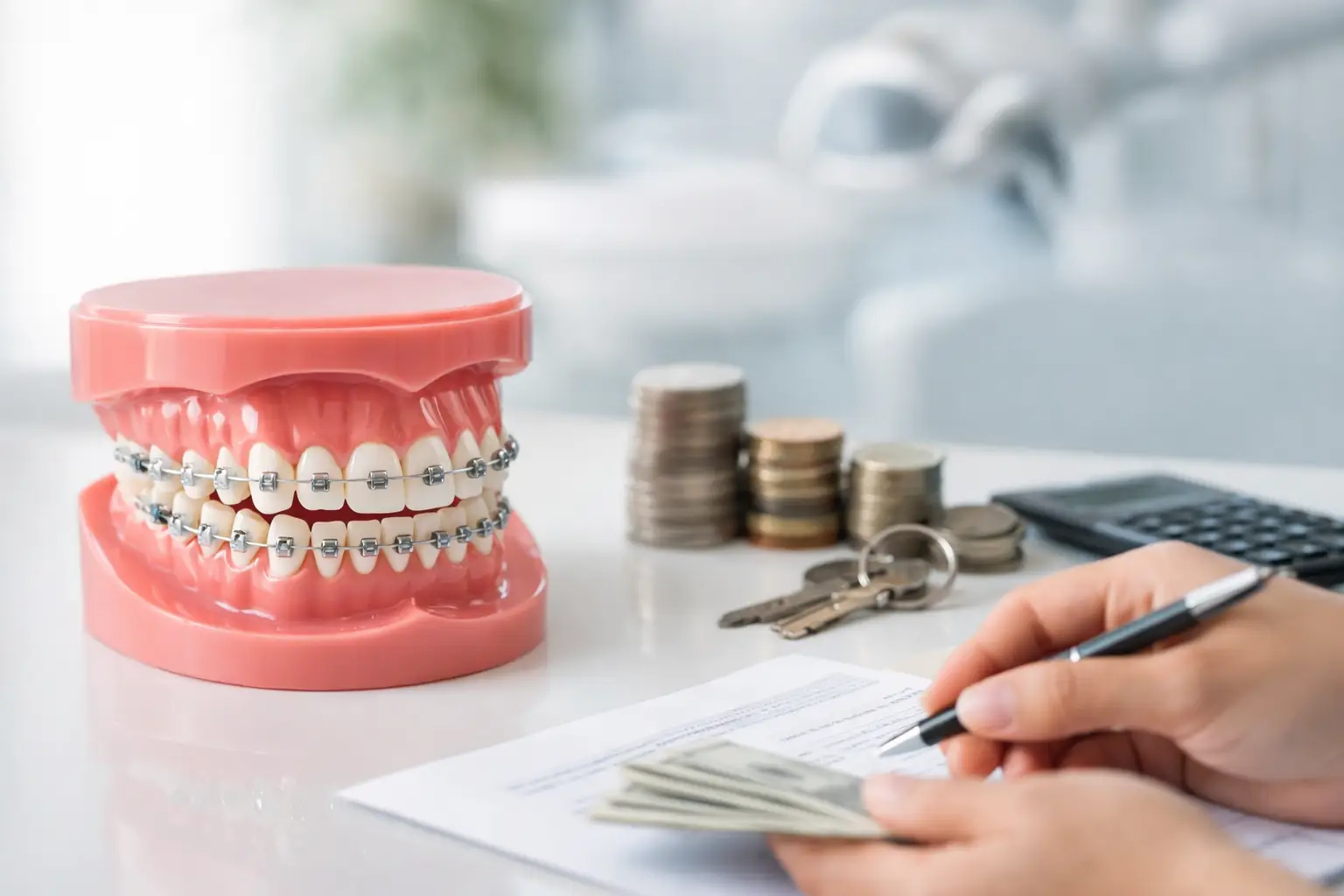
Sticker shock stops a lot of people before treatment even starts. A parent hears the word braces and immediately starts doing math. An adult finally decides to fix crowding or a bite issue, then worries the monthly cost will feel heavier than the treatment itself. The good news is that affordable orthodontic payment plans can make care much more manageable than many families expect.
Orthodontic treatment is a real investment, but it should not feel out of reach by default. The right payment structure can spread costs out in a way that supports your budget, your schedule, and your long-term goals. When a practice is transparent about fees and flexible about payment options, patients are more likely to move forward with confidence instead of delaying care for another year.
What affordable orthodontic payment plans really mean
The phrase sounds simple, but affordability means something different for every household. For one family, it may mean a low down payment and predictable monthly installments. For a working adult, it may mean choosing a treatment timeline and financing option that fits around other expenses like childcare, commuting, or college savings.
A truly affordable payment plan is not just the cheapest monthly number. It is a plan that is easy to understand, realistic to maintain, and built around the full cost of treatment without unpleasant surprises. That includes knowing what is covered, how long payments will last, and whether insurance, flexible spending accounts, or health savings accounts can help lower out-of-pocket costs.
This is where many patients feel relief. Orthodontic care is often more customizable financially than they assumed. Instead of one large upfront fee, many practices offer structured monthly payments that make braces or Invisalign easier to fit into everyday life.
Why payment flexibility matters in orthodontics
Unlike a quick medical visit, orthodontic treatment happens over time. That actually creates an opportunity. Since treatment often lasts months or years depending on the case, the cost can often be spread out in a way that mirrors the treatment process.
That matters for families with growing kids, teens involved in sports and activities, and adults already managing a full calendar and a full set of monthly bills. A flexible arrangement reduces the pressure to choose between needed care and financial stability.
It also gives patients room to choose the treatment that fits them best. Sometimes people assume metal braces are the only option because they worry clear aligners will be financially unrealistic. In reality, the better question is not simply Which option costs less? It is Which option works best for your smile, your bite, your lifestyle, and your budget over time?
What to ask about affordable orthodontic payment plans
If you are comparing providers, the numbers matter, but clarity matters just as much. A consultation should leave you with a clear sense of what treatment will cost and how payments can be handled.
Start by asking whether the quoted fee is comprehensive. In many cases, patients want to know if records, imaging, appliances, office visits, and retainers are included or billed separately. A lower headline price can look appealing until unexpected costs appear later.
You should also ask how the payment timeline works. Some offices offer an initial down payment followed by monthly installments over the course of treatment. Others may offer longer financing periods or outside financing options. Neither approach is automatically better. It depends on whether you prefer to pay more upfront and less each month, or preserve cash flow with a lower starting amount.
It is also smart to ask whether there is flexibility if insurance benefits change, if a child starts treatment earlier than expected, or if more than one family member needs orthodontic care. These are real-life situations, and a patient-centered practice should be prepared to talk through them without making the conversation feel uncomfortable.
The role of insurance, FSA, and HSA funds
Affordable care is often not about one payment method. It is usually a combination. Orthodontic insurance benefits can help reduce the total amount due, although coverage varies widely by plan and age restrictions may apply. Some policies contribute toward braces for children but not adults. Others provide a lifetime orthodontic benefit that applies once.
That is why it helps to work with a team that can explain benefits clearly and help verify what your plan may cover. Even when insurance does not pay for everything, it can lower the remaining balance enough to make monthly payments far more comfortable.
Flexible spending accounts and health savings accounts can also be useful. These funds let many patients use pre-tax dollars for eligible orthodontic expenses, which can improve overall affordability. For households trying to plan carefully, that difference can matter.
Choosing the right treatment, not just the lowest price
Cost matters, but value matters too. Orthodontic treatment is not a commodity. A low advertised price does not always reflect the complexity of your bite, the precision of treatment planning, or the level of support you will receive along the way.
For example, a patient with mild spacing may have a very different treatment plan from someone with crowding, jaw alignment concerns, or airway-related issues. Early interceptive care for a child has different goals than Invisalign for an adult professional. Even if two quotes look similar, the treatment approach and what is included may be very different.
This is one reason specialist care can be worth serious consideration. An orthodontic practice focused on smile and bite correction is evaluating more than tooth movement alone. It is looking at function, facial balance, comfort, and stability. Payment plans should make high-quality care feel manageable, not encourage rushed decisions based only on the smallest number.
How a modern orthodontic office can reduce financial stress
Financial stress often comes from uncertainty. Patients feel better when they know what to expect. A modern, supportive office can make a major difference simply by being direct, organized, and easy to communicate with.
That starts with a thorough consultation and a customized treatment plan. Digital imaging and 3D tools can help patients understand what is happening and why a certain approach is recommended. Once the treatment plan is clear, the financial conversation becomes much easier because it is tied to real needs, not vague estimates.
It also helps when scheduling is convenient and communication is straightforward. If treatment is easy to fit into your life, it feels more worthwhile. That practical side of care matters just as much as the clinical side for many families.
At 1st Impressions Orthodontics, this kind of clarity and flexibility is part of what helps patients feel supported from the start. The goal is not just to create a great smile, but to make the process feel understandable and low-stress.
Red flags to watch for
Not every payment option is as patient-friendly as it first appears. If a plan sounds unusually cheap, ask what is not included. If fees are hard to pin down, that is worth paying attention to. Patients deserve clear guidance, especially when treatment is a long-term commitment.
Be cautious if you feel pressured to sign before you understand the full scope of costs. The right office will answer questions respectfully and explain trade-offs. For instance, a lower monthly payment may mean a longer payment period. A smaller down payment may shift more cost into future installments. That is not necessarily a problem, but it should be explained clearly.
The best financial conversations feel calm and honest. You should leave knowing both the benefits and the limitations of your options.
Affordable orthodontic payment plans for families and adults
Families and adults often approach treatment from different angles, but they usually want the same thing: predictable costs and a plan that fits real life. Parents may be thinking about timing, growth, and how to budget for more than one child over the years. Adults may be balancing treatment with work visibility, social confidence, and a household budget that already has many demands.
That is why personalized planning matters. There is no single best payment structure for every patient. A teenager starting braces, a child needing early orthodontic intervention, and an adult considering clear aligners may all need a different approach.
The most helpful offices recognize that financial comfort is part of patient care. They do not treat it like an awkward side topic. They treat it as one more way to support better outcomes.
A confident smile should feel possible, not postponed forever because the numbers seemed intimidating at first glance. When treatment is explained well and the costs are presented clearly, decisions become easier. Sometimes the first step is not finding the cheapest option. It is finding a team that makes the path forward feel realistic.