
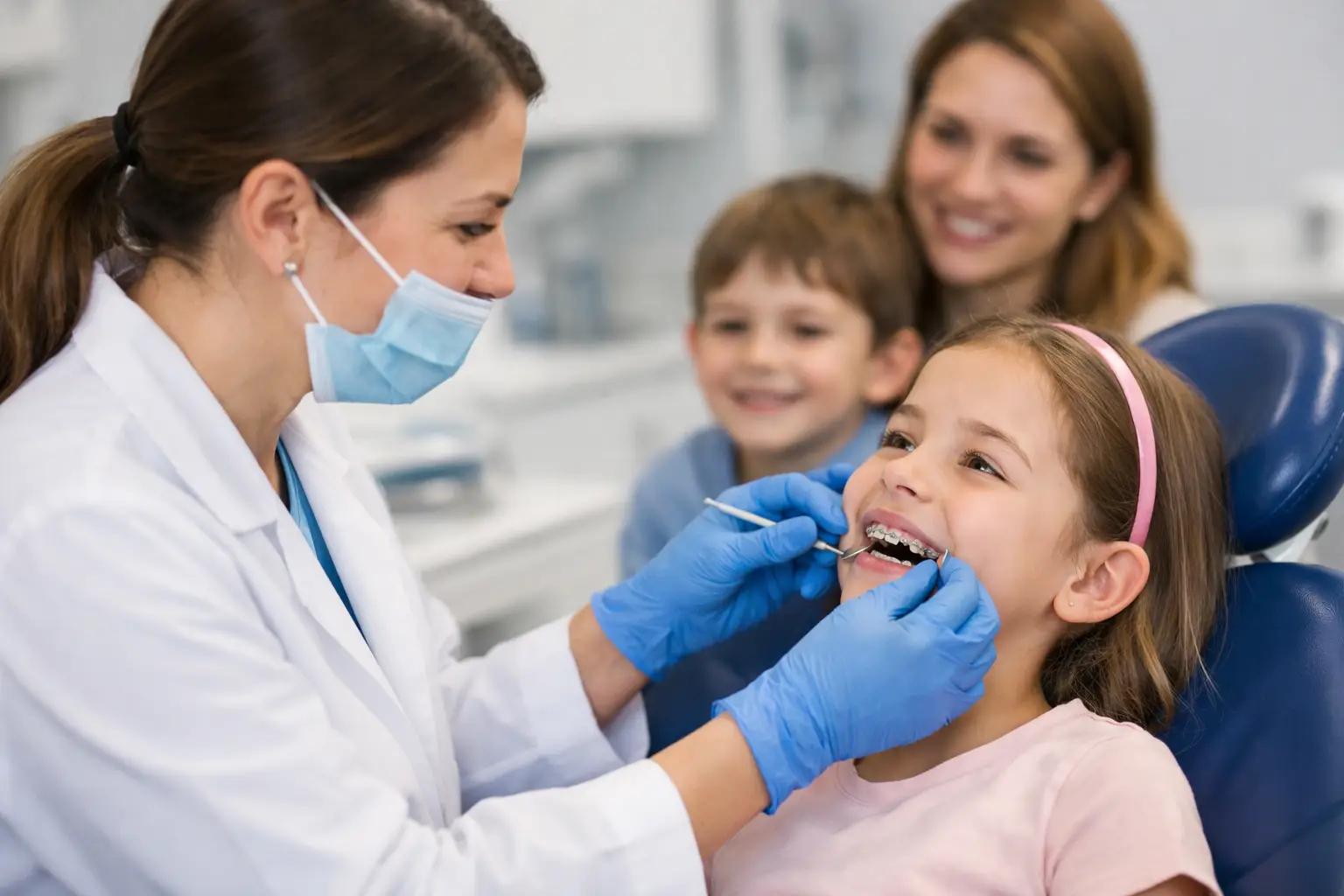
Parents usually notice the obvious things first – crowded teeth, a big gap, or a bite that just looks off in photos. What is easier to miss is how early orthodontic treatment helps long before all the permanent teeth come in. In many children, the goal is not to start full braces early. It is to catch developing problems at the right time, when growth can still be guided in a simpler, more comfortable way.
That idea alone relieves a lot of pressure for families. An early orthodontic evaluation does not automatically mean treatment starts right away. Often, it means getting clear guidance, watching growth carefully, and stepping in only if there is a real advantage to doing so.
How early orthodontic treatment helps at the right stage
Early orthodontic treatment, also called interceptive treatment, typically happens while a child still has a mix of baby teeth and permanent teeth. This phase is often useful when the jaw is developing in a way that could lead to bigger bite problems later.
Because children are still growing, orthodontists can sometimes influence how the upper and lower jaws fit together. That can make a real difference in cases involving crossbites, severe crowding, protruding front teeth, or habits that affect oral development. Trying to correct those same issues after growth is complete may be more complicated, take longer, or require more involved treatment.
This is where timing matters. Starting too early without a clear reason can create treatment fatigue and unnecessary cost. Waiting too long can mean missing the window when growth guidance is most effective. The best approach is individualized, based on what your child’s teeth, bite, and jaw development are actually doing.
Not every child needs treatment early
One of the biggest misconceptions parents hear is that every child should get braces young. That is simply not true. Some children benefit from early care, while others do better with observation and treatment later in the teen years.
A thoughtful orthodontic practice will tell you the difference. If everything is developing normally, monitoring may be the best choice. If there is a developing bite issue, early treatment may prevent a more difficult problem from building over time. Families usually appreciate that kind of clarity because it replaces guesswork with a plan.
Common problems early treatment can improve
When people ask how early orthodontic treatment helps, the answer often comes down to function as much as appearance. A bite that does not fit correctly can affect chewing, speech, wear on the teeth, and even comfort in the jaw.
One common example is a crossbite, where some upper teeth sit inside the lower teeth instead of outside them. Left alone, that can contribute to uneven jaw growth or abnormal tooth wear. Early correction may help the jaws develop more symmetrically.
Another example is significant crowding. In some children, the arches are too narrow or there is simply not enough room for permanent teeth to erupt properly. Early treatment may create space or improve the path of eruption, which can reduce the risk of teeth getting trapped or coming in far out of position.
Children with very prominent upper front teeth can also benefit. Teeth that stick out are more vulnerable to chips or injury during sports, play, or ordinary falls. Bringing those teeth into a safer position earlier can lower that risk.
Thumb sucking, tongue posture issues, and some mouth breathing patterns may also contribute to orthodontic problems. Not every habit needs appliance-based treatment, but when a habit is changing the bite or the shape of the developing arches, early intervention can help limit long-term effects.
How early orthodontic treatment helps future treatment feel easier
Families sometimes worry that early treatment means doing everything twice. In some cases, there are indeed two phases: an early interceptive phase and a later finishing phase once most permanent teeth are in. But that does not mean the first phase was unnecessary.
The purpose of phase one is to solve a specific developmental problem at the best possible time. The second phase, if needed, is often shorter and more focused because the underlying issue has already been improved. For example, guiding jaw growth early may reduce the severity of correction needed later. Creating room for erupting teeth may make comprehensive treatment more efficient.
That said, early treatment is not a guarantee that braces or aligners will never be needed later. It is better to think of it as setting the stage. In the right patient, that can mean fewer complications, more predictable progress, and a less stressful experience overall.
Signs parents should not ignore
Some orthodontic concerns are easy to spot, while others show up in day-to-day habits. A child who bites the roof of the mouth, chews only on one side, struggles to close the lips comfortably, or has teeth that seem to be erupting in unusual positions may need an evaluation sooner rather than later.
Speech concerns, early or late loss of baby teeth, jaw shifting, or frequent biting of the cheeks can also point to bite issues. So can snoring, mouth breathing, or signs of strain in the jaw, although those concerns may involve more than one factor and should be evaluated carefully.
Parents do not need to diagnose the issue on their own. They just need to notice patterns and ask questions. That is often the first step toward preventing a small problem from becoming a larger one.
What treatment may look like
Early orthodontic treatment is not one single appliance or one standard plan. Depending on the problem, treatment may involve expanders, partial braces, space-maintaining appliances, or other tools designed for a specific developmental goal.
The good news for families is that modern orthodontic care is much more precise and patient-friendly than many people expect. Digital imaging and 3D imaging can help orthodontists assess growth, tooth position, and bite relationships with much greater accuracy. That means recommendations are based on what is actually happening, not on guesswork.
Just as important, treatment should be explained in plain language. Parents deserve to know what the issue is, why timing matters, what results are realistic, and whether waiting is a reasonable option. Children also do better when they understand what to expect and feel supported rather than rushed.
Why a specialist evaluation matters
Children grow quickly, and their orthodontic needs can change from one year to the next. An orthodontic specialist is trained to evaluate not only tooth alignment but also jaw development, eruption patterns, and the timing of intervention.
That expertise matters most when the answer is not obvious. Some bite problems look mild at first but worsen as growth continues. Others look dramatic in a certain stage and improve naturally with time. Knowing the difference helps families avoid both overtreatment and missed opportunities.
For parents in Westminster and nearby communities, that kind of guidance can make the whole process feel more manageable. A good evaluation should leave you with a clear understanding of whether your child needs treatment now, later, or simply periodic observation.
The emotional side matters too
Orthodontic decisions are not only clinical. They affect school schedules, family routines, sports, confidence, and how a child feels walking into appointments. That is why the experience around treatment matters almost as much as the treatment itself.
When care is personalized, children tend to be less anxious and parents feel more confident about moving forward. Flexible scheduling, clear communication, and a judgment-free approach can take a process that feels intimidating and make it feel doable. At 1st Impressions Orthodontics, that combination of precision and compassionate care is a big part of helping families feel supported from the first visit.
If you are wondering whether your child’s bite is just a phase or something worth checking, trust that instinct. The best time to ask is before a problem becomes harder to fix, and sometimes the most helpful outcome is simply peace of mind.