
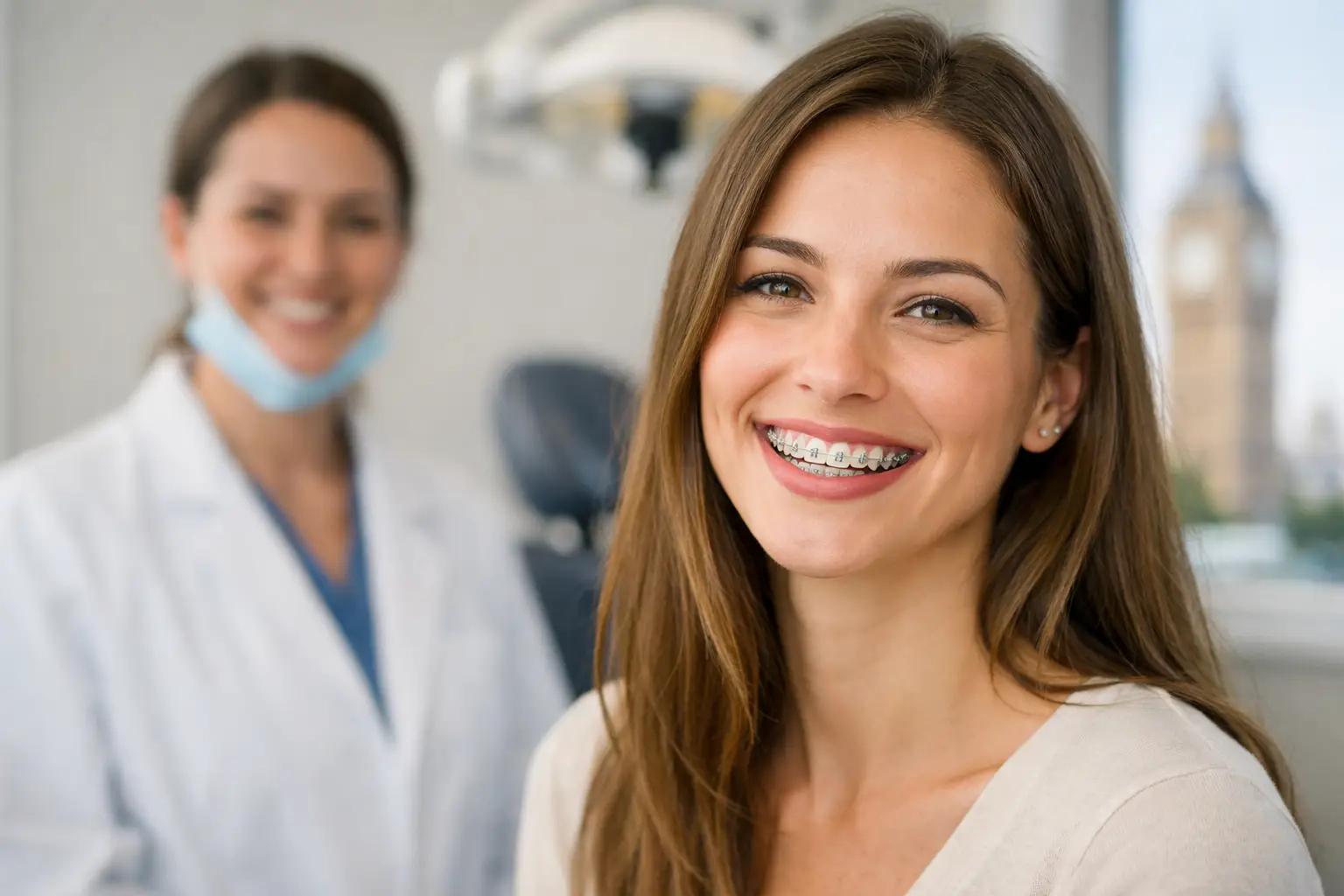
A smile can affect far more than a photo. When teeth feel crowded, a bite makes chewing uncomfortable, or a child avoids smiling at school, orthodontic care can bring meaningful relief and confidence. Braces treatment Westminster patients choose today is more comfortable, more precise, and more personalized than many people expect.
For children, teens, and adults, braces are not a one-size-fits-all decision. The right approach depends on how the teeth fit together, how the jaws are developing, daily routines, and the goals that matter most to the patient. A thoughtful orthodontic consultation turns uncertainty into a clear plan.
What Braces Can Correct
Braces use brackets and a carefully planned series of wires to guide teeth into healthier positions over time. While straighter teeth are a visible benefit, treatment often focuses just as much on the bite. When upper and lower teeth do not meet properly, it can affect chewing, speech, tooth wear, and long-term oral health.
Braces may be recommended for crowding, spacing, teeth that sit too far forward or back, crossbites, overbites, underbites, and open bites. Some patients also have teeth that are rotated, trapped beneath the gums, or unable to erupt into the right place without orthodontic guidance.
The details matter. Two people may both describe their concern as “crooked teeth,” yet one may need simple alignment while the other needs a plan that also accounts for jaw growth or a more complex bite. That is why a specialist evaluation is the best place to start.
Why an Orthodontic Evaluation Comes First
An orthodontic consultation should feel informative, not pressured. The first visit is an opportunity to understand what is happening beneath the surface and what treatment could realistically achieve. Modern digital imaging and 3D imaging help the orthodontic team evaluate tooth positions, roots, jaw relationships, and developing teeth with a high level of precision.
Patients should leave with clear guidance about whether treatment is needed now, whether it makes sense to wait, and which option is likely to fit their needs. For a child, monitoring growth may be the right choice. For a busy adult, clear braces or Invisalign aligners may be worth discussing alongside traditional metal braces. The best choice is not always the least visible option. It is the option that can safely and predictably address the individual’s orthodontic needs.
Early Treatment for Growing Smiles
The American Association of Orthodontists recommends an initial orthodontic checkup around age 7. That does not mean every 7-year-old needs braces. Many do not. At this age, though, an orthodontist can identify developing crowding, jaw discrepancies, harmful oral habits, or problems with erupting teeth before they become more difficult to manage.
Early interceptive treatment may create room for permanent teeth, guide jaw development, or reduce the severity of a future issue. In other cases, the most responsible recommendation is simply periodic observation until the timing is right.
Types of Braces and How to Choose
Modern braces offer reliable control for a wide range of orthodontic concerns. The decision between options should balance clinical needs, appearance preferences, comfort, and the ability to keep treatment on track.
Metal braces remain a popular and effective option. Today’s brackets are smaller and smoother than many adults remember, and they give the orthodontist precise control over complex tooth movements. They are especially practical for patients who want a dependable option without the responsibility of removing and reinserting aligners.
Clear braces use tooth-colored or translucent brackets to make treatment less noticeable. They can be an appealing choice for teens and adults who want the effectiveness of braces with a more subtle look. Like metal braces, they stay in place full time, so progress does not rely on remembering to wear them.
Clear aligners, including Invisalign treatment, are a strong alternative for many patients. They are removable for meals and brushing, which can make daily routines easier. However, aligners need consistent wear, usually 20 to 22 hours per day. For patients who know they may frequently forget to put them back in, braces can be the more predictable fit.
What Daily Life With Braces Is Really Like
The first few days after braces are placed can involve pressure or tenderness as the teeth begin responding to the new forces. This is normal and usually manageable with soft foods, orthodontic wax for an irritating spot, and the comfort measures recommended by your care team. Most patients adjust quickly.
Food choices do require some attention. Hard, sticky, and chewy foods can damage brackets or wires, leading to unexpected repairs and possibly slowing treatment. Crunchy foods such as apples and carrots are often easiest when cut into smaller pieces. Patients are typically asked to avoid chewing ice, popcorn kernels, hard candy, caramel, and gum that can pull on brackets.
Oral hygiene also deserves extra care. Food and plaque can collect around brackets, so brushing thoroughly after meals and cleaning between teeth each day helps protect enamel and gum health. A small interdental brush, floss threader, or water flosser may make the routine easier. Clean teeth and healthy gums support a better treatment experience and a more polished result when braces come off.
Handling a Loose Bracket or Poking Wire
Most orthodontic concerns are not emergencies, but they should still be addressed promptly. A loose bracket, poking wire, or lost elastic can usually be managed with clear instructions from the orthodontic office. Orthodontic wax can temporarily cover an irritating wire, and patients should avoid cutting or adjusting wires at home unless their care team specifically directs them to do so.
Call the office if there is significant pain, swelling, an injury to the mouth or teeth, or a damaged appliance. Knowing whom to contact and receiving judgment-free guidance can make a stressful moment feel much more manageable.
How Long Does Braces Treatment Take?
Treatment time varies because every smile starts in a different place. Many comprehensive braces cases take roughly 18 to 24 months, though some are shorter and more complex cases can take longer. Factors include the type of bite correction needed, the amount of tooth movement, growth patterns, appointment attendance, and following care instructions.
For patients using elastics, wearing them exactly as directed is especially important. These small bands often play a major role in correcting how the upper and lower teeth meet. Skipping them can extend treatment, even when the braces themselves are working well.
Regular visits allow the orthodontic team to make planned adjustments, check progress, and address concerns early. Families and working adults often value appointment options that respect school, work, and the realities of a full schedule. Consistent care does not have to feel disruptive when the plan is organized around the patient.
The Day Braces Come Off Is Not the End
After the braces are removed, retainers protect the result. Teeth have a natural tendency to shift over time, particularly in the months after active treatment. Retainers hold teeth in their corrected positions while the surrounding tissues adapt.
Some retainers are removable and worn as instructed, while others are fixed discreetly behind certain teeth. The right retention plan depends on the case and lifestyle. Wearing retainers faithfully is one of the simplest ways to protect the time, effort, and investment that went into creating a healthier smile.
Questions Worth Asking at Your Consultation
A good consultation invites honest questions. Ask what problems the treatment is designed to correct, whether braces or aligners are both appropriate, and what trade-offs come with each option. It is also helpful to ask about the expected timeline, visit schedule, hygiene guidance, what happens if an appliance breaks, and how fees and payment options will be explained.
Clear answers are part of quality orthodontic care. You should understand the recommendation well enough to feel confident, not rushed into a decision.
For Westminster families and adults who want care that feels precise, supportive, and practical, 1st Impressions Orthodontics can help make the next step feel approachable. A personalized consultation is a chance to ask every question, see what is possible, and choose treatment with confidence.