
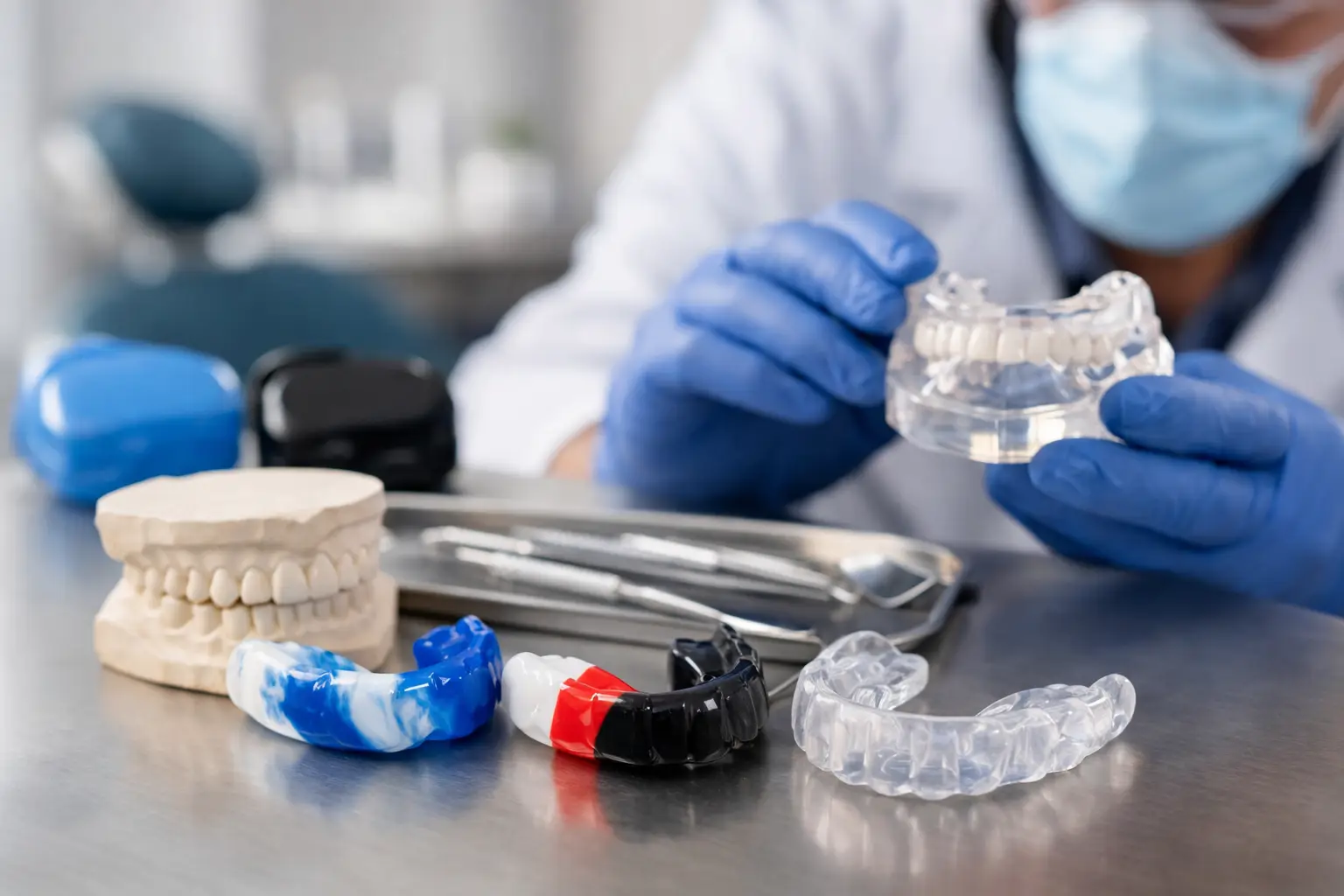
A mouth guard that gets left in the gym bag is not protecting anyone. That is usually the problem with store-bought options – they feel bulky, slip during play, make talking harder, and can be distracting when an athlete is already trying to focus. Working with a custom sports mouth guard dentist gives you something very different: protection made to fit your teeth, your bite, and the way you actually play.
For kids in rec leagues, teens in school sports, and adults who still compete on weekends, comfort matters more than people think. If a mouth guard feels awkward, athletes chew on it, adjust it constantly, or stop wearing it altogether. A custom fit changes that experience. It is designed to stay in place, protect more predictably, and feel natural enough that wearing it becomes part of the routine instead of a battle.
Why a custom sports mouth guard dentist makes a difference
A custom sports mouth guard is not just a nicer version of a boil-and-bite product. It is made from impressions or digital scans of your teeth, so the fit is much more precise. That precision affects comfort, but it also affects retention and coverage.
When a mouth guard fits correctly, it is less likely to shift on impact. It can better cushion the teeth, lips, and soft tissues, and it may help reduce the risk of dental injuries such as chipped or broken teeth. For athletes with braces, that protection becomes even more important because metal brackets and wires can cause added injury to the inside of the mouth during contact.
There is also the breathing and speaking factor. No mouth guard makes conversation effortless in the middle of a game, but custom options are often easier to wear because they are shaped for the individual rather than trimmed down from a generic tray. That makes a real difference for athletes who need to call plays, respond quickly, or simply avoid feeling like they are gagging through practice.
Who should consider a custom sports mouth guard
The short answer is anyone playing a sport with a real chance of contact, collision, or falls. Football, hockey, lacrosse, wrestling, basketball, baseball, softball, soccer, and mountain biking all come to mind. So do gymnastics, martial arts, and skate sports. Dental injuries are not limited to the most obvious high-contact sports.
Parents sometimes assume a child only needs a mouth guard for tackle football or hockey. In reality, elbows, balls, bats, and hard surfaces cause plenty of injuries in sports that seem less aggressive at first glance. If there is any realistic chance of impact to the mouth or jaw, it is worth discussing.
Adults often put this off even more than parents do. They may think a league is casual enough that serious protection is unnecessary. But one bad collision during a weekend game can lead to a cracked tooth, emergency care, and expensive restorative treatment. Prevention is usually much simpler than repair.
Custom sports mouth guard dentist options for braces
This is one area where custom guidance really matters. Athletes in orthodontic treatment have changing tooth positions, brackets, and wires to account for. A mouth guard for braces should do more than cover the teeth – it needs to provide room and protection without interfering with treatment.
That is why a one-size-fits-all product can be frustrating for orthodontic patients. It may feel too tight in one spot and too loose in another. It may not accommodate movement well, and it can become uncomfortable quickly. A dentist or orthodontic specialist can recommend the right design based on whether the patient has full braces, partial treatment, or other appliances.
There is a practical trade-off here. Because teeth move during orthodontic treatment, a mouth guard may need to be updated periodically to keep fitting well. That can feel inconvenient, but it is usually far better than trying to force an old or poorly fitting guard to do the job.
What the process looks like
Most patients are pleasantly surprised by how straightforward this is. The first step is usually an exam or evaluation to look at the teeth, bite, and any orthodontic appliances. From there, the mouth guard is designed using impressions or digital scans.
That digital approach can be especially helpful for patients who dislike traditional impressions. It is more comfortable for many people and helps create a precise fit. Once the mouth guard is fabricated, the patient comes back to make sure it seats correctly, feels comfortable, and provides the right coverage.
The final result should feel secure without requiring constant jaw clenching to keep it in place. It should be snug, but not painfully tight. If it feels bulky or unstable, it may need an adjustment. A good fit is not something patients should have to guess about.
What makes custom protection worth it
The biggest benefit is consistency. A custom guard is more likely to be worn because it feels better. That sounds simple, but it is actually the deciding factor for many athletes.
Beyond comfort, the fit can help distribute impact forces more effectively than a loose over-the-counter option. No mouth guard can prevent every injury, and it should never be described as a guarantee. But better fit generally means better function. That can translate to more reliable protection for teeth and surrounding tissues.
There is also the convenience of getting advice tailored to the athlete. A growing child, a teen with braces, and an adult with past dental work may not need the same type of mouth guard. Someone with jaw discomfort or TMJ concerns may also need a more thoughtful approach. This is where personalized care matters.
How long does a custom sports mouth guard last?
It depends on age, growth, sports intensity, and habits. A child who is still losing teeth or growing quickly may need replacement more often than an adult with a stable bite. An athlete who chews on the guard constantly may wear through it faster too.
A mouth guard should be checked regularly for tears, thinning, loose fit, or distortion. If it no longer fits properly, it is time to replace it. The same is true after major dental work or orthodontic changes. Protection only works when the appliance still matches the mouth it was made for.
Cleaning matters as well. Rinse it after use, clean it as directed, and store it in a protective ventilated case. Heat can warp some materials, so leaving it in a hot car is a bad idea. A small amount of care goes a long way toward keeping the fit and material in good shape.
Choosing the right provider
If you are looking for a custom sports mouth guard dentist, experience with bite alignment and tooth movement is valuable. That is especially true for patients in braces or Invisalign treatment, or for those with jaw issues and previous dental trauma.
You want clear guidance, not guesswork. A good provider should explain whether a custom guard is recommended for your sport, how it should fit, how often it may need to be replaced, and what changes to watch for over time. The process should feel supportive and simple, not overly complicated.
For families in Westminster and nearby communities, it can be helpful to choose a practice that already understands orthodontic treatment and active schedules. At 1st Impressions Orthodontics, custom sports mouth guards fit naturally into the same patient-first approach used across treatment – precise planning, modern technology, and care designed to make things easier on busy families.
Is a store-bought mouth guard ever enough?
Sometimes a store-bought mouth guard is better than wearing nothing at all. That is the honest answer. If an athlete needs immediate protection and has no custom option yet, using a ready-made guard is still preferable to going without.
But better than nothing is not the same as ideal. Generic guards are more likely to feel bulky, loosen over time, and get pushed aside because they are uncomfortable. For athletes who play regularly, especially those in contact sports or orthodontic treatment, custom protection is usually the better long-term choice.
A well-made mouth guard should support confidence, not create one more thing to worry about before practice. When it fits right, athletes can focus on the game, parents can feel more reassured, and everyone spends less time dealing with preventable dental injuries. If sports are part of your life, custom protection is one of those small decisions that can make a very big difference.