
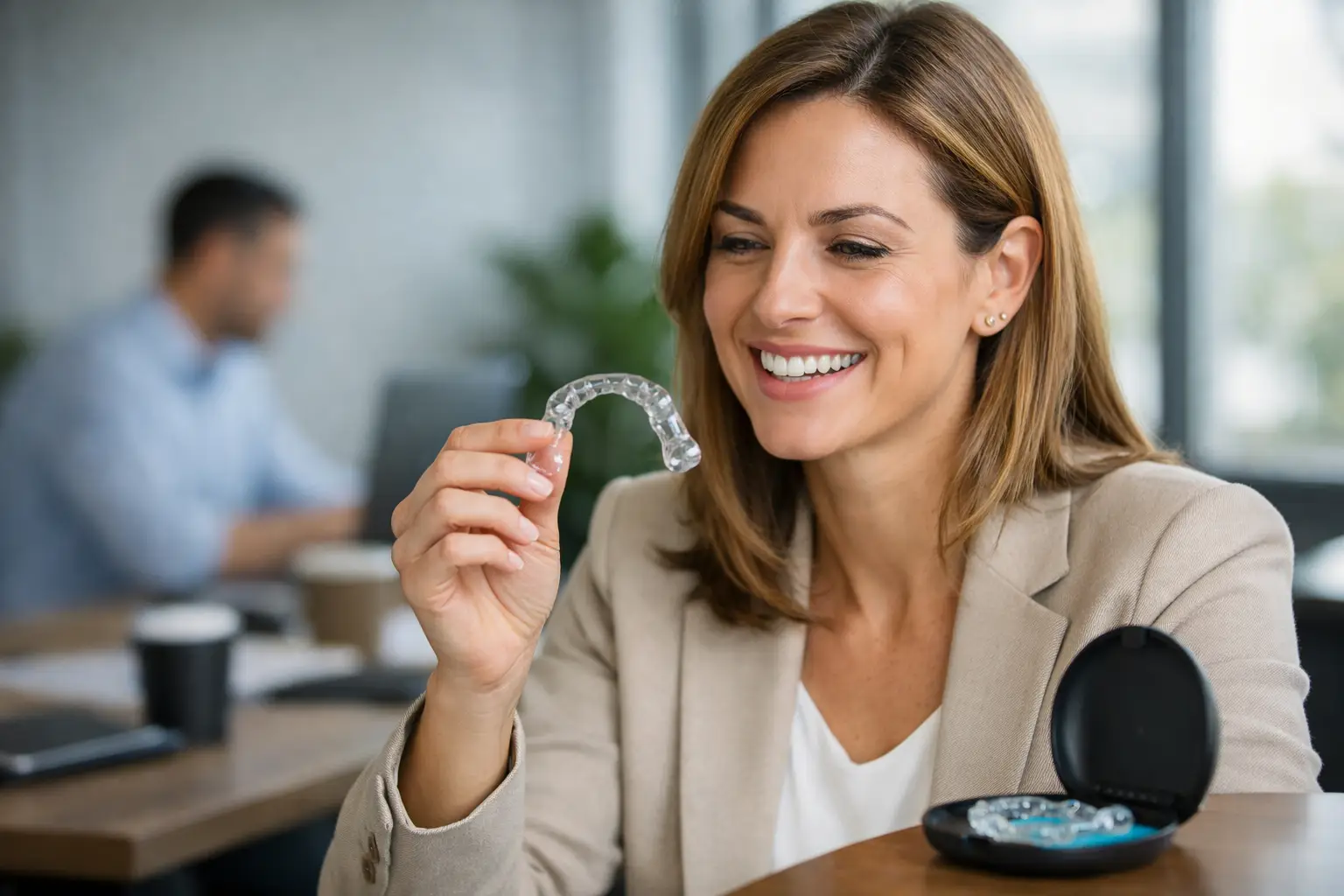
Your calendar is already full. Between work deadlines, school drop-offs, meetings, errands, and the occasional attempt at a social life, the idea of adding orthodontic treatment can feel unrealistic. That is exactly why so many people ask how Invisalign fits busy adults. The short answer is that it can fit very well – but only when the treatment plan is built around real life, not an ideal schedule that nobody actually keeps.
Why how Invisalign fits busy adults comes down to routine
Invisalign tends to work best for adults because it respects the pace of adult life. The aligners are clear, removable, and designed to gradually move teeth without the brackets and wires many people picture when they think about orthodontics. For professionals, parents, and anyone constantly on the go, that changes the day-to-day experience in a meaningful way.
The biggest advantage is not that Invisalign is invisible. It is that the treatment can blend into routines you already have. You wear the aligners for most of the day, take them out to eat and drink anything besides water, brush, and put them back in. Once that becomes habit, it usually feels less disruptive than people expect.
That said, removable treatment also requires consistency. If your schedule is busy and unpredictable, Invisalign can still be a strong option, but only if you are prepared to wear the aligners as instructed. Convenience helps, but commitment is what drives results.
Fewer interruptions to work and family life
A lot of adults delay orthodontic care because they assume it will mean frequent, inconvenient visits. Invisalign often reduces that concern. Check-ins are typically efficient, and depending on your treatment plan, they may be spaced out more than people expect.
For busy adults, that matters. Less time in the office can mean less time rearranging meetings, pulling kids out early, or trying to make a lunch break stretch too far. Practices that use digital imaging and advanced treatment planning can often make the process even more streamlined, because progress is tracked with precision from the beginning.
The experience is also usually gentler in everyday life. There are no food restrictions in the way traditional braces require, since you remove the aligners before meals. If you have a client lunch, dinner out with family, or a weekend event, you do not have to think about avoiding certain foods or worrying about something getting stuck in brackets.
How Invisalign fits busy adults at work
For many adults, the workday is where orthodontic treatment feels most complicated. You may be talking with clients, leading meetings, interviewing, teaching, or spending hours on video calls. Appearance matters to many people, but comfort and practicality matter just as much.
Invisalign appeals to working adults because it is discreet. Most people will not notice the aligners unless they are looking closely. That can make treatment feel more comfortable for adults who have put it off for years because they did not want a more noticeable option.
There is also a practical side. If your job requires a lot of speaking, it is normal to have a short adjustment period when switching to aligners. Most adults adapt quickly, often within a few days. If you know you have a major presentation or event coming up, your orthodontist can help you think through timing so the transition feels easier.
The key is planning ahead. Keep a toothbrush and aligner case with you. If your day includes back-to-back appointments, it helps to have a simple system so you are not wrapping aligners in a napkin at lunch and hoping for the best.
It works well for adults who want flexibility, not shortcuts
One reason Invisalign fits many adult lifestyles is that it offers flexibility without feeling casual. That distinction matters. Orthodontic treatment still needs to be carefully supervised, and tooth movement is not something to rush or guess your way through.
A personalized treatment plan makes the difference. Some adults need minor cosmetic alignment, while others have crowding, spacing, or bite concerns that require more comprehensive correction. Invisalign can address a wide range of issues, but it is not one-size-fits-all. A proper evaluation helps determine whether it is the right tool for your goals and whether another option may be more predictable for your case.
That is why working with an orthodontic specialist is so valuable. Your treatment should fit your schedule, but it also needs to fit your bite, your dental health, and the kind of movement your teeth actually need.
The trade-offs busy adults should know
Convenience is real, but so are the responsibilities. Invisalign is often easier to live with than braces for adults, but it does ask more of you in certain ways.
You need to wear the aligners consistently, usually around 20 to 22 hours a day. If you frequently forget to put them back in after coffee, lunch, or snacks, treatment can slow down. Adults with packed days sometimes do better with Invisalign because they are motivated and organized. Others realize they would rather have a fixed appliance that does not depend on daily decisions.
There is also a hygiene factor. Since aligners sit closely over the teeth, it is important to brush before putting them back in. That can feel easy at home and less convenient when you are commuting, traveling, or moving between meetings. It is manageable, but it does require intention.
Some adults also experience temporary pressure when switching to a new set of aligners. That is normal and usually short-lived, but if you are already stressed and low on sleep, even small discomforts can feel bigger. The good news is that most people find the routine becomes second nature fairly quickly.
Travel, events, and social life
Busy adults are not just working. They are attending weddings, flying for business, meeting friends for dinner, and trying to keep family life moving. Invisalign generally fits those moments well because it does not force your life to stop.
If you travel often, aligners are usually simple to pack and manage. Bring your current trays, your next set if instructed, and the basics for cleaning. If you have a special event, the clear appearance of Invisalign can feel like a major benefit in photos and in person.
The social side is often where adults feel most relieved. You can remove the aligners for meals, then place them back in afterward. There is no need to navigate a restaurant menu through the lens of orthodontic restrictions. You still need discipline, of course, but the treatment is usually easier to live with in public settings than people expect.
How a supportive orthodontic team makes treatment easier
When people think about orthodontics, they often focus on the appliance itself. In reality, the experience depends just as much on the team guiding your care. Busy adults do best when they have clear instructions, realistic timelines, flexible scheduling, and a treatment plan that reflects their actual life.
That is where a modern orthodontic practice can make a big difference. Digital scans can replace messy impressions. 3D imaging can improve precision. Clear communication can help you understand what to expect before treatment even begins. If you are already juggling a lot, that kind of structure reduces stress.
At 1st Impressions Orthodontics, this patient-first approach matters because adults are not looking for more complication. They want expert care that feels organized, respectful, and manageable from consultation through retention.
When Invisalign is a great fit – and when it may not be
Invisalign is often a great fit for adults who want a discreet option, can stay consistent with wear time, and value flexibility in meals, work, and social settings. It can also be especially appealing for adults who have been thinking about treatment for years and finally want an option that feels compatible with their lifestyle.
Still, it may not be ideal for everyone. If your schedule makes it hard to remember the aligners, if you snack frequently throughout the day, or if your orthodontic needs are more complex, another treatment approach may be worth discussing. The right recommendation should come from a careful exam, not a generic promise.
For many adults in Westminster and nearby communities, the first step is simply getting answers. Once you understand the timeline, the expected routine, and the goals of treatment, the whole process tends to feel much more doable than it did from a distance.
A busy life does not mean you have to put your smile on hold. It just means your orthodontic care should be built to support the way you already live.