
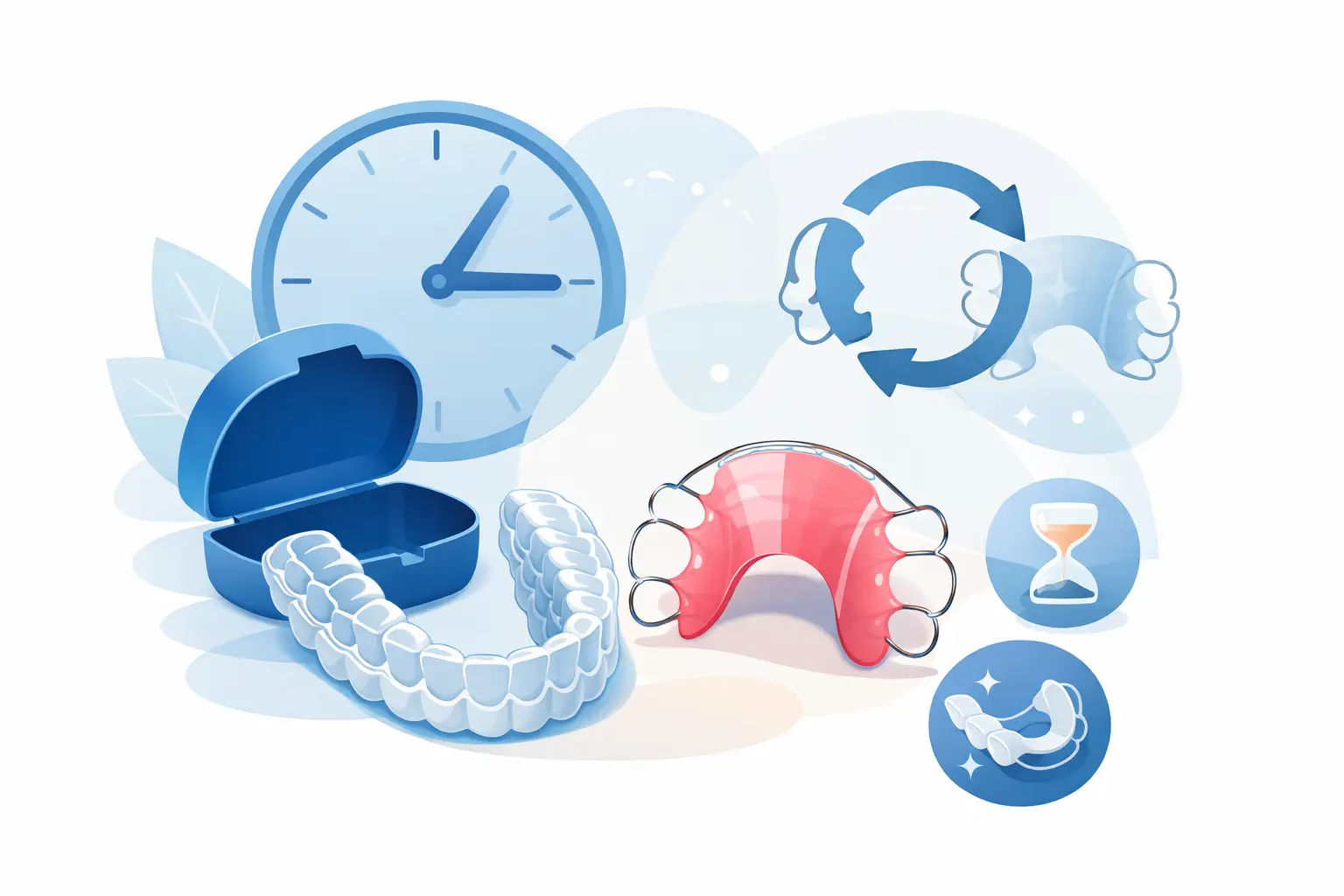
That first moment when your retainer feels tighter than usual can be unsettling. If you are asking how often should retainers be replaced, the short answer is that it depends on the type of retainer, how well it has been cared for, and whether your teeth or bite have changed over time.
Most retainers are not meant to last forever, even with excellent care. Some can hold up for many years, while others may need replacement sooner because of wear, damage, or fit issues. Knowing what is normal can help you protect your smile and avoid the frustration of teeth shifting after orthodontic treatment.
How often should retainers be replaced in real life?
There is no single replacement schedule that fits every patient. In many cases, clear removable retainers last anywhere from six months to a few years. Hawley retainers, which use acrylic and wire, often last longer when they are cleaned properly and handled carefully. Fixed retainers bonded behind the teeth can also last for years, but they still need monitoring because adhesive can loosen or wires can bend.
What matters most is not the calendar alone. A retainer should be replaced when it no longer fits correctly, no longer holds teeth in position effectively, or shows enough wear that it could stop doing its job. A retainer that looks mostly fine but feels different can still be a problem.
For many patients, the better question is not just how often should retainers be replaced, but how often should they be checked. Routine orthodontic visits make it easier to spot early wear before it turns into shifting or discomfort.
The type of retainer makes a big difference
Clear plastic retainers
Clear retainers are popular because they are discreet and easy to wear. They fit snugly over the teeth and are often similar in appearance to clear aligners. The trade-off is that they can crack, warp, or become cloudy over time. Heat exposure, grinding, and frequent removal can shorten their lifespan.
If you wear a clear retainer every night as directed, it may gradually become looser or show small stress lines. Once that happens, replacement may be the safest option. Waiting too long can mean the retainer stops holding your teeth as precisely as it should.
Hawley retainers
Hawley retainers have a plastic base with a metal wire across the front teeth. They are often more durable than clear retainers and can sometimes be adjusted instead of replaced right away. That said, they are not indestructible. The wire can bend, the acrylic can crack, and a poor fit can still develop over time.
One advantage of Hawley retainers is that minor issues may be repairable. Even so, if the appliance no longer sits properly or feels unstable, replacement may still be needed.
Fixed retainers
Fixed retainers are bonded behind the teeth, usually on the lower front teeth and sometimes on the upper front teeth. Because they stay in place, they remove the risk of forgetting to wear them. They also need daily care and regular monitoring.
A fixed retainer may need replacement if the wire breaks, the bonding comes loose, or plaque buildup makes hygiene difficult. Sometimes just one part detaches, and patients do not notice right away. That can allow teeth to shift unevenly, which is why follow-up care matters.
Signs your retainer may need to be replaced
Sometimes the need for a new retainer is obvious. Other times, the signs are subtle.
A crack, chip, or broken wire is a clear reason to call your orthodontist. So is a retainer that has become noticeably loose, overly tight, or painful to insert. Those changes can mean the appliance is distorted or that your teeth have already started to move.
Discoloration, odor, and rough spots can also matter. A retainer that cannot be cleaned thoroughly may be harboring bacteria or mineral buildup. That does not always mean immediate replacement, but it does mean it should be evaluated.
Another common sign is speech or bite changes. If your retainer suddenly feels as though it hits differently when you close your teeth together, something may have shifted. Even a small change is worth checking, especially if you recently missed wear time.
Why retainers wear out sooner for some patients
Retainer lifespan is affected by daily habits more than many people realize. Grinding or clenching teeth can place extra stress on removable and fixed retainers. Children and teens may be more likely to misplace or accidentally damage retainers in napkins, lunch trays, backpacks, or pockets. Adults with busy schedules may leave retainers in hot cars or clean them with products that are too harsh.
Cleaning habits matter too. Scrubbing with abrasive toothpaste can scratch clear plastic. Hot water can warp removable retainers. Skipping cleaning allows buildup that can weaken materials or make the retainer less pleasant to wear.
There is also a normal aging factor. Plastics fatigue. Wires can shift slightly. Adhesives do not last forever. Even if you do everything right, replacement is sometimes simply part of maintaining your orthodontic result.
What happens if you keep wearing an old retainer?
The biggest risk is tooth movement. A worn retainer may feel familiar, but that does not mean it is still working well. If it has stretched out, cracked, or lost precision, it may no longer hold your teeth exactly where they should be.
There is also the comfort issue. Damaged edges can irritate the gums or cheeks. A broken fixed retainer can trap food and plaque, making hygiene harder. If a retainer fits incorrectly, it may even create pressure in the wrong places.
Trying to force a retainer that no longer fits is not a good fix. If your teeth have shifted, forcing the appliance can cause pain and potentially damage the retainer. It is better to have the fit checked and get clear guidance on the safest next step.
How to make your retainer last longer
A few simple habits can extend the life of your retainer and protect your treatment results. Store removable retainers in a proper case whenever they are not in your mouth. Keep them away from pets, heat, and folded napkins. Clean them with orthodontist-approved methods, and avoid boiling water or harsh chemicals.
If you have a fixed retainer, be consistent with brushing, flossing, and professional cleanings. Special flossing tools can help clean around the wire more effectively. It is also wise to avoid biting directly into very hard foods if your orthodontist has warned that they could damage bonded appliances.
Most importantly, do not skip check-ins if something feels off. A small issue is often easier and less stressful to address than a larger one later.
When should you call your orthodontist?
Call if your retainer cracks, feels tight after fitting comfortably before, feels loose, smells bad even after cleaning, or causes irritation. You should also reach out if you have stopped wearing it for a while and are unsure whether it is still safe to use.
This is especially important after braces or Invisalign, when retention is doing the quiet but essential work of protecting your finished result. Teeth naturally want to shift over time. Retainers are what help keep all that progress in place.
At a practice like 1st Impressions Orthodontics, retainer concerns are treated as part of long-term smile care, not as an afterthought. That matters because the right answer is not always simply replacing the appliance. Sometimes it needs adjustment, repair, or a closer look at whether the teeth have changed.
A practical timeline to keep in mind
If you want a general rule, think in terms of condition rather than age. Clear retainers often need more frequent replacement than Hawley or fixed retainers. Hawley and fixed retainers may last longer, but they still need monitoring and can fail unexpectedly.
For many patients, annual or periodic retainer evaluations are a smart habit, even if there are no obvious problems. That is particularly true for growing children, teens who may be inconsistent with wear, and adults who have noticed minor crowding returning with age.
A retainer is a small appliance with a very big job. If it feels different, looks worn, or no longer fits the way it used to, trust that signal and get it checked. Protecting your smile is usually much easier when you act early.