
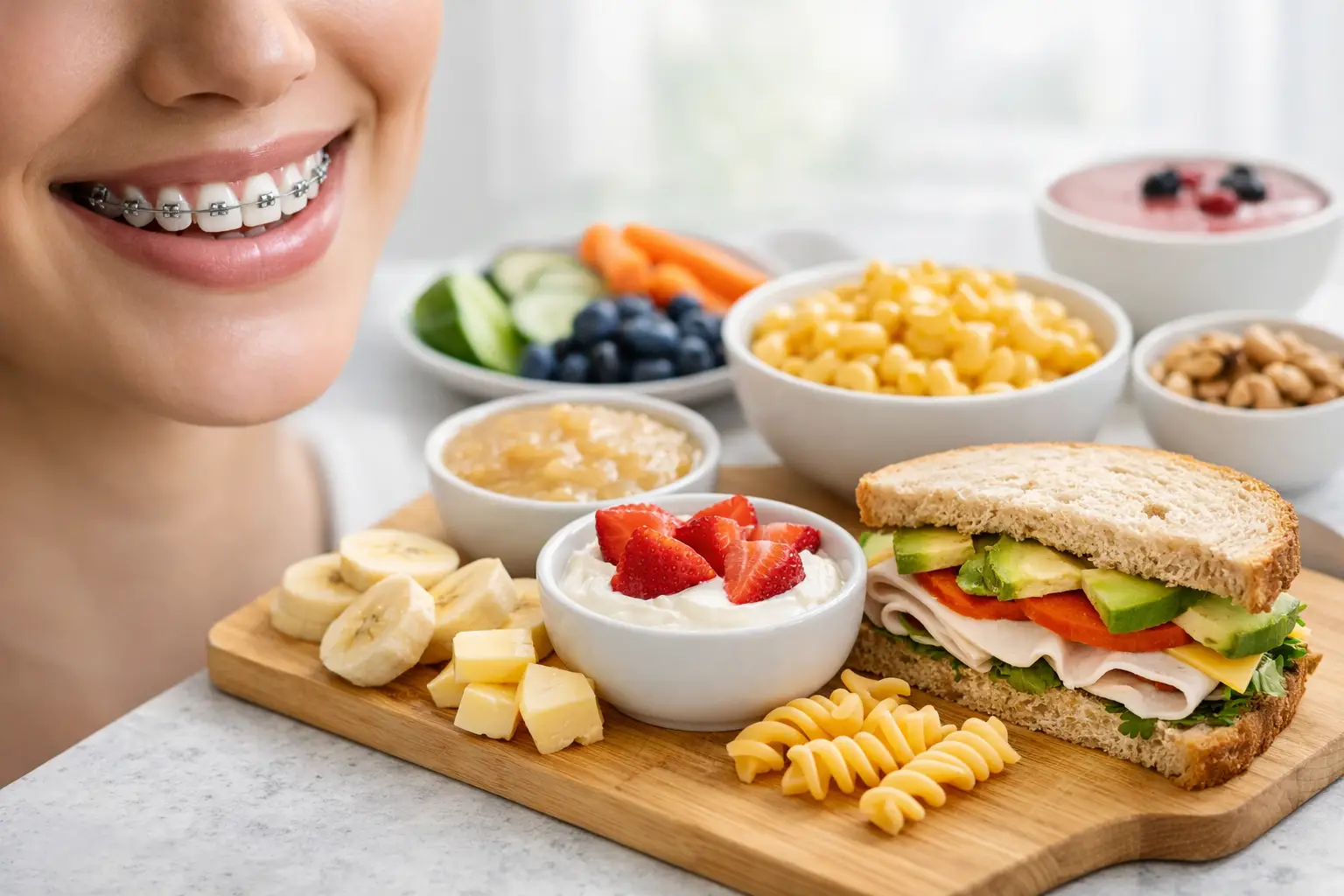
The first few days after getting braces – or after an adjustment – can make even a favorite sandwich feel like a big decision. A thoughtful best braces foods list takes the guesswork out of meals, helping you choose foods that are comfortable to chew and less likely to damage brackets or wires.
You do not need to live on yogurt and mashed potatoes throughout treatment. The goal is simply to make smart swaps: choose softer textures, cut firmer foods into small pieces, and avoid biting directly into foods that can bend wires, loosen brackets, or get stuck around your braces. With a little planning, braces-friendly meals can still be filling, flavorful, and easy for busy school and work schedules.
Best Braces Foods List for Comfortable Eating
The most comfortable foods tend to be soft, moist, and easy to chew. They are especially helpful during the first week of braces treatment and for a day or two after routine adjustments, when teeth may feel tender.
Soft breakfasts that do not feel boring
Breakfast can be simple without being repetitive. Scrambled eggs, oatmeal, cream of wheat, Greek yogurt, cottage cheese, smoothies, pancakes, and soft muffins are all braces-friendly choices. Add soft fruit such as bananas, berries, peaches, or melon for more flavor and nutrition.
If you make a smoothie, skip hard add-ins such as nuts, seeds, or crunchy granola. A spoonful of nut butter is usually fine when blended smoothly, but sticky nut butter should not be eaten in large globs because it can cling to brackets and be harder to clean away.
Easy lunches and dinners
For lunch or dinner, think tender proteins, cooked vegetables, and grains that do not require a lot of biting force. Pasta, rice bowls, soft tacos with a flour tortilla, macaroni and cheese, soups, chili, baked potatoes, and casseroles are dependable options.
Chicken, fish, ground turkey, meatballs, shredded meat, tofu, and slow-cooked meats are generally easier on braces than a thick steak or jerky. Cook vegetables until tender rather than eating them raw when teeth are sore. Steamed broccoli, roasted squash, cooked carrots, green beans, and soft spinach are all good choices.
Pizza can work, too, especially if you take smaller bites and avoid an extra-crispy crust. If a food feels difficult to chew, that is your cue to choose something softer rather than trying to power through discomfort.
Snacks for school, practice, and work
A braces-friendly snack should be easy to pack and easy to clean from teeth afterward. Cheese sticks, yogurt cups, applesauce, pudding, soft fruit, hummus with soft pita, hard-boiled eggs, and smoothies can all travel well in a lunch bag.
When you want something more substantial, try a soft tortilla roll-up, a small container of pasta salad without crunchy vegetables, or a banana with yogurt. Teens with busy practice schedules often do best when they keep a reliable snack on hand rather than grabbing chips, popcorn, or a hard granola bar when they are hungry.
Comfort foods after an adjustment
Tender teeth are normal after braces are placed or tightened. For the first 24 to 72 hours, cooler and softer foods may feel best. Yogurt, applesauce, chilled smoothies, scrambled eggs, soup that has cooled slightly, mashed potatoes, and ice cream in moderation can make meals more comfortable.
Cold foods can temporarily soothe soreness, but they are not a substitute for good nutrition. Pair a treat with satisfying foods that support your energy, such as eggs, yogurt, beans, or a blended fruit-and-yogurt smoothie.
Foods to Avoid With Braces
Some foods are more likely to break an appliance, pull off a bracket, or bend a wire. Avoiding them protects your treatment progress and can help you avoid an unexpected repair visit.
The biggest troublemakers are hard, sticky, crunchy, and chewy foods. That includes popcorn, nuts, hard candy, ice, caramel, taffy, chewing gum, gummy candy, brittle, thick tortilla chips, hard pretzels, and crunchy granola. Corn on the cob, whole apples, raw carrots, and crusty bagels are not always off limits, but they need to be prepared differently.
For example, slice apples into thin pieces, grate or cook carrots, cut corn off the cob, and tear bagels into small bites. Never bite directly into a whole apple, sandwich with a tough crust, or corn on the cob with your front teeth. This is one of the simplest ways to protect your brackets.
Sugar also deserves attention. Braces do not cause cavities, but brackets and wires create more places for food and plaque to hide. Frequent sugary drinks, sports drinks, candy, and sweet snacks can raise the risk of white spots and tooth decay around brackets. Water is the easiest everyday choice, and brushing after meals becomes even more valuable during orthodontic treatment.
How to Build a Braces-Friendly Plate
A good braces diet is not about restriction. It is about adjusting texture while keeping meals balanced. Aim for a protein, a soft produce option, and a satisfying carbohydrate at most meals.
A rice bowl with shredded chicken and cooked vegetables is a balanced example. So is pasta with meat sauce and soft-cooked zucchini. For breakfast, eggs with oatmeal and berries provide more staying power than a pastry alone. If your child is suddenly eating less because chewing hurts, smaller meals and nutrient-rich snacks can be easier than asking them to finish one large meal.
Adults with braces often face a different challenge: eating comfortably at work or in social settings. Soft options such as soup, grain bowls, pasta, fish, or a salad with tender ingredients are usually easier to manage than crunchy appetizers or a burger that requires a wide bite. If you are unsure, choose foods you can cut with a fork and chew gently.
A Few Meal Ideas for the Week
When meal planning feels overwhelming, repeat a few flexible staples. Oatmeal with banana and yogurt works for breakfast. A turkey-and-avocado wrap on a soft tortilla makes an easy lunch. For dinner, consider pasta with marinara and ground turkey, chicken and rice soup, baked salmon with mashed potatoes, or black bean tacos with soft flour tortillas.
For families, it helps to make one meal and adjust the texture rather than preparing separate foods. Serve burgers as crumbled ground beef in a bowl with soft toppings instead of on a firm bun. Make tacos with soft tortillas. Slice fruit and vegetables into bite-sized pieces. Small changes keep everyone at the table while helping the person with braces stay comfortable.
Keep Braces Clean After Every Meal
The best food choices still need good brushing habits. Brush carefully around each bracket and along the gumline after meals when possible, and floss daily using the tools recommended by your orthodontic team. Rinsing with water after a snack is helpful when you cannot brush right away, especially after foods with sugar or starch.
If food is caught around a wire, use an orthodontic brush, interdental brush, or water flosser if recommended for you. Do not use sharp objects to poke around brackets. If a wire feels loose, a bracket comes off, or discomfort does not improve, contact your orthodontic office for clear guidance.
At 1st Impressions Orthodontics, we want braces to fit into real life – school lunches, family dinners, workdays, and weekends included. Choosing soft, balanced foods and making a few smart preparation changes can protect your appliances while helping you feel more confident at every meal. If something is painful to chew or you are not sure whether a food is safe, trust that question and ask your orthodontic team. A little support now can keep your smile progress moving comfortably forward.