
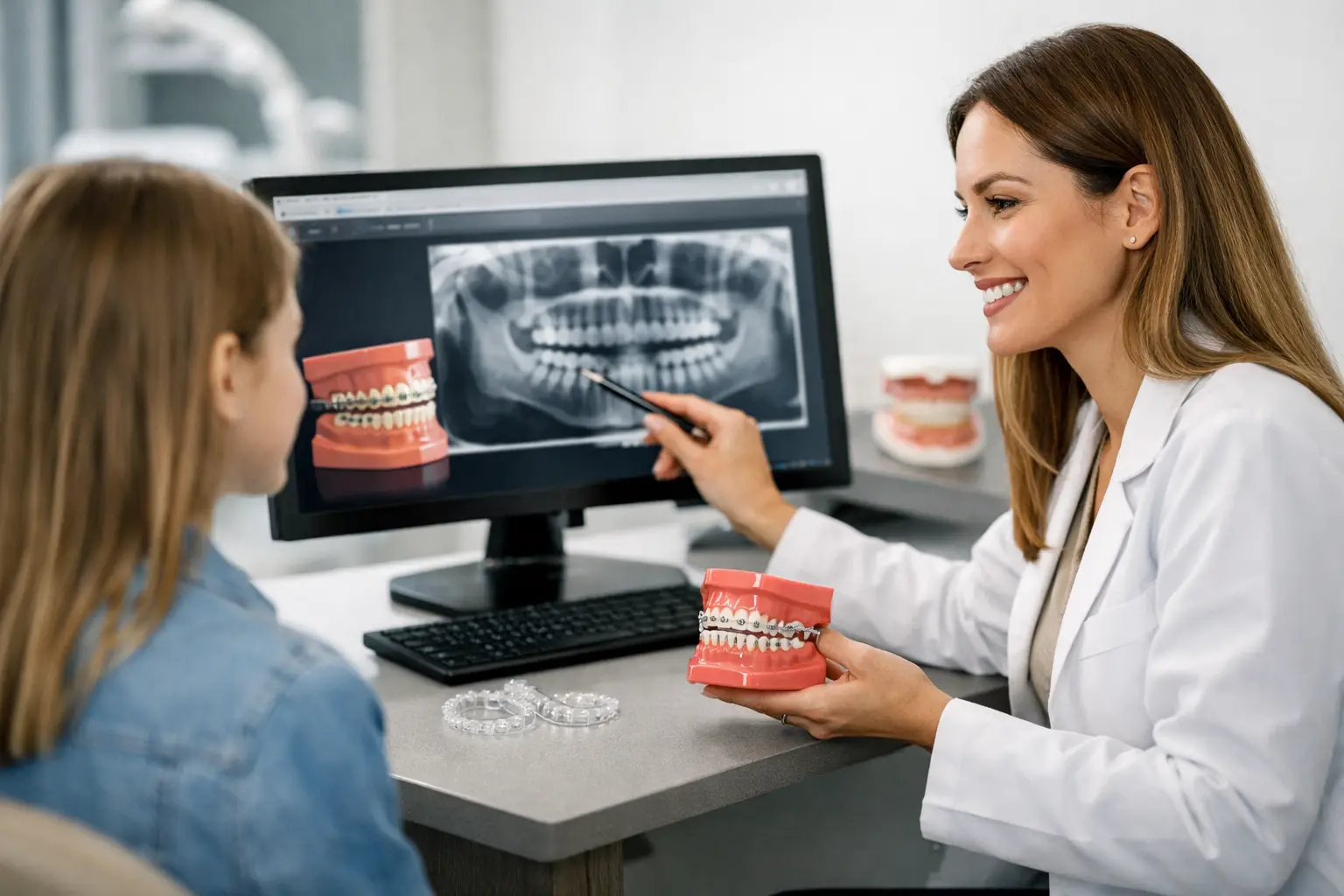
A child’s permanent teeth may be coming in sideways. A teen may be hiding their smile in photos. An adult may be tired of a bite that makes chewing uncomfortable. A Broomfield braces specialist looks beyond what appears crooked at first glance to understand how the teeth, jaws, bite, and daily routines work together. That fuller picture is what turns orthodontic care from a generic plan into treatment designed around a real person.
Braces can create meaningful changes in comfort, confidence, and oral function, but the process should not feel confusing or intimidating. The right orthodontic experience combines clinical precision with clear guidance, practical scheduling, and a team that listens closely to your goals.
What a Broomfield Braces Specialist Looks For
Orthodontics is not only about straight front teeth. During an evaluation, a specialist considers tooth alignment, spacing, crowding, jaw position, the way upper and lower teeth meet, facial growth, and habits that may affect development. A bite that seems minor can sometimes contribute to uneven tooth wear, difficulty cleaning, chewing concerns, or strain on certain teeth.
For children, timing matters. Some concerns are best monitored while the mouth grows naturally. Others, such as a significant crossbite, crowding that could affect incoming permanent teeth, or a jaw-growth imbalance, may benefit from early interceptive treatment. Early care does not always mean a child will avoid braces later. It can, however, create space, guide growth, or reduce the complexity of future treatment when intervention is appropriate.
For teens and adults, the discussion often includes lifestyle as well as clinical goals. Someone preparing for senior photos may care deeply about appearance. A working parent may need appointments that fit around a full calendar. Another patient may be most concerned about a bite that feels off. These details belong in the treatment conversation, because a plan only works well when it is realistic to follow.
Digital planning supports more precise decisions
Modern orthodontic imaging gives the care team a detailed view of teeth and jaw relationships. Digital scans can replace many traditional impressions, making the records process more comfortable while helping the specialist plan tooth movement with greater accuracy. When 3D imaging is clinically appropriate, it can offer valuable information that cannot be seen from a standard visual exam alone.
Technology is a useful tool, not a substitute for thoughtful care. The most helpful plan still comes from pairing detailed records with an experienced orthodontic evaluation and an honest conversation about what matters to the patient.
Choosing Braces That Fit Your Needs
Metal braces remain a reliable choice for correcting a wide range of alignment and bite concerns. Today’s brackets are smaller and more comfortable than many people remember, and colored ties can make them a fun option for younger patients. They are also fixed in place, which can be helpful for patients who might struggle to wear removable aligners consistently.
Clear braces offer a less noticeable alternative while providing the control of braces. They can be an appealing option for teens and adults who want a more subtle look but need treatment that is not best suited to clear aligners. Like metal braces, clear braces stay on throughout treatment, so they do not rely on remembering to put them back in after meals.
Invisalign clear aligners may be an excellent fit for many patients, particularly those who value a removable option. They can make eating and brushing simpler, but success depends on wearing them as directed. Clear aligners are not automatically better than braces, and braces are not automatically the fastest choice. The best option depends on the bite, the movements needed, oral health, lifestyle, and consistency.
A compassionate orthodontic team should explain the trade-offs plainly. You deserve to know why a certain option is being recommended, what daily care will involve, and what kind of result is realistic before treatment begins.
The Braces Process Should Feel Manageable
Starting braces usually begins with records, diagnostic planning, and a clear review of the recommended approach. At 1st Impressions Orthodontics, personalized planning is designed to give patients and parents a straightforward understanding of the next steps, from the first appointment through retention.
Once braces are placed, regular adjustment visits allow the orthodontist to guide teeth gradually and monitor progress. These appointments are also a chance to ask questions. A wire may occasionally feel pokey, a bracket can come loose, or a mouth may need time to adjust after an appointment. These moments are common, and patients should know where to turn for supportive orthodontic emergency guidance.
Braces require a few practical changes, especially around food and hygiene. Hard, sticky, and crunchy foods can damage brackets or wires, while thorough brushing and flossing help protect teeth during treatment. This is not about striving for perfection. It is about building routines that keep treatment moving forward and help the smile look healthy when braces come off.
Treatment time varies. Simple alignment may take less time than complex bite correction, but a precise estimate should come after a full exam. Good orthodontic care does not promise an arbitrary finish date. Instead, it tracks progress carefully, adjusts when needed, and keeps patients informed about what is changing and why.
Questions Worth Asking at a Braces Consultation
A braces consultation should leave you feeling clearer, not pressured. Ask what specific concerns are being treated, whether there are multiple appropriate options, and how each choice could affect comfort, appearance, daily care, and timing. If cost is a concern, ask for a transparent explanation of fees, insurance considerations, payment options, and what is included in treatment.
It is also reasonable to ask how the practice handles scheduling, repairs, and unexpected discomfort. Families and working adults often need convenience just as much as they need excellent clinical results. Flexible access, responsive communication, and a judgment-free atmosphere can make a substantial difference over months of treatment.
For parents, it can help to ask how the team will involve your child or teen. Younger patients do better when they understand the purpose of their care and feel comfortable speaking up about discomfort or questions. For adults, ask how the plan accounts for professional responsibilities, social events, and any prior dental work such as crowns or implants.
Braces Are Only One Part of a Lasting Result
When active treatment is complete, retainers protect the progress that braces created. Teeth naturally have a tendency to shift over time, so retention is not an optional afterthought. Your orthodontic team will explain when and how to wear retainers based on your individual situation.
A lasting result also depends on continued routine dental care. Cleanings, exams, and healthy habits remain important before, during, and after orthodontic treatment. If jaw discomfort, sleep-related concerns, or a need for a protective sports mouth guard is part of your situation, mention it during your consultation. Orthodontic planning is strongest when the whole picture is considered.
The first step does not require you to have every answer. Whether you are considering braces for your child, your teen, or yourself, a thoughtful consultation can replace uncertainty with a plan that feels clear, personal, and possible.