
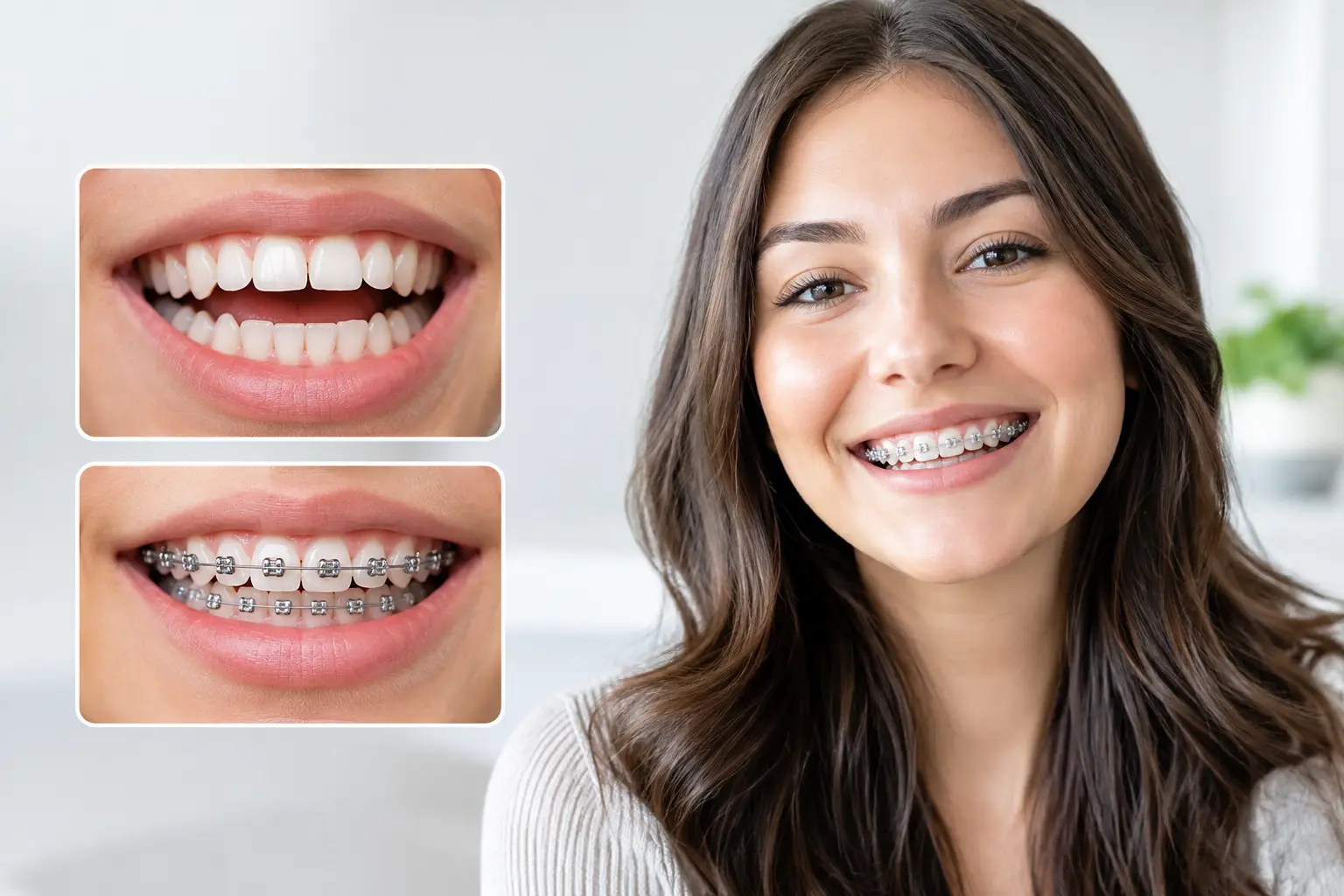
When your front teeth do not touch when you bite down, everyday moments can feel surprisingly difficult. Biting into a sandwich, pronouncing certain sounds, or smiling in photos may bring attention to a gap you would rather not think about. Open bite braces results can be life-changing because treatment is about more than closing a visible space – it is about helping your teeth and bite work together more comfortably.
An open bite can look different from one person to the next, so the right treatment plan is never one-size-fits-all. A thoughtful orthodontic evaluation identifies what is causing the bite to stay open, then maps out a precise path toward a healthier, more confident smile.
What Open Bite Braces Results Can Change
An anterior open bite means the upper and lower front teeth remain apart when the back teeth are together. Some people have a small gap that is mainly cosmetic. Others have a more noticeable opening that affects how they chew, speak, or close their lips comfortably. A posterior open bite is less common and occurs when the back teeth do not meet properly.
With braces, the goal is to guide teeth into positions where they fit together more naturally. Successful treatment often creates a more even smile, allows the front teeth to meet appropriately, and improves the way the bite distributes chewing forces. Patients may also notice clearer speech and more confidence when they smile.
The visual change can be dramatic, but the functional result matters just as much. Teeth that meet correctly are generally easier to use and can experience less uneven wear over time. That does not mean every patient will have the exact same outcome. The final result depends on the cause and severity of the open bite, facial growth, oral habits, and how consistently treatment instructions are followed.
Why an Open Bite Happens Matters
Open bites are not caused by one thing alone. In children, habits such as thumb sucking, prolonged pacifier use, or tongue thrusting can influence how the teeth and jaws develop. In teens and adults, the issue may involve tooth position, jaw growth, inherited facial patterns, or a combination of factors.
This distinction guides treatment. If teeth have tipped or moved into an open-bite pattern, braces may be able to correct the issue by carefully repositioning them. If the jaws themselves are significantly mismatched, braces still play an essential role, but treatment may require additional planning. For a small number of adults with a pronounced skeletal open bite, orthodontics may be coordinated with jaw surgery to achieve the most stable functional result.
There is no benefit to guessing based on a photo or a quick glance. Digital imaging and a detailed orthodontic exam help show whether the concern is primarily dental, skeletal, habit-related, or mixed. That clarity helps prevent a plan that looks good early on but does not address the reason the bite developed.
How Braces Close an Open Bite
Braces give an orthodontist precise control over individual tooth movement. Brackets and wires can move front teeth, adjust the height of teeth, improve arch coordination, and refine how the upper and lower teeth come together. Depending on the case, treatment may also include elastics, which are small rubber bands worn between the upper and lower braces.
Elastics are often a meaningful part of open bite correction. They provide a gentle, consistent force that helps guide the bite into a better relationship. They only work when worn as prescribed, however. Skipping them regularly can slow progress and make treatment less predictable.
Some patients benefit from temporary orthodontic anchorage devices, often called TADs. These small devices can give the orthodontist extra control when moving specific teeth is needed. They are not necessary for every open bite, but they can be helpful in select cases, especially when controlling the vertical position of back teeth is part of the plan.
Clear aligners can also treat certain open bites. For patients who qualify, aligners may offer a more discreet option, but they need to be worn consistently for about 20 to 22 hours a day. Braces can be the better choice when a case needs more complex tooth control or when an orthodontist wants to reduce the reliance on removable trays. The best option comes down to your bite, goals, lifestyle, and the movements needed to create a stable result.
When Will You See Results?
Many patients notice early changes in tooth alignment within the first few months. The open space between the front teeth may start to look smaller as treatment progresses, but closing the gap is not always the first or only priority. The orthodontist may need to create space, level the arches, correct rotations, or address the back bite before finalizing how the front teeth meet.
For that reason, the most visible milestone is not always the whole story. A bite can appear nearly closed before the teeth are fully settled into a healthy, stable fit. Fine-tuning is where orthodontic precision matters.
Treatment time varies widely. A mild dental open bite may be corrected in roughly a year to 18 months, while more complex cases can take longer. Growth-related concerns, severe crowding, jaw differences, and inconsistent elastic wear can all affect the timeline. At your consultation, an orthodontist can give a more personal estimate after examining your teeth, bite, and records.
The Habits That Protect Your Braces Results
Finishing active treatment is a major accomplishment, but keeping an open bite from returning requires attention after the braces come off. Retainers are essential because teeth naturally have a tendency to shift. For open bite patients, retention is especially meaningful when the original issue was connected to tongue posture or an oral habit.
If a tongue thrust, thumb habit, or mouth-breathing pattern contributed to the bite, your orthodontic team may recommend additional support. This could include habit coaching or coordination with another healthcare professional when appropriate. The goal is not to assign blame. Oral habits are common, and understanding them gives the smile a better chance of staying healthy and stable.
Good home care during braces also protects the overall outcome. Brushing carefully around brackets, cleaning between teeth, attending adjustment visits, and avoiding foods that can damage appliances help treatment stay on track. If a bracket breaks or a wire becomes uncomfortable, reaching out promptly can prevent an avoidable delay.
What a Strong Result Really Looks Like
The best open bite braces results are not simply front teeth that touch in one photo. A strong outcome balances appearance, comfort, function, and long-term stability. Your teeth should fit together in a way that supports everyday chewing and smiling, while the plan should respect your facial features and personal goals.
For families and adults in Westminster and nearby communities, a specialty orthodontic consultation can replace uncertainty with clear guidance. At 1st Impressions Orthodontics, treatment planning is designed around the details of your bite, your comfort, and the kind of experience that fits your life.
If an open bite has made you hesitate at meals, in conversations, or in photos, you do not have to decide on treatment without answers. A personalized evaluation can show what is possible, what the timeline may look like, and what it will take to protect the smile you build.