
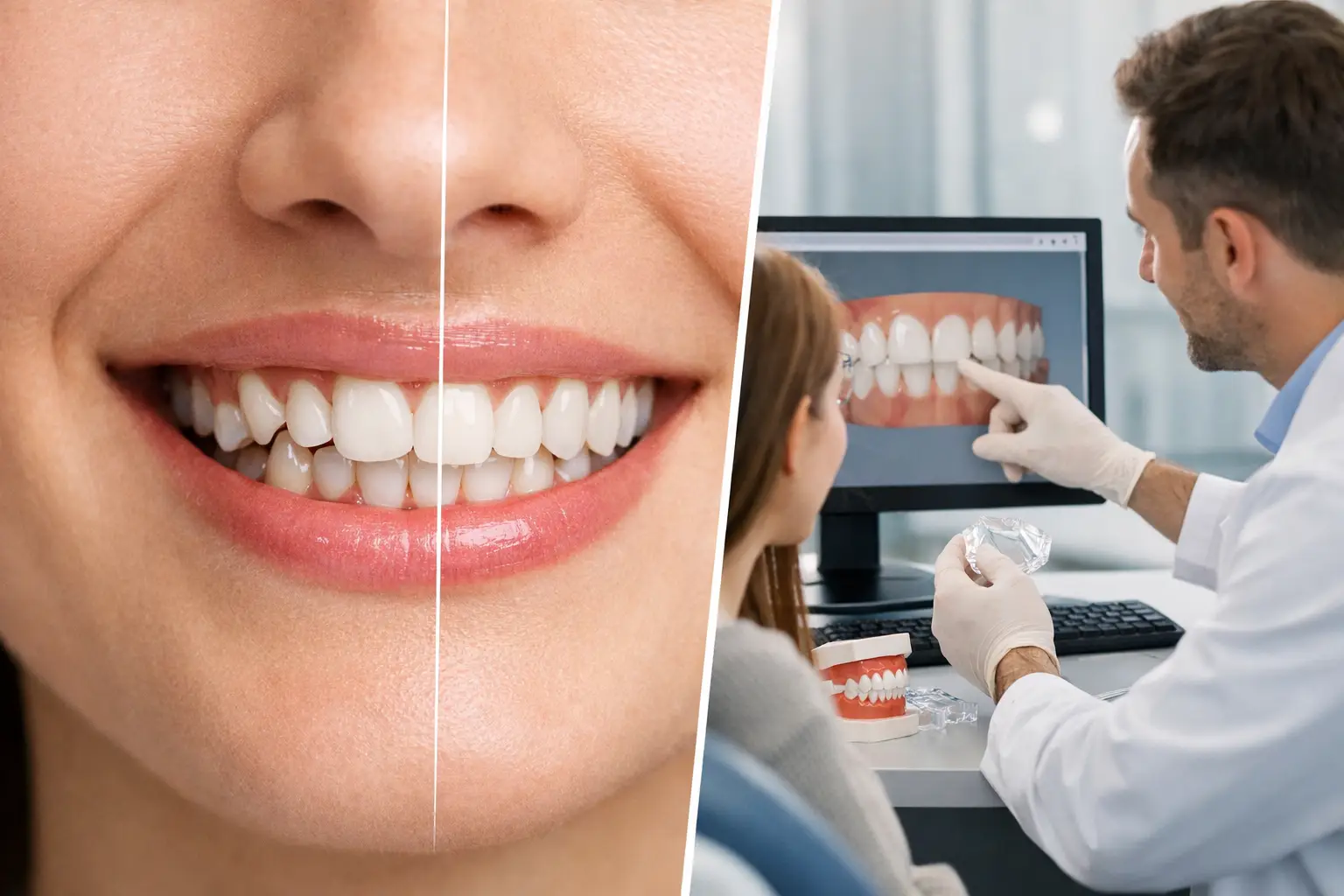
A tooth that overlaps another may seem like a cosmetic concern, but crowding can affect much more than a photo-ready smile. Teeth that sit too tightly together can be harder to brush and floss, wear unevenly, and sometimes contribute to bite problems or jaw strain. If you are wondering how to fix crowded teeth, the right answer starts with understanding why there is not enough room and choosing treatment that protects both your smile and your bite.
Crowding is extremely common in children, teens, and adults. The good news is that modern orthodontic treatment offers comfortable, personalized ways to create the space your teeth need. Whether you are considering treatment for your child or finally making time for your own smile, an orthodontic consultation can replace uncertainty with clear guidance.
What Causes Crowded Teeth?
Crowded teeth happen when the teeth are larger than the available space in the jaw, or when teeth erupt in positions that do not allow them to line up properly. Genetics often play a major role. A child may inherit a smaller jaw from one side of the family and larger teeth from the other.
Other factors can contribute as well. Baby teeth that are lost too early may allow nearby teeth to drift into the open space, leaving less room for permanent teeth. Teeth can also come in at an angle, become trapped beneath the gums, or shift gradually over time. In adults, natural changes in the bite, gum health concerns, and inconsistent retainer wear after prior orthodontic treatment can all lead to renewed crowding.
Crowding does not always look severe from the front. Sometimes it is concentrated behind the lower front teeth, where it is easy to miss until flossing becomes difficult. That is one reason a specialist evaluation is valuable: the goal is not simply to make visible teeth look straighter, but to assess spacing, tooth position, jaw relationships, and long-term function.
How to Fix Crowded Teeth Safely
There is no single treatment for every crowded smile. An orthodontist uses photographs, digital scans, X-rays, and a careful bite evaluation to determine how much space is needed and the healthiest way to create it. Treatment may involve braces, clear aligners, early interceptive care, or a combination of approaches.
Braces for precise tooth movement
Metal and clear braces remain highly effective for mild, moderate, and complex crowding. Brackets and wires apply gentle, controlled forces that guide each tooth into a healthier position. Braces can be an especially strong choice when crowding is paired with significant bite issues, rotated teeth, impacted teeth, or a need for very precise movement.
Today’s braces are smaller and more comfortable than many parents and adults remember. Clear braces offer a less noticeable option for appropriate cases, while metal braces remain a dependable and efficient choice for many teens and children. Your orthodontist will explain what is realistic for your goals, not push a one-size-fits-all solution.
Clear aligners for qualified patients
Clear aligners, including Invisalign treatment, can correct many types of crowded teeth using a series of custom-made trays. The aligners are removable for meals and brushing, which can make oral hygiene and daily routines easier for busy adults and teens.
The trade-off is commitment. Aligners must be worn as directed, usually 20 to 22 hours each day, to keep treatment on track. They are not the ideal choice for every bite or every degree of crowding, but they can be an excellent option when the treatment plan and patient habits are a good match.
Creating space without removing teeth
Many people assume crowded teeth automatically mean tooth extraction. That is not always the case. Depending on the smile and bite, an orthodontist may create space by carefully broadening the dental arch, moving back teeth into available space, or making tiny adjustments between selected teeth. This process, called interproximal reduction, removes a very small amount of enamel in a controlled way when appropriate.
For younger patients, guiding jaw growth can sometimes make space for permanent teeth before crowding becomes more difficult. A palatal expander or another early orthodontic appliance may be recommended when a developing child has a narrow upper jaw, crossbite, or clear shortage of room. Early treatment is not necessary for every child, but timely observation can prevent missed opportunities.
When extractions may be recommended
In some cases, there simply is not enough room to align the teeth and maintain a balanced bite without removing one or more teeth. Extractions are considered carefully, not casually. Your orthodontist will review the reason for the recommendation, how it supports facial balance and bite health, and what alternatives may or may not be suitable.
The best plan is the one that creates a stable result, not merely the quickest path to straight-looking front teeth.
Why Straightening Crowded Teeth Can Benefit Oral Health
A straighter smile can be easier to clean because toothbrush bristles and floss can reach more tooth surfaces. That may reduce places where plaque tends to collect, particularly around overlapping lower front teeth. Orthodontic treatment is not a substitute for brushing, flossing, and regular dental care, but it can make those habits more effective.
Correcting crowding may also improve the way teeth come together. When the bite is unbalanced, certain teeth can carry more force than they should, increasing the chance of chipping or uneven wear. Some patients with bite-related strain also notice jaw discomfort, though orthodontic treatment should always be planned around a full evaluation rather than promising a cure for every jaw symptom.
For many patients, the emotional benefit matters just as much. Feeling comfortable smiling, speaking, or showing up in photos is not superficial. It is part of feeling at ease in daily life.
What Treatment Usually Looks Like
The first step is a consultation where your orthodontist listens to what concerns you most. You may want a more confident smile before a wedding, a teen may be worried about how braces will look at school, or a parent may want to know whether their child needs treatment now or simply monitoring. Those details matter when building a plan.
After digital imaging and a thorough exam, you should receive a clear explanation of the findings, recommended options, expected treatment timeline, and financial information. Crowding treatment can range from several months for a limited correction to longer for comprehensive braces or aligner care. The timeline depends on the amount of movement needed, bite complexity, growth, and how consistently the patient follows instructions.
Regular appointments allow the orthodontic team to monitor progress and make precise adjustments. With aligners, this includes changing trays on schedule and wearing them consistently. With braces, it means protecting brackets, attending adjustment visits, and following guidance about foods and hygiene. Orthodontic emergencies can happen, but a loose bracket or poking wire is usually manageable with prompt support from your care team.
Retainers Keep Your New Smile in Place
Finishing active treatment is exciting, but it is not the end of orthodontic care. Teeth have a natural tendency to shift, especially during the first months after braces or aligners come off. Retainers hold the teeth in their new positions while the surrounding tissues adapt.
Your retainer plan may include a removable retainer, a fixed retainer behind the front teeth, or both. Wearing and caring for retainers exactly as instructed is one of the most effective ways to protect the time and investment you made in your smile. If you had orthodontic treatment years ago and your teeth have crowded again, retainers will be an essential part of your new plan, too.
When Should You Schedule an Orthodontic Evaluation?
Children should have an orthodontic evaluation around age 7, even if all permanent teeth have not erupted. At this stage, an orthodontist can identify developing crowding, crossbites, spacing concerns, and eruption patterns. Often, the recommendation is simply to monitor growth. When early treatment is helpful, acting at the right time can make later care more straightforward.
Teens and adults can seek care whenever crowding bothers them or affects their oral health. There is no age limit on improving a smile. Adult teeth can move successfully with braces or clear aligners, provided the gums and teeth are healthy enough for treatment.
Crowded teeth deserve more than a quick cosmetic fix. A personalized orthodontic plan can create room thoughtfully, improve the way your bite functions, and give you a smile that feels like your own. At 1st Impressions Orthodontics, patients in Westminster and nearby communities can begin with compassionate, judgment-free guidance and a plan designed around real life.