
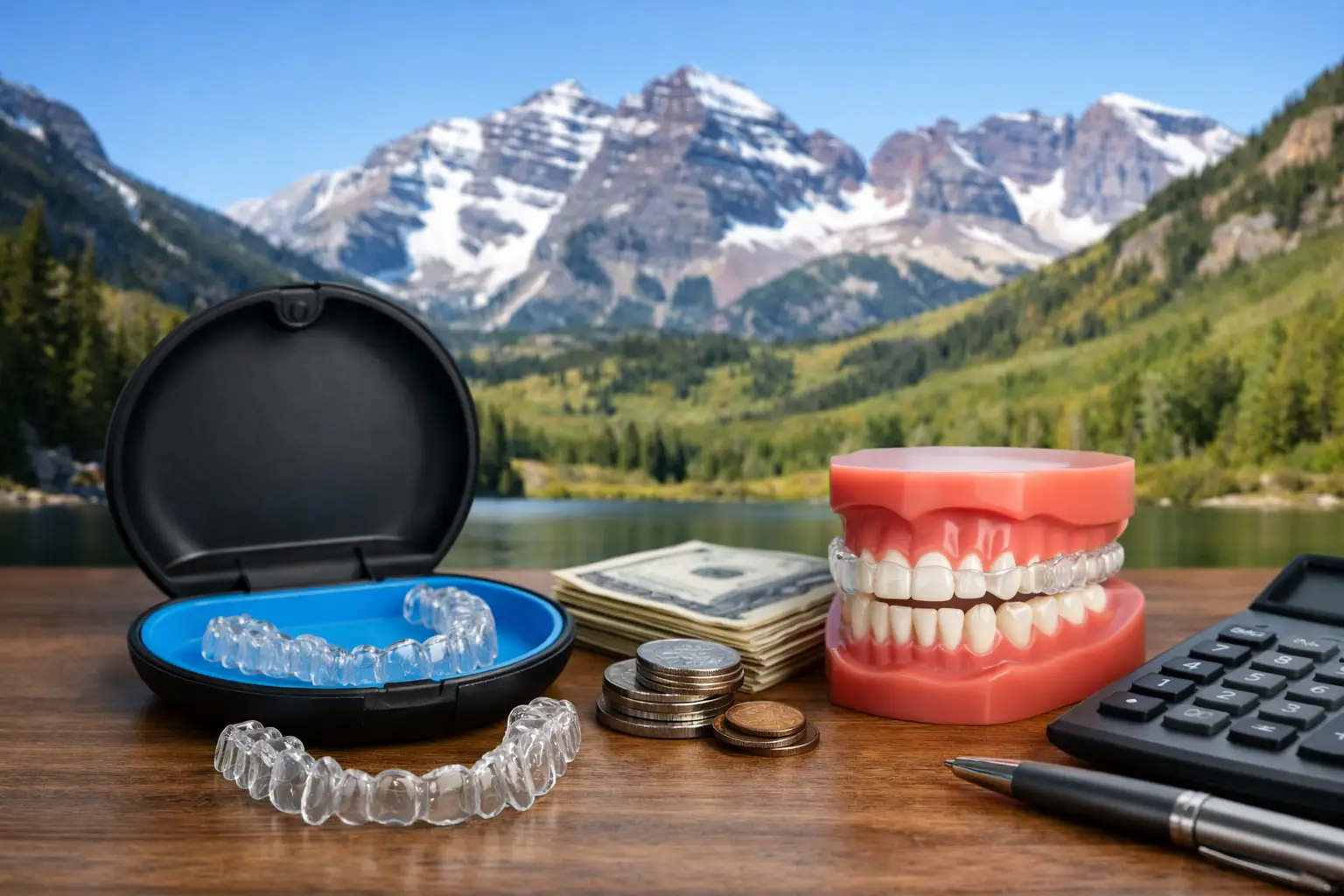
A clear-aligner smile can feel like a natural fit for your workday, school schedule, photos, and everyday routines. Still, the first question for many patients is practical: what is the Invisalign cost? The honest answer is that it depends on your teeth, bite, treatment goals, and the level of orthodontic care needed to reach a healthy, lasting result.
For patients in Westminster and nearby communities, a consultation is the most reliable way to get a clear number. It is also the best time to understand exactly what that number includes, from digital treatment planning through the retainers that help protect your finished smile.
Invisalign Cost: Why One Quote Can Differ From Another
Invisalign treatment is customized, not a one-size-fits-all product. Two people may both want straighter front teeth, yet one may need a short cosmetic correction while the other needs comprehensive treatment to improve crowding, spacing, a deep bite, crossbite, or jaw alignment. Those differences affect the number of aligners, appointments, monitoring, and refinements involved.
Across the United States, comprehensive Invisalign treatment commonly falls in a broad range of roughly $3,000 to $8,000. A limited treatment plan may cost less, while more complex bite correction can be at the higher end of that range. This is a useful starting point, not a personal quote. A lower advertised price can reflect a limited case, exclude important parts of care, or simply not apply to the treatment your smile needs.
At 1st Impressions Orthodontics, the goal is not to fit your needs into a preset package. Your orthodontist evaluates your smile, bite, facial balance, oral health, and goals before recommending a plan. That level of planning matters because aligners are designed to move teeth precisely, not just make the visible teeth look straighter for the moment.
The complexity of your smile and bite
Mild spacing or small alignment concerns can sometimes be treated with fewer aligners and a shorter timeline. More involved cases may require gradual tooth movement, attachments placed on certain teeth, elastics to guide the bite, or additional aligners near the end of treatment. These are not extras for the sake of it. They are tools that help create a bite that functions comfortably and looks balanced.
A healthy bite can influence chewing, tooth wear, and the long-term stability of your results. If your orthodontist recommends comprehensive treatment rather than a quick cosmetic option, it is often because the bite deserves attention alongside the appearance of the smile.
The experience and oversight behind treatment
Invisalign is a sophisticated aligner system, but the aligners themselves are only part of the process. Orthodontic expertise guides where each tooth should move, when movement should happen, and how the bite should fit at the end. Ongoing visits allow your orthodontist to check progress, make adjustments when needed, and respond early if something is not tracking as planned.
Digital scans and 3D imaging can also improve comfort and planning. Rather than relying on messy traditional impressions, modern imaging creates a detailed model of your teeth and supports a more precise treatment plan. That clinical oversight is especially valuable when the goal is more than a minor cosmetic change.
What is included in the fee
When comparing Invisalign estimates, ask what is covered from beginning to end. A comprehensive fee often includes your initial records and diagnostic imaging, customized aligners, scheduled orthodontic visits, monitoring, planned refinements, and retention planning. Retainers are a critical part of any orthodontic investment because teeth naturally have a tendency to shift over time.
Every practice structures treatment fees differently, so do not assume two prices cover the same care. Clear communication protects you from surprises and helps you compare options fairly.
Insurance, Financing, and Ways to Plan for Treatment
Orthodontic insurance may reduce your out-of-pocket cost, but coverage varies widely. Some dental plans include a separate lifetime orthodontic benefit, often with a maximum amount rather than a percentage that renews each year. Other plans cover braces but have specific rules for clear aligners, age limits, waiting periods, or in-network requirements.
Before treatment begins, ask your insurance provider about your orthodontic lifetime maximum, whether Invisalign is covered, and how benefits are paid. It is also helpful to ask whether changing jobs or insurance plans could affect the remaining benefit. A knowledgeable orthodontic team can help you understand your estimated benefits, but your insurer has the final say on coverage.
Flexible financing can make comprehensive care more manageable by spreading the cost into monthly payments rather than requiring the full balance at once. The right arrangement depends on your down payment, treatment length, insurance contribution, and household budget. If you have a health savings account or flexible spending account, those funds may also be eligible for orthodontic expenses. Confirm the details of your account before making plans.
Price matters, and so does predictability. During your consultation, it is reasonable to ask for a clear explanation of the total fee, your estimated insurance portion, the down payment, monthly payment options, and what happens if treatment needs additional refinement. You deserve straightforward answers before you decide.
Is Invisalign Worth the Cost?
For many adults and teens, the value of Invisalign is tied to how easily it fits into daily life. The aligners are removable for meals, brushing, flossing, sports, and special occasions. They are also discreet, which can be meaningful for professionals who speak with clients, teens who want a less visible option, or anyone who simply wants to smile without feeling self-conscious during treatment.
That convenience comes with responsibility. Aligners generally need to be worn about 20 to 22 hours each day to work as intended. Taking them out often, forgetting to switch aligners on schedule, or losing them can delay progress. For patients who prefer not to manage removable trays, braces may be the more dependable choice. Neither option is automatically better. The best choice is the one that can achieve your treatment goals while working with your habits and lifestyle.
It is also worth considering the cost of postponing a problem. Crowded teeth can be harder to clean, and an uneven bite can contribute to uneven wear. Not every alignment concern is urgent, but an orthodontic evaluation can clarify whether treatment is primarily cosmetic, functional, or both.
How to Get a Clear Invisalign Cost Estimate
The clearest path is a personalized orthodontic consultation. Before your visit, gather your dental insurance information and think about what you would like to change. Are you mainly concerned about crooked front teeth? Do you notice difficulty chewing, a bite that feels off, jaw discomfort, or teeth that continue to shift after past orthodontic treatment? Sharing those concerns helps shape a plan built around your real goals.
During the consultation, ask how long treatment is expected to take, what kind of results are realistic, whether Invisalign or braces is better suited to your case, and what follow-up care is included. If you are comparing estimates, compare the treatment scope and clinical support, not only the starting number.
A confident smile should not come with confusion about the process or pressure to make a rushed decision. With compassionate guidance, precise planning, and a payment approach that fits your family, you can move forward knowing what your treatment is designed to accomplish and what it will cost.