
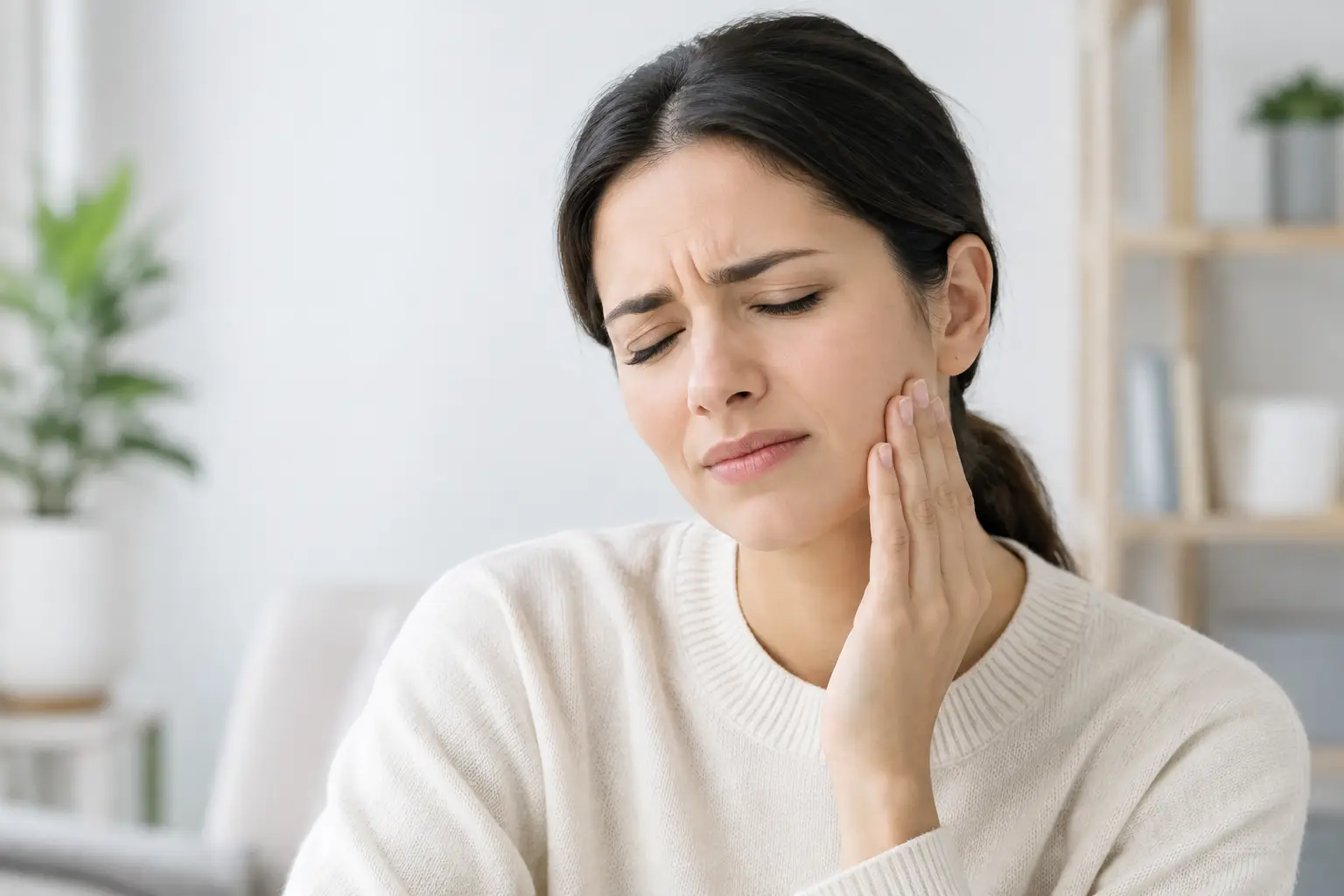
A sore jaw after a long day, a clicking sound when you chew, or teeth that never seem to meet comfortably can be more than an annoyance. Jaw pain can come from a bite problem, but the relationship is not always simple. Your jaw joints, muscles, teeth, sleep habits, and stress level can all play a role. The good news is that a thoughtful evaluation can help identify what is contributing to your discomfort and what type of care makes sense.
Is jaw pain from a bite problem?
It can be. Your bite is the way your upper and lower teeth fit together when you close your mouth, chew, and speak. When teeth do not meet evenly, the jaw muscles may work harder to find a comfortable closing position. For some people, that extra strain contributes to muscle fatigue, tenderness, headaches, or discomfort around the jaw joint.
Common bite concerns include overbites, underbites, crossbites, open bites, crowding, and teeth that have shifted over time. A single tooth that hits before the others can also make your bite feel off. Still, an uneven bite is not a guaranteed cause of jaw pain. Many people have bite differences without pain, while others develop symptoms due to clenching, injury, arthritis, sleep concerns, or a combination of factors.
That is why jaw discomfort deserves individualized care rather than assumptions. At 1st Impressions Orthodontics, we look at the full picture: how your teeth fit, how your jaw moves, where you feel discomfort, and what daily habits may be affecting your symptoms.
Signs your bite may be affecting your jaw
Jaw pain tied to bite function often shows up during activities that put the teeth and muscles to work. You may notice soreness when chewing firmer foods, yawning widely, or waking up in the morning. Some patients feel a tired or tight sensation in the cheeks and temples instead of a sharp pain directly at the jaw joint.
Other signs can include clicking or popping, a jaw that feels like it catches, frequent tension headaches, tooth sensitivity from grinding, uneven tooth wear, or a bite that suddenly feels different. You might find yourself shifting your jaw to get your teeth to meet in a more comfortable spot. These symptoms do not automatically mean you need braces or aligners, but they are useful details to share during an exam.
Pay attention to timing, too. Discomfort that appears mostly after stressful days may point toward clenching. Pain that begins after a dental restoration, facial injury, or a noticeable change in how your teeth meet should be checked promptly. A clear pattern helps your provider make more precise recommendations.
Other common causes of jaw pain
The jaw is a busy part of the body, so pain is not always orthodontic in origin. Stress-related clenching and nighttime grinding are extremely common. They can overload the chewing muscles even when the bite itself is reasonably balanced. Poor sleep, some medications, caffeine, and anxiety can make grinding more likely.
Temporomandibular joint, or TMJ, conditions may also involve the joint itself, the surrounding muscles, or both. The term is often used casually to describe jaw pain, but it covers several different conditions. Treatment depends on the cause. A jaw joint that clicks without pain, for example, may be monitored differently than a jaw that locks or causes significant daily limitations.
Dental infections, cavities, gum inflammation, sinus pressure, ear conditions, and nerve-related pain can sometimes feel like jaw pain. This is one reason a professional assessment matters. Treating the wrong problem can delay the relief you are looking for.
When orthodontic treatment can help
Orthodontic treatment may be part of the solution when tooth alignment or a significant bite discrepancy is contributing to uneven forces and inefficient function. Braces or Invisalign clear aligners can gradually guide teeth into healthier positions, improving how they fit together and making the bite easier to manage.
For a growing child or teen, early orthodontic evaluation can be especially valuable when the jaws are developing unevenly. Interceptive treatment may help guide growth, create space for incoming teeth, or address a developing crossbite before it becomes more complex. Not every child needs early treatment, but identifying a concern at the right time gives families more options.
For adults, treatment can address teeth that have crowded or shifted, bite changes that affect chewing, and cosmetic goals alongside function. The right option depends on the movements needed, your oral health, your schedule, and your comfort preferences. Clear aligners can be a convenient choice for many adults and teens, while braces may be the more efficient or predictable option for certain movements.
It is also important to set realistic expectations. Orthodontic treatment is not a universal cure for every type of jaw pain. If clenching, joint inflammation, or another medical issue is the primary driver, aligning the teeth alone may not resolve symptoms. In those cases, a personalized plan may include TMJ-focused care, a protective appliance, habit changes, or coordination with another healthcare provider.
What an evaluation should include
A careful orthodontic evaluation should feel informative, not rushed. Your provider will discuss when the discomfort began, what makes it better or worse, and whether you experience clicking, locking, headaches, or sleep-related symptoms. They will examine your bite, tooth wear, jaw movement, and facial balance.
Advanced digital imaging and 3D imaging can help your orthodontist assess tooth positions and jaw relationships with greater precision when appropriate. This information supports treatment decisions and helps avoid a one-size-fits-all approach. If your symptoms suggest that another type of dental or medical care is needed first, you should receive clear guidance about the next step.
Bring a few practical notes to your appointment. Mention whether you wake with headaches, chew gum often, grind your teeth, recently had dental work, or have had an injury to the face or jaw. Those details can be just as useful as an X-ray because they reveal how your symptoms behave in real life.
What you can do while you wait for care
Gentle habits can reduce irritation while you arrange an evaluation. Choose softer foods for a few days if chewing is painful, avoid gum and very chewy foods, and try not to rest your chin in your hand. A warm compress may relax tight muscles, while a cold compress can be helpful after a flare-up or injury. Use whichever feels more soothing, with a cloth barrier to protect your skin.
Try to notice your resting jaw position. Your lips can be together, but your teeth do not need to touch. Keeping a small space between the teeth during the day can reduce unconscious clenching. If stress is a trigger, short breathing breaks, regular movement, and consistent sleep routines may help reduce muscle tension.
Avoid trying to adjust your bite yourself or buying a generic appliance without professional guidance. An appliance that does not fit correctly can change tooth contact or irritate the jaw further. Personalized care is safer and more likely to address the actual cause of discomfort.
When jaw pain needs prompt attention
Contact a dental or medical professional promptly if you have severe swelling, fever, trouble swallowing or breathing, numbness, significant trauma, a jaw that is locked open or closed, or pain that is rapidly worsening. These symptoms may signal an infection, injury, or another issue that needs urgent attention.
For ongoing soreness, clicking with pain, or a bite that feels increasingly unstable, scheduling an orthodontic consultation can provide clarity. You do not have to simply tolerate a jaw that feels tired, tense, or difficult to use. The most helpful next step is a compassionate evaluation that looks beyond one symptom and focuses on your comfort, function, and long-term smile.