
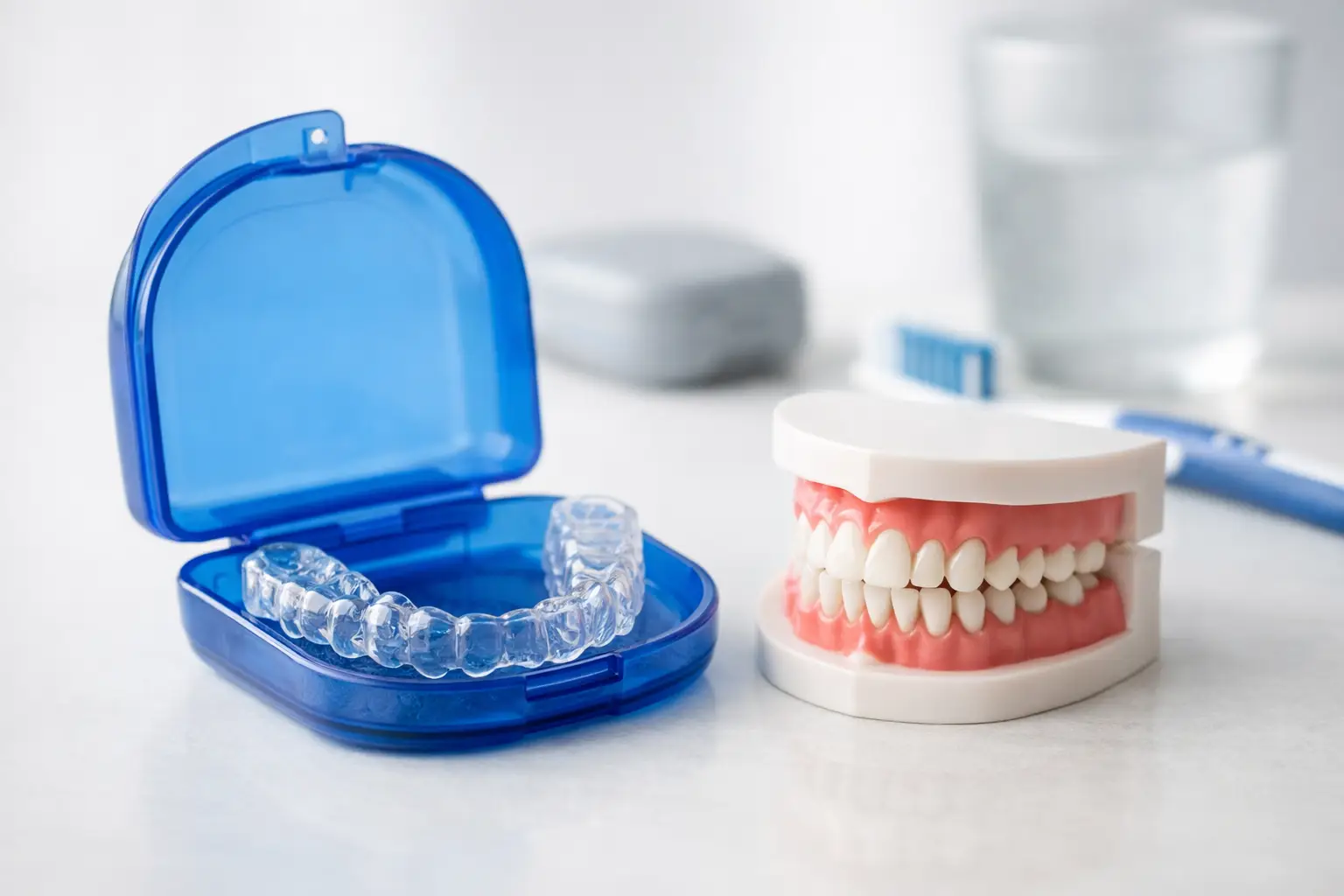
The day your braces come off or your final clear aligner comes out is a milestone worth celebrating. It is also the start of the retention phase. These retainer care instructions will help protect the smile you worked hard to create, keep your retainer fresh, and reduce the chance of avoidable damage or tooth movement.
Retainers are custom appliances, not indestructible accessories. A few simple daily habits make a meaningful difference, especially during the first months after active orthodontic treatment, when teeth are most likely to shift. Your orthodontist’s specific wear schedule should always come first, since the right plan depends on your bite, treatment history, and type of retainer.
Why Retainer Care Matters
Teeth can continue to move throughout life. After orthodontic treatment, the bone and surrounding tissues need time to stabilize around their new positions. A retainer holds those positions while that process happens and helps maintain your result for years to come.
A clean, well-fitting retainer is more comfortable to wear and better for your oral health. Plaque, bacteria, and mineral buildup can collect on an appliance just as they do on teeth. When a retainer is not cleaned regularly, it may develop an odor, look cloudy, or irritate the gums. Skipping wear or wearing a retainer that no longer fits can allow teeth to move enough that the appliance feels tight or will not seat fully.
The encouraging part is that most retainer problems are preventable. Consistent wear, gentle cleaning, and safe storage are the foundation.
Retainer Care Instructions for Every Day
Start with clean hands before handling your retainer. This small step limits the transfer of germs, lotions, or food residue onto the appliance. Remove your retainer whenever you eat or drink anything other than plain water unless your orthodontist has given you different instructions.
Clear retainers can stain or warp when exposed to hot drinks, sugary beverages, coffee, tea, or soda. Food can also become trapped between the retainer and your teeth, increasing the risk of decay. If you do have a drink besides water while wearing it by mistake, remove the retainer when you can, rinse it, and brush your teeth before putting it back in.
Each time you remove your retainer, rinse it with cool or lukewarm water. This prevents saliva and debris from drying onto the surface. Then clean it thoroughly at least once a day. A gentle routine works better than aggressive scrubbing.
For most removable retainers, a practical cleaning routine includes:
- Brush the retainer gently with a soft toothbrush reserved only for that purpose.
- Use a mild, clear liquid soap or a cleaner recommended by your orthodontic team.
- Rinse thoroughly with cool water before placing it back in your mouth or case.
- Soak it periodically in a retainer-cleaning solution if recommended, following the product directions exactly.
Avoid toothpaste, harsh cleaners, bleach, alcohol-based mouthwash, and denture cleaners unless your orthodontist specifically approves them. Many toothpastes are abrasive enough to create tiny scratches in clear plastic. Those scratches make the retainer appear dull and give bacteria more places to collect.
Never use hot water, put a retainer in the dishwasher, or leave it near a heater, in a hot car, or in direct sunlight. Heat can distort plastic quickly. A retainer may still look normal after warping, but even a small change in shape can affect how it fits your teeth.
Store It in Its Case, Every Time
The safest place for a removable retainer is in its protective case. Not in a napkin, pocket, backpack without a case, or on a cafeteria tray. Napkins are one of the most common ways retainers get accidentally thrown away, while loose retainers are easy for pets to find and chew.
Make the case part of your routine. If you take your retainer out for a meal, place it directly in the case before you begin eating. Keep a backup case in a school bag, purse, work bag, or sports bag if you are frequently away from home.
A case needs cleaning, too. Wash it regularly with mild soap and water, rinse it well, and allow it to air-dry. A clean retainer placed in a dirty, damp case will pick up bacteria and odors again quickly.
How to Protect Your Teeth While Wearing a Retainer
Your retainer supports your orthodontic result, but it does not replace brushing, flossing, or regular dental visits. Brush twice daily with fluoride toothpaste and clean between your teeth every day. This is particularly important if you wear your retainer overnight, when saliva flow naturally decreases.
If you have a bonded or fixed retainer, which is a thin wire attached behind the front teeth, cleaning around it takes a little extra attention. Floss threaders, orthodontic floss, or a water flosser can help clean beneath and around the wire. Your dental hygienist or orthodontic team can show you a method that feels manageable at home.
Do not bend, pick at, or try to repair a bonded wire yourself. A loose section can allow individual teeth to shift, and a sharp wire can irritate your tongue. Call the office for guidance rather than waiting for your next routine visit.
What to Do If Your Retainer Feels Tight, Loose, or Uncomfortable
A slight feeling of pressure can happen if you miss a night of wear or return to a retainer after a short break. If it seats completely and is only mildly snug, wear it as directed and pay attention to whether that sensation improves.
Do not force a retainer that will not go all the way onto your teeth. Forcing it may crack the appliance, damage a tooth, or move teeth in an unintended way. A retainer that suddenly feels loose, rocks on the teeth, causes pain, or has rough edges also deserves attention.
Call your orthodontic office if your retainer is lost, cracked, warped, no longer fitting, or causing persistent discomfort. The sooner you reach out, the more options you may have to preserve your alignment. In some cases, a new digital scan can make replacement straightforward. Waiting several weeks after a lost retainer can give teeth time to shift and may require more than a simple replacement.
For patients in Westminster and nearby communities, 1st Impressions Orthodontics can provide clear guidance if a retainer concern comes up. There is no judgment in asking for help quickly. Retainers get misplaced, stepped on, left in hot cars, and occasionally discovered by enthusiastic dogs. What matters most is responding promptly.
Wear Time Is Personal, but Consistency Is Not
Some patients need full-time retainer wear at first, while others transition to nighttime wear based on their orthodontist’s recommendation. Long-term nighttime wear is common because teeth naturally have a lifelong tendency to drift. The schedule may feel like a small commitment, but it protects the time, care, and investment that went into your smile.
Set yourself up for success by pairing retainer wear with an existing habit. Put it in after brushing your teeth at night, store the case beside your toothbrush, or set a reminder during the first few weeks. Teens may benefit from keeping a case in their lunch bag, while busy adults often find a second case at work helpful.
If you are traveling, pack your retainer case in a personal bag rather than checked luggage. Bring cleaning supplies and keep the appliance away from heat. A few minutes of preparation can prevent a stressful replacement situation far from home.
Keep Your Follow-Up Visits
Retention checkups allow your orthodontist to confirm that your teeth are stable, your bite is comfortable, and your retainer still fits as intended. These visits are also the right time to ask about discoloration, cleaning products, replacement timing, or changes in your wear schedule.
Clear retainers can wear down over time, especially for people who clench or grind their teeth. A replacement may be recommended even if the retainer has not broken. Think of it as maintaining a precise appliance that protects a result you want to keep.
Your retainer is one of the simplest ways to care for your future smile. Keep it clean, keep it protected, and wear it consistently. If anything about its fit or condition changes, reaching out early gives your orthodontic team the best chance to keep your smile exactly where it belongs.