
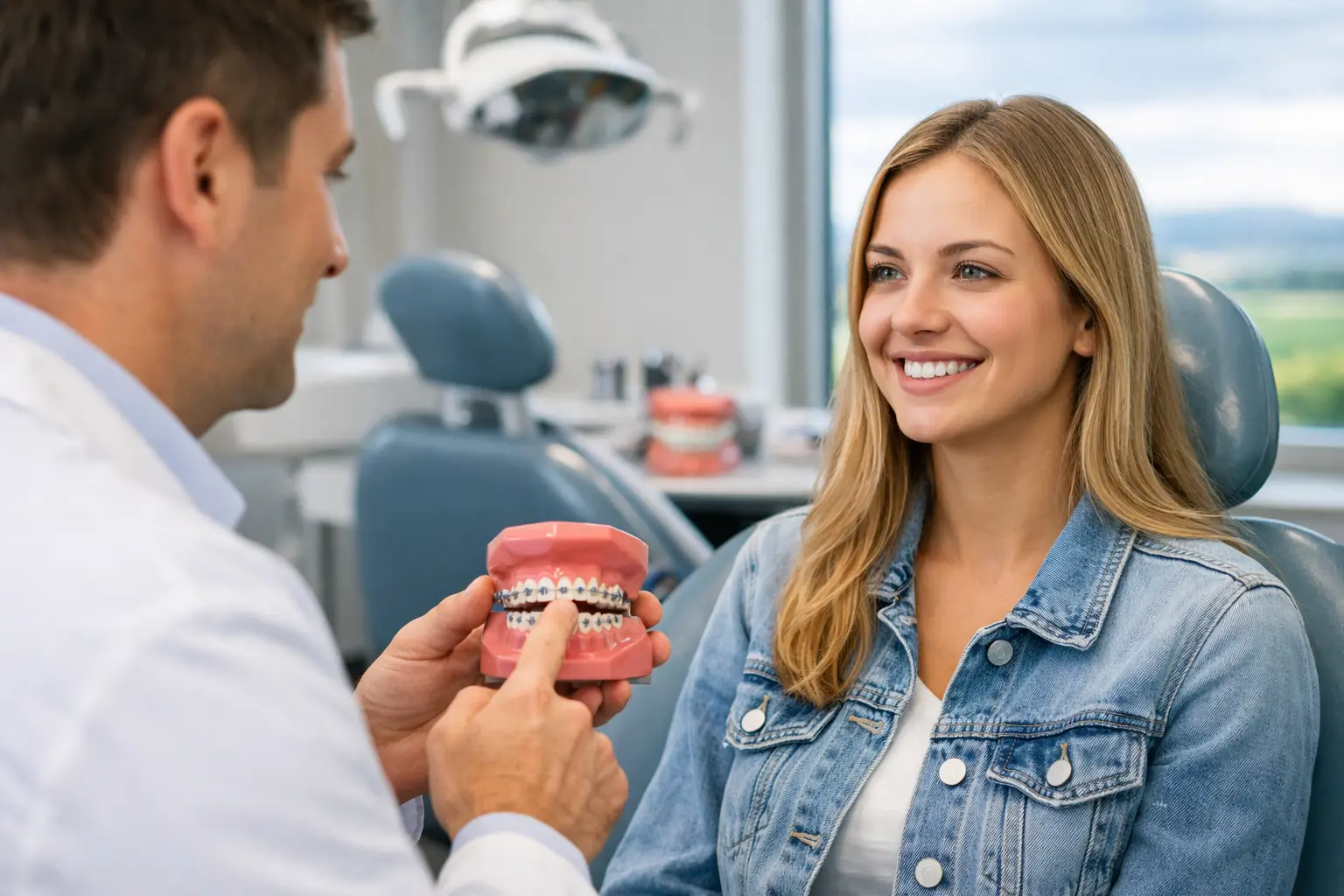
A straighter smile is only part of the decision. When you are looking for an orthodontist Brighton CO patients can count on, you are also choosing how the process will feel for the next several months or years. That matters more than many people expect. The right office should make treatment feel clear, comfortable, and manageable – not confusing, rushed, or harder to fit into daily life.
For some patients, the first concern is appearance. For others, it is crowding, jaw discomfort, bite problems, or a child whose dentist has suggested an orthodontic evaluation. Many adults have put treatment off for years because they assume it will be too noticeable, too time-consuming, or too expensive. Families often have a different question: will this office make things easier or add one more source of stress to an already busy schedule?
What to look for in an orthodontist in Brighton CO
The best fit is not always the office with the flashiest marketing or the shortest drive. It is the practice that combines strong clinical judgment with a patient experience that feels supportive from the first consultation onward.
That starts with specialization. Orthodontics is a dental specialty focused on moving teeth, correcting bite relationships, and guiding jaw development. While general dentists may offer some tooth-straightening options, a specialist has advanced training in how teeth and jaws work together over time. That deeper expertise can be especially important when a case is more than mild cosmetic alignment.
It also helps to pay attention to how treatment is explained. Good orthodontic care should never feel vague. You should understand what the problem is, what options are available, how long treatment may take, and what kind of follow-up is involved. If an office cannot explain those basics in plain language, patients are left guessing – and that usually adds anxiety.
Technology is another meaningful factor, but only when it improves care. Digital scans, advanced imaging, and 3D diagnostics can make treatment planning more precise and more comfortable than older methods. They can also help patients see what is happening and why a certain recommendation makes sense. Modern tools do not replace clinical skill, but they can absolutely support better communication and a smoother experience.
Braces or Invisalign? It depends on your goals
One of the most common questions for anyone considering an orthodontist Brighton CO offers is whether braces or Invisalign is the better choice. There is no universal answer because the right option depends on your bite, your lifestyle, and how much structure you want built into treatment.
Braces remain one of the most reliable ways to correct a wide range of alignment and bite issues. Metal braces are durable and effective. Clear braces offer a less noticeable appearance while still providing the control needed for many cases. For teens and younger patients, braces can also be helpful because treatment does not depend on remembering to wear aligners for most of the day.
Invisalign appeals to many adults and teens because it is discreet and removable. That can make meals, brushing, and flossing easier. It can also feel more comfortable for people who want less hardware in their mouth. The trade-off is consistency. Clear aligners only work as planned when they are worn as directed, so they are best for patients who can stay committed to that routine.
A trustworthy orthodontic consultation should not push one option on everyone. Instead, it should explain where each treatment shines, where limitations may exist, and what fits your specific goals.
Orthodontic care is not just cosmetic
Straight teeth often get the spotlight, but orthodontic treatment can address much more than appearance. Bite problems can affect chewing, speech, comfort, and long-term tooth wear. Crowded teeth can be harder to clean well. Spacing, crossbites, overbites, underbites, and jaw alignment issues may all have functional consequences that become more noticeable with time.
For children, early evaluation can sometimes identify developmental concerns before they become more complex. That does not mean every child needs early treatment. In many cases, monitoring growth is the right approach. But when early interceptive orthodontics is recommended, it is usually because timing matters and early guidance may reduce future complications.
Adults often assume they missed their chance, but that is rarely true. Orthodontic treatment can be a strong option well beyond the teen years. The process may need to account for existing dental work, gum health, or bite changes, yet adult treatment is common and often life-changing for patients who have spent years hiding their smile or dealing with chronic bite discomfort.
Comfort and convenience should be part of the care plan
Orthodontic treatment works best when patients can realistically keep up with it. That is why comfort and convenience are not extras. They are part of the treatment experience.
Busy parents need scheduling that respects school calendars, sports, and work hours. Working adults need visits that feel efficient and predictable. Teens need explanations they can actually understand, not just instructions directed at a parent in the room. A practice that values patient experience will think about these details because they affect whether care feels sustainable.
The same goes for communication. Patients should know what to expect after appliances are placed, how to handle soreness, when to call about an issue, and what qualifies as an orthodontic emergency. Small problems feel much bigger when people are unsure what to do next. Clear guidance lowers stress and helps patients stay on track.
Some practices also offer tools that make getting started easier, such as digital imaging and online consultation options. These can be especially helpful for families comparing treatment paths or adults who want answers before rearranging their week around an appointment.
Questions worth asking at your consultation
A consultation should leave you feeling informed, not pressured. If you are evaluating an orthodontist in Brighton CO, it helps to ask practical questions that reveal how the office approaches care.
Ask what the orthodontist is treating, not just what appliance they recommend. Ask how long treatment may take and what factors could affect that estimate. Ask how often appointments are typically needed and what support is available if something breaks or feels wrong between visits.
You can also ask about retainers and long-term maintenance. Finishing active treatment is a milestone, but keeping results stable matters just as much. A good plan should address what happens after braces or aligners come off.
If cost is part of your hesitation, bring that up early. Transparent financial conversations are part of respectful care. Families and adults alike deserve to understand fees, payment options, and what is included before committing to treatment.
The right orthodontist should make you feel supported
Clinical skill is essential, but so is the way patients are treated from appointment to appointment. Orthodontic care is not a one-time service. It is a relationship that unfolds over time. Patients notice whether the team is patient, whether concerns are taken seriously, and whether the environment feels judgment free.
That is particularly important for nervous patients, children with sensory sensitivities, adults returning to treatment after relapse, or anyone who feels embarrassed about the current state of their teeth. Compassion changes the experience. When care is personalized and respectful, people are more likely to ask questions, follow instructions, and feel good about moving forward.
At a practice like 1st Impressions Orthodontics, that combination of precision and personal attention is what helps treatment feel less overwhelming. The goal is not just to move teeth. It is to create a plan that fits the patient sitting in the chair – their schedule, comfort level, goals, and daily life.
Finding an orthodontist Brighton CO families can trust
The best choice is usually the one that gives you confidence on both levels: the quality of treatment and the quality of the experience. You should feel that your concerns were heard, your options were clearly explained, and your treatment plan was built for you rather than pulled from a script.
Whether you are exploring braces for your child, Invisalign for yourself, or answers for bite discomfort that has been bothering you for years, the next step should feel doable. A thoughtful orthodontic team can make a big difference in how treatment looks on paper and how it feels in real life.
A good consultation does more than tell you what is possible. It helps you picture a process you can actually say yes to.