
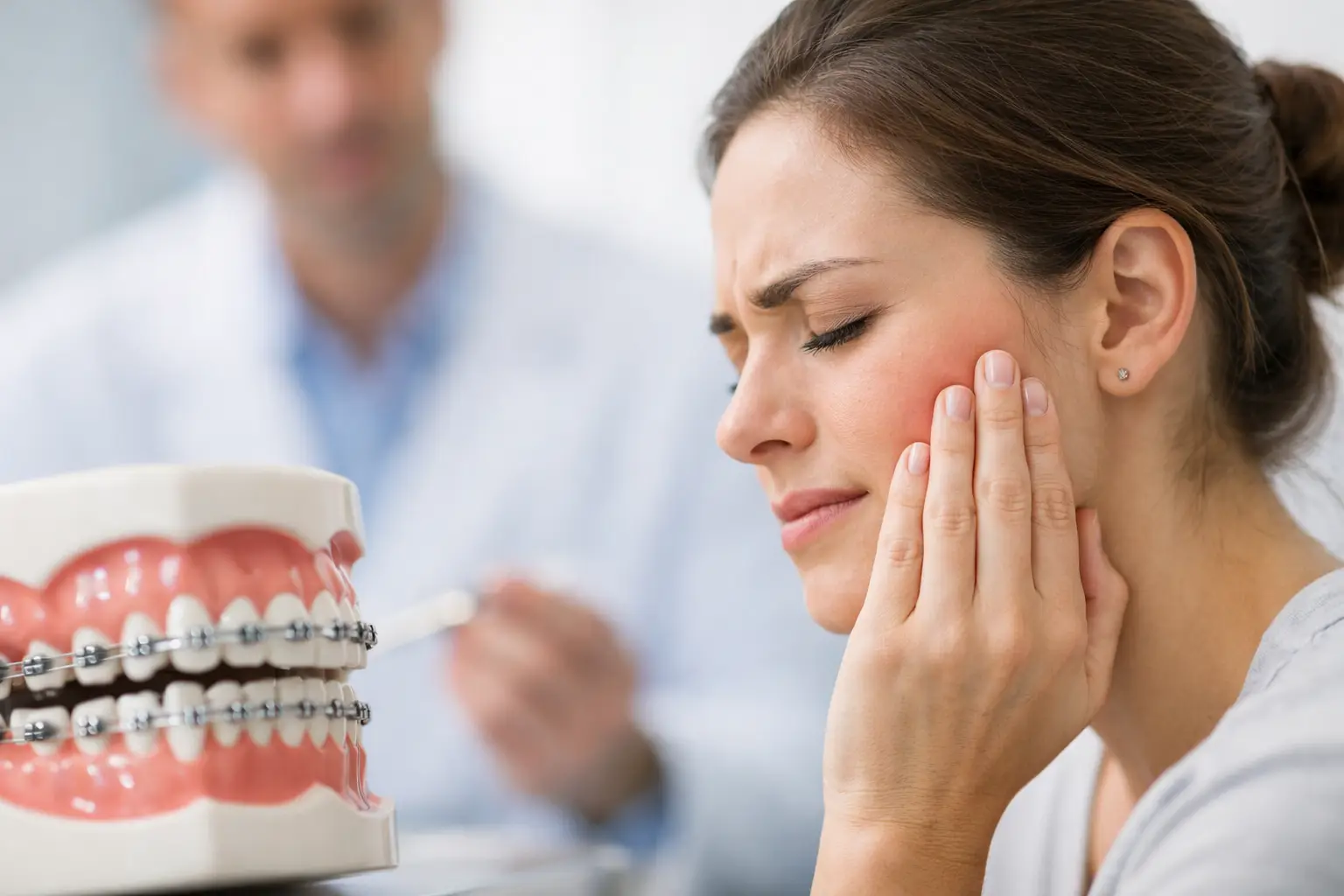
Jaw pain can make ordinary moments feel surprisingly difficult: chewing a sandwich, speaking through a long meeting, or waking up with a tight, tired face. If your teeth feel uneven when you bite or your jaw clicks, it is natural to ask: do braces help jaw pain? Sometimes, but not automatically. The right answer depends on what is causing the discomfort and whether your bite is part of the problem.
Braces and clear aligners are designed to move teeth and improve how the upper and lower teeth fit together. For some patients, correcting a significant bite issue can reduce the strain placed on the jaw during chewing. For others, jaw pain is more closely connected to clenching, joint inflammation, stress, injury, or sleep habits. That is why a careful, personalized evaluation matters more than a one-size-fits-all answer.
Do Braces Help Jaw Pain When a Bite Is Involved?
Your temporomandibular joints, often called TMJs, connect your lower jaw to your skull. They work with your teeth, muscles, and nerves every time you chew, yawn, talk, or swallow. When these parts are not working comfortably together, you may experience jaw soreness, headaches, clicking, limited opening, or a feeling that your bite has changed.
An orthodontic concern may contribute to discomfort when teeth meet in a way that makes the jaw work harder than it should. Examples can include a pronounced overbite, underbite, crossbite, open bite, or teeth that are severely crowded or shifted. If your bite causes you to slide your jaw to find a comfortable closing position, or makes chewing uneven, orthodontic treatment may be part of a broader plan to improve function.
Braces can gradually guide teeth into healthier positions and create a more balanced bite. That may reduce certain sources of muscle fatigue or bite-related strain. The key word is may. Jaw pain has many possible causes, and a bite that looks imperfect is not always the reason someone hurts.
What Braces Cannot Reliably Treat
It is easy to assume that straightening teeth will solve any jaw click or ache. Clinically, the relationship is more nuanced. Orthodontic treatment is not considered a universal cure for temporomandibular disorder, often shortened to TMD. It is also not appropriate to begin braces solely on the promise that they will eliminate jaw pain.
TMD is an umbrella term for conditions affecting the jaw joints and chewing muscles. Common contributors include nighttime grinding, daytime clenching, stress, arthritis, a past injury, poor sleep, and muscle overuse. A person may have a very healthy bite and still experience jaw pain. Likewise, someone may have crowded teeth or a crossbite without any TMJ symptoms at all.
Braces do not directly treat an inflamed joint, a muscle spasm, or stress-related clenching. In some cases, the first priority is calming symptoms with conservative care before considering permanent tooth movement. That can include a custom appliance, physical therapy, habit changes, coordination with a dentist or physician, or further evaluation by the appropriate specialist.
This does not mean orthodontics and TMJ care are separate conversations. It means treatment should be sequenced thoughtfully. An orthodontist can assess whether tooth and bite correction is likely to support your long-term comfort, rather than making assumptions based on one symptom.
Signs Your Bite May Deserve an Orthodontic Evaluation
A bite evaluation can be helpful if jaw discomfort happens alongside clear changes in how your teeth fit. You may notice that one side of your mouth does most of the chewing, your front teeth do not meet, or your lower jaw shifts to one side as you close. Frequent cheek biting, uneven tooth wear, difficulty biting into food, and teeth that feel like they hit first are also useful details to share.
For children and teens, early evaluation can be especially valuable when a crossbite causes the jaw to shift to one side. Growth can provide opportunities to guide jaw development and bite function in ways that may not be available later. Early treatment is not necessary for every child, but a timely orthodontic exam can clarify whether observation or treatment is the more comfortable path.
Adults should not assume they have missed their chance. Braces and Invisalign clear aligners can address many bite concerns at any age, provided the teeth and gums are healthy enough for treatment. The best option depends on the movement needed, your bite, your lifestyle, and the level of precision your case requires.
A Thoughtful Approach to Jaw Pain and Orthodontics
The most reassuring next step is not choosing braces or aligners before you have answers. It is having an evaluation that looks at the whole picture. At 1st Impressions Orthodontics, that means listening closely to what you feel, when symptoms occur, and how your teeth come together, then using detailed imaging and a clinical exam to understand your bite.
Your orthodontist may assess tooth alignment, jaw position, facial growth, bite contacts, tooth wear, and any signs that your jaw is shifting to compensate. They will also ask about clenching, headaches, sleep, prior injuries, and changes in pain. This helps distinguish a potential orthodontic contribution from concerns that may need a different type of care first.
If orthodontic treatment is appropriate, your plan should explain the goal in plain language. Perhaps the focus is correcting a crossbite, making space for crowded teeth, improving how the back teeth meet, or reducing a functional shift. Treatment may involve metal braces, clear braces, or clear aligners. Each option has advantages, but the appliance should follow the diagnosis, not the other way around.
If braces are not the right first answer, that is still a valuable outcome. Clear guidance can prevent unnecessary treatment and help you get to the right provider or conservative therapy sooner.
What to Expect During Treatment
If bite correction is part of your care plan, orthodontic treatment works gradually. Teeth move in small, controlled increments, and it takes time for the bite to settle into its planned position. You may feel temporary pressure after adjustments or when starting a new aligner, but persistent or worsening jaw pain should always be discussed with your orthodontic team.
Communication matters throughout treatment. Let your orthodontist know if your jaw begins clicking more often, locks, feels unstable, or becomes sore after chewing. Those details can help guide adjustments and determine whether additional support is needed. A personalized plan should have room to respond to what your body is telling you.
It is also helpful to avoid habits that overload the jaw while symptoms are active. Chewing gum, biting nails, holding a phone between your shoulder and ear, and eating very hard or chewy foods can aggravate already-tired muscles. Small changes, along with the treatment your care team recommends, can make daily comfort more manageable.
When Jaw Pain Needs Prompt Attention
Most jaw discomfort is not an emergency, but some symptoms deserve prompt professional attention. Contact a dental or medical professional if you have:
- A jaw that locks open or closed, or suddenly cannot open normally
- Significant swelling, fever, or signs of a dental infection
- Pain after a fall, blow to the face, or other injury
- New numbness, severe headache, vision changes, or pain that spreads to the chest
Sudden changes in your bite or ongoing pain that interferes with eating, sleeping, or daily life also deserve an evaluation. Getting answers early is a form of compassionate care, not overreacting.
Jaw pain can feel discouraging, especially when you are unsure whether the issue is your teeth, your joints, or both. A careful orthodontic exam can replace guesswork with a clear path forward – whether that includes braces, aligners, supportive TMJ care, or a referral that better fits your needs.