
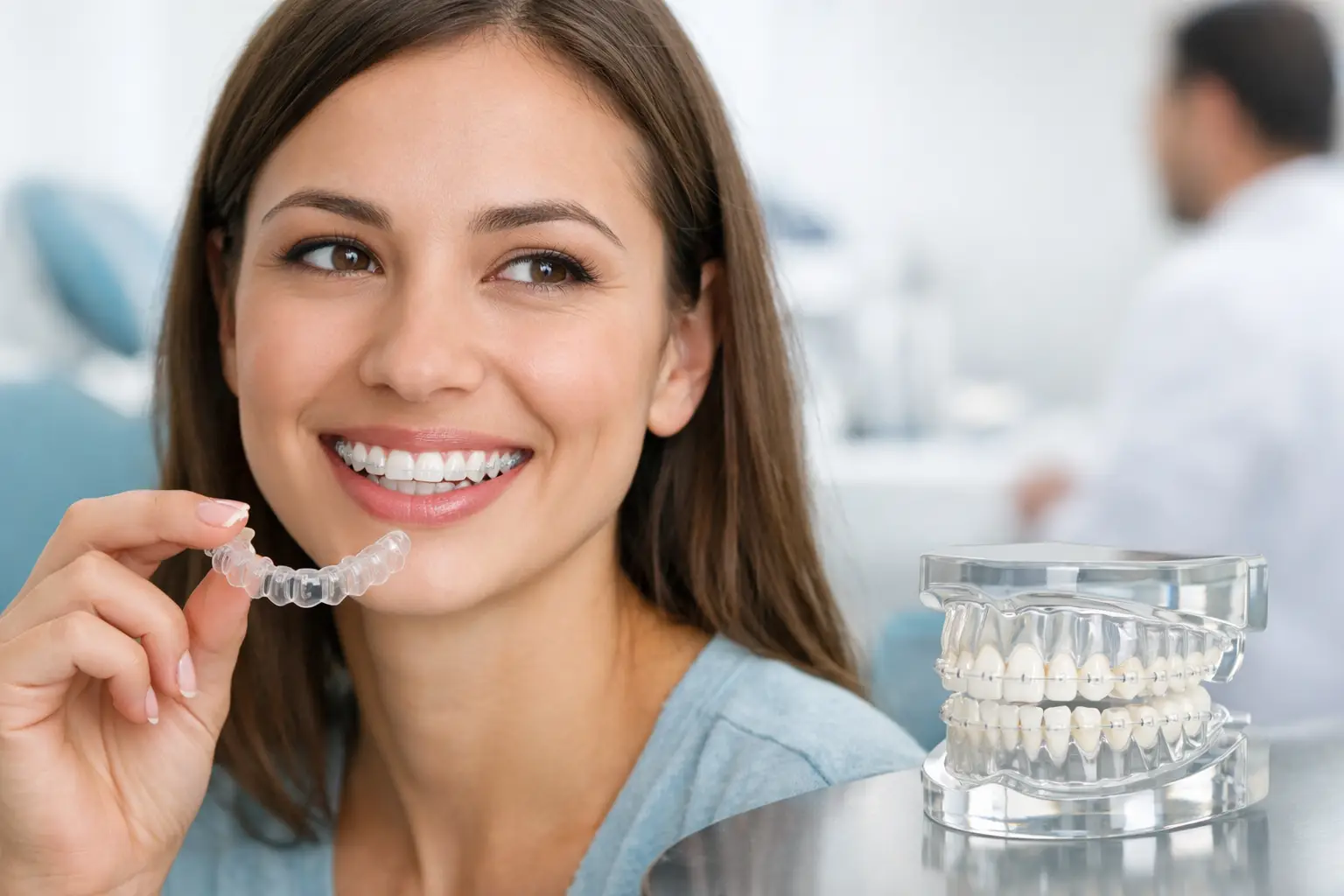
A clear braces review should answer more than one question: Will they be noticeable? The better question is whether clear braces can correct your smile and bite predictably while fitting your routine, comfort level, and treatment goals. For many teens and adults, they offer a reassuring middle ground – the precision of fixed braces with a much less visible appearance than traditional metal brackets.
Clear braces are not a one-size-fits-all cosmetic upgrade. They are a clinical tool, and the right choice depends on what needs to move, how you want treatment to feel day to day, and how much flexibility you need around meals, school, work, and activities. Here is an honest look at what patients can expect.
Clear Braces Review: What They Are and How They Work
Clear braces use tooth-colored or translucent ceramic brackets that are bonded to the front surfaces of the teeth. A thin wire connects the brackets and applies gentle, controlled force over time. At regular adjustment visits, your orthodontist changes or adjusts the wire to keep your teeth moving toward the planned result.
From a conversational distance, ceramic brackets tend to blend in with the natural color of teeth far more than metal braces. They are still braces, so they are not invisible. The wire and small elastic ties may be visible, especially up close. But patients who want a more subtle fixed option often find the difference meaningful.
Like metal braces, clear braces stay on around the clock. That consistency is one of their biggest strengths. You do not have to remember to put an appliance back in after lunch, sports, or a busy morning. The system continues working because it is already in place.
Who Usually Benefits From Clear Braces?
Clear braces can be an excellent option for teens, college students, and adults who need dependable tooth and bite correction but feel self-conscious about the look of metal brackets. They can address many of the same concerns as traditional braces, including crowding, gaps, rotated teeth, overbites, underbites, crossbites, and open bites.
They can be especially practical when treatment involves movements that benefit from the steady control of braces. Complex bite concerns, significant crowding, or teeth that need more precise rotation may make fixed appliances the most efficient recommendation. That does not mean aligners cannot be appropriate for many cases. It means the appliance should follow the treatment plan, not the other way around.
Age matters less than readiness and oral hygiene. A responsible teen may do very well with clear braces. An adult with a demanding job may prefer them because there is no need to manage removable trays during meetings, travel, or meals. At the same time, anyone who struggles to brush thoroughly may need extra coaching, since ceramic brackets make daily cleaning particularly important.
Appearance: Subtle, Not Completely Hidden
The main appeal is straightforward: clear braces are designed to be less noticeable. Ceramic material reflects light differently than metal and can blend naturally with the teeth. Many patients feel more comfortable smiling in photos, speaking at work, or meeting new people during treatment.
There is a trade-off. Clear brackets can be slightly larger or more delicate than metal brackets, and they require thoughtful care. The braces themselves are resistant to staining, but clear elastic ties can pick up color from coffee, tea, curry, tomato sauce, berries, and deeply colored drinks. Those ties are typically changed at adjustment appointments, so discoloration is temporary, but it is worth knowing before you start.
Comfort and Everyday Adjustment
Clear braces work with the same basic mechanics as metal braces, so the adjustment period is similar. Your teeth may feel tender for a few days after the braces are placed and after certain adjustments. That tenderness is usually manageable with soft foods, orthodontic wax for any rubbing areas, and the comfort guidance provided by your orthodontic team.
The inside of the cheeks and lips also need time to adapt. Most patients notice that this improves quickly as their mouth becomes accustomed to the brackets. Ceramic brackets may feel smoother to some people, but comfort is personal. Careful placement, clear instructions, and responsive support make a greater difference than any single material.
Clear Braces vs. Metal Braces vs. Clear Aligners
The best treatment choice is not simply the least visible one. It is the option that gives you a reliable path to the healthy, confident smile and bite you want.
Compared with metal braces, clear braces offer a more discreet appearance while providing similar around-the-clock control. Metal brackets are generally stronger and may be the more practical choice for patients who play high-contact sports, need a highly durable appliance, or want the most budget-conscious fixed treatment option. Clear braces may also cost more than metal braces because of their material and handling requirements.
Compared with clear aligners, clear braces are fixed. Aligners are removable and can be nearly invisible, which many adults and teens appreciate. However, they must be worn as directed, often 20 to 22 hours per day. Taking them out too often can slow progress or affect results. Clear braces remove that compliance variable, although they also come with food restrictions and more detailed brushing around brackets and wires.
There is no universal winner. A patient who values removability and can wear aligners consistently may be a strong aligner candidate. Someone who wants a subtle option without remembering trays may prefer ceramic braces. A personalized orthodontic evaluation is where those preferences meet the clinical facts of your bite.
What You Can Eat and How You Clean Them
Clear braces do require a few routine changes. Hard, sticky, and chewy foods can bend wires, loosen brackets, or make cleaning harder. Popcorn, hard candy, ice, sticky caramel, gum, and biting directly into whole apples or corn on the cob are common examples to avoid. Cutting firmer foods into smaller pieces helps protect your braces.
Cleaning is not complicated, but it must be consistent. Brush after meals when possible, use a soft toothbrush angled around the brackets and gumline, and clean between teeth daily with floss threaders, an orthodontic flosser, or another tool recommended by your orthodontic team. A fluoride toothpaste and regular dental cleanings help protect enamel throughout treatment.
This is where clear braces deserve an honest review: they can look polished, but they do not hide plaque or food debris. Excellent hygiene keeps the teeth and gums healthy and helps the ceramic brackets continue to look their best. If a bracket breaks or a wire starts poking, contact your orthodontic office for guidance rather than trying to fix it yourself.
How Long Do Clear Braces Take?
Treatment time varies because every smile and bite starts in a different place. Some focused cases can take less than a year, while comprehensive treatment commonly lasts about 18 to 24 months. More involved bite correction may take longer.
The most accurate timeline comes after a full orthodontic exam, photographs, digital scans or imaging, and a discussion of your goals. A responsible orthodontist will explain what is realistic rather than promising a fast result before evaluating the details. Keeping adjustment appointments and following care instructions also helps treatment stay on track.
Cost and the Questions Worth Asking
Clear braces often cost somewhat more than traditional metal braces, but the final fee depends on the complexity of treatment, expected length, insurance benefits, and the type of follow-up care included. A clear estimate should explain the total investment, payment options, what is included, and what may create additional fees.
At a consultation, ask whether clear braces are clinically appropriate for your bite, how they compare with metal braces or aligners for your specific goals, and what your expected treatment timeline looks like. You can also ask how the office handles repairs, appointments around school or work, retainers, and post-treatment monitoring. Clear answers reduce surprises and make treatment feel far more manageable.
At 1st Impressions Orthodontics, personalized planning is central to that conversation. Digital imaging and a careful exam help turn broad questions about appearance and convenience into a recommendation built around your own teeth, bite, lifestyle, and comfort.
The Bottom Line on Clear Braces
Clear braces are a strong choice for patients who want the proven control of fixed orthodontic treatment with a less noticeable look. They ask for good brushing, smart food choices, and regular visits, but they do not require the daily discipline of removable aligners. For the right case, that balance can make a big difference in both confidence and consistency.
If you are weighing clear braces against metal braces or aligners, start with a consultation rather than a guess based on photos alone. A thoughtful orthodontic plan can give you clear guidance, realistic expectations, and a treatment experience that feels supported from the first appointment onward.