
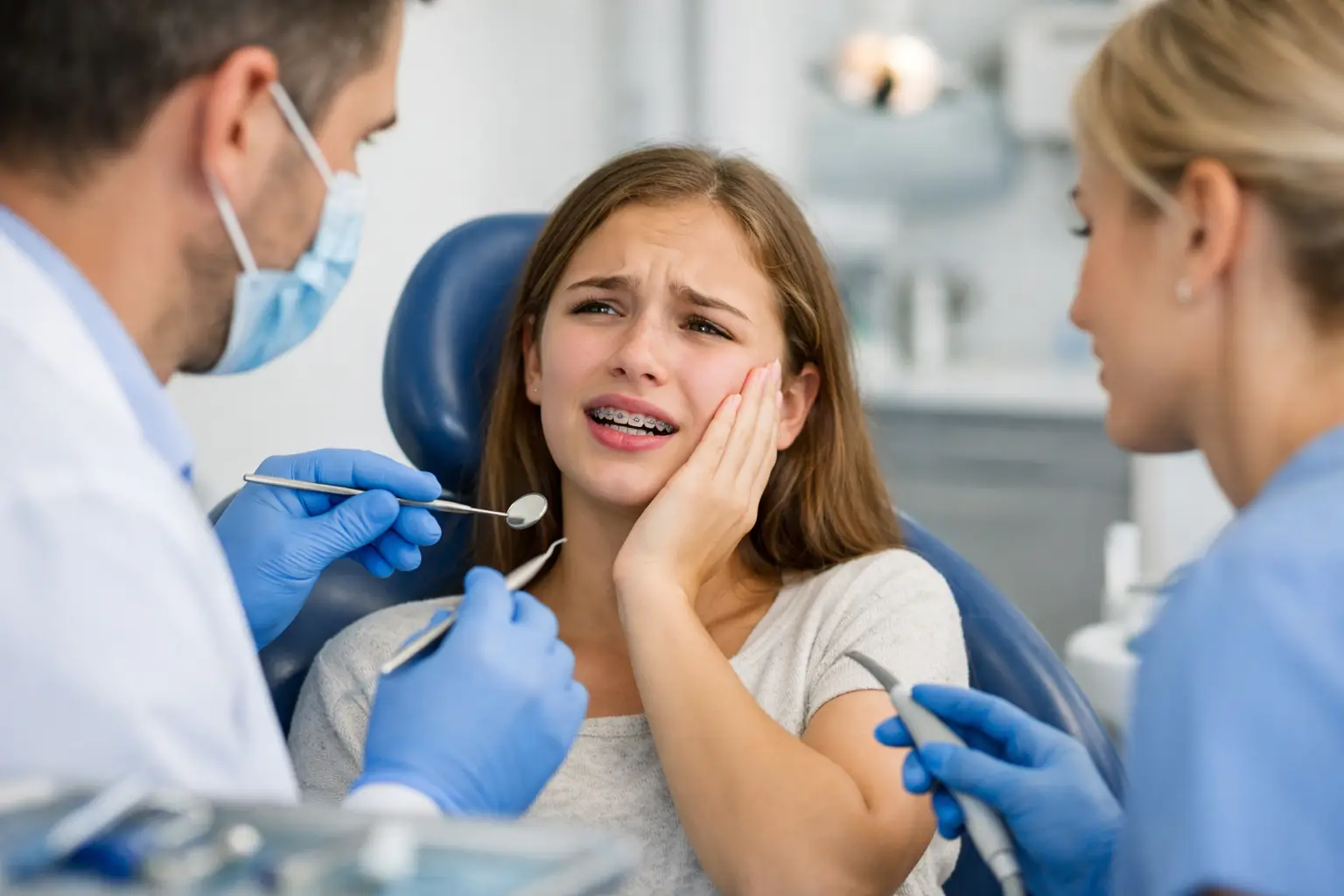
A loose bracket at dinner, a wire suddenly poking your cheek before school, or an aligner that disappears on a work trip can feel urgent fast. If you need an orthodontic emergency appointment Westminster families can count on, the first step is to stay calm. Most orthodontic problems can be made comfortable at home until your orthodontic team can guide you, but a few situations need immediate attention.
Knowing the difference protects your comfort, your teeth, and the progress you have already made toward a healthy, confident smile.
What Counts as an Orthodontic Emergency?
Not every broken bracket requires a same-day visit, even when it is inconvenient or uncomfortable. Orthodontic emergencies are generally problems that involve significant pain, injury, swelling, infection, uncontrolled bleeding, or a concern that a tooth has been damaged. A loose attachment or a missing elastic is usually not dangerous, but it still deserves a call so your treatment stays on track.
The most common issues we hear about are loose or broken brackets, bent or poking wires, lost aligners, broken retainers, irritation from braces, and appliances that have shifted or come loose. These can often be managed safely with clear instructions and a scheduled repair. It depends on your symptoms, the type of appliance, and how far it has moved.
A true dental injury takes priority. If a tooth is knocked out, pushed out of position, fractured, or causing severe pain after a fall or impact, contact a dentist or emergency dental provider right away. For serious facial trauma, heavy bleeding that will not stop, difficulty breathing or swallowing, or a suspected broken jaw, seek emergency medical care immediately.
What to Do Before Your Orthodontic Emergency Appointment
A quick call to your orthodontic office is always the right place to start. Explain what happened, when it happened, where the appliance is bothering you, and whether there is pain, swelling, bleeding, or an injury to a tooth. If requested, clear photos can help the team assess the problem and advise whether you should come in promptly or use a temporary at-home solution.
Avoid trying to cut a wire, pull off a bracket, or force an appliance back into place. Those well-intended fixes can damage the appliance, scratch soft tissue, or create a more complicated repair. Keep any piece that has come loose in a clean container and bring it to your visit if possible.
If a Wire Is Poking Your Cheek or Gum
Orthodontic wax is often the simplest short-term answer. Dry the area as well as you can with a tissue, then roll a small piece of wax between clean fingers and press it over the sharp end. A warm saltwater rinse can also soothe irritated tissue. Use a saltwater rinse made with warm water and a small amount of salt, then gently swish and spit.
If the wire has slid to one side, your orthodontic team may advise you to carefully use the eraser end of a clean pencil to nudge it away from the cheek. Only do this if you receive specific guidance and can move it gently. If the wire cannot be covered, is embedded in tissue, or is causing significant pain, call for prompt care.
If a Bracket Is Loose or Broken
A bracket that is still attached to the wire may spin or slide. Leave it in place, cover it with wax if it rubs, and avoid foods that could make it worse. Do not tug at it or try to reattach it with household glue.
If the bracket comes fully off, save it. Continue to brush carefully around the area and avoid hard, sticky, and crunchy foods until you have been seen. While a loose bracket may not require an after-hours visit, waiting too long can allow a tooth to move differently than planned. Calling early gives your orthodontist the best opportunity to protect your treatment timeline.
If You Lose an Aligner or Retainer
For clear aligner patients, a lost tray can be more time-sensitive than it appears. Teeth can begin shifting when they are not held in their planned position. Contact your orthodontic team as soon as you notice it is missing. Depending on your treatment stage, they may ask you to wear the previous aligner, move to the next tray, or come in for a replacement. Do not guess which option is right for you.
A lost or broken retainer deserves the same prompt call, particularly if you have recently completed treatment. Retainers protect the results you worked hard to achieve. If yours is cracked but still fits comfortably, your team may tell you to wear it temporarily. If it pinches, has sharp edges, or no longer seats fully, stop wearing it until you receive instructions.
Comfort Measures That Are Usually Safe
Until you can be evaluated, focus on protecting your mouth and keeping the appliance as stable as possible. Orthodontic wax, warm saltwater rinses, soft foods, and careful brushing are often helpful. Over-the-counter pain medication may be appropriate when used exactly as directed on the label and when it is safe for you or your child based on medical history.
Choose easy-to-chew foods such as yogurt, eggs, soup, smoothies, pasta, or mashed vegetables. Skip popcorn, chips, hard candy, ice, nuts, chewy candy, and anything sticky. These foods can bend wires, pull off brackets, and turn a minor repair into a more involved appointment.
If a sore spot develops, do not stop brushing. Plaque and food debris can make irritated gums feel worse. Use a soft toothbrush, take your time around sensitive areas, and rinse after meals. If you use removable aligners, clean them gently and keep them in their case whenever they are out of your mouth. A napkin is one of the most common places aligners are accidentally thrown away.
When You Should Call Right Away
Call your orthodontic office promptly for pain that is not relieved with normal comfort measures, a wire that is piercing your cheek or gum, an appliance that has become very loose, or a problem that prevents you from biting comfortably. Contact a dental professional urgently for a tooth injury, facial swelling, signs of infection, or a tooth that feels loose after trauma.
For children and teens, it helps to check the mouth after sports, playground falls, and other impacts, even if they initially say they are fine. A custom sports mouth guard can reduce the risk of dental injuries during contact activities, especially for patients in braces. Still, no mouth guard eliminates every possibility, and early assessment after an injury matters.
A few details make a call more productive: the type of appliance you wear, the exact location of the issue, whether any part was swallowed or lost, your current level of pain, and whether there was an impact to the face or teeth. This information helps the team determine the right next step without unnecessary stress or delay.
Why Prompt Guidance Keeps Treatment Moving
Orthodontic treatment is carefully planned around gentle, controlled tooth movement. When a bracket is off, a wire is bent, or an aligner is not being worn, the planned forces may no longer be working as intended. That does not mean your treatment has failed. It simply means timely guidance matters.
At 1st Impressions Orthodontics, emergency care is approached with the same personalized attention as every other part of treatment. The goal is to relieve discomfort, protect your smile, and give you clear guidance about what happens next. Advanced imaging and precise treatment planning are valuable tools, but so is listening carefully when a nervous patient or parent calls with a problem.
A Calm Next Step for Westminster Families
An orthodontic issue rarely arrives at a convenient time. Keep orthodontic wax and a clean aligner or retainer case handy, save any loose appliance pieces, and call as soon as you notice a concern. Whether the solution is simple home guidance, a repair visit, or urgent dental care, getting the right advice early can help you return to treatment with greater comfort and confidence.