
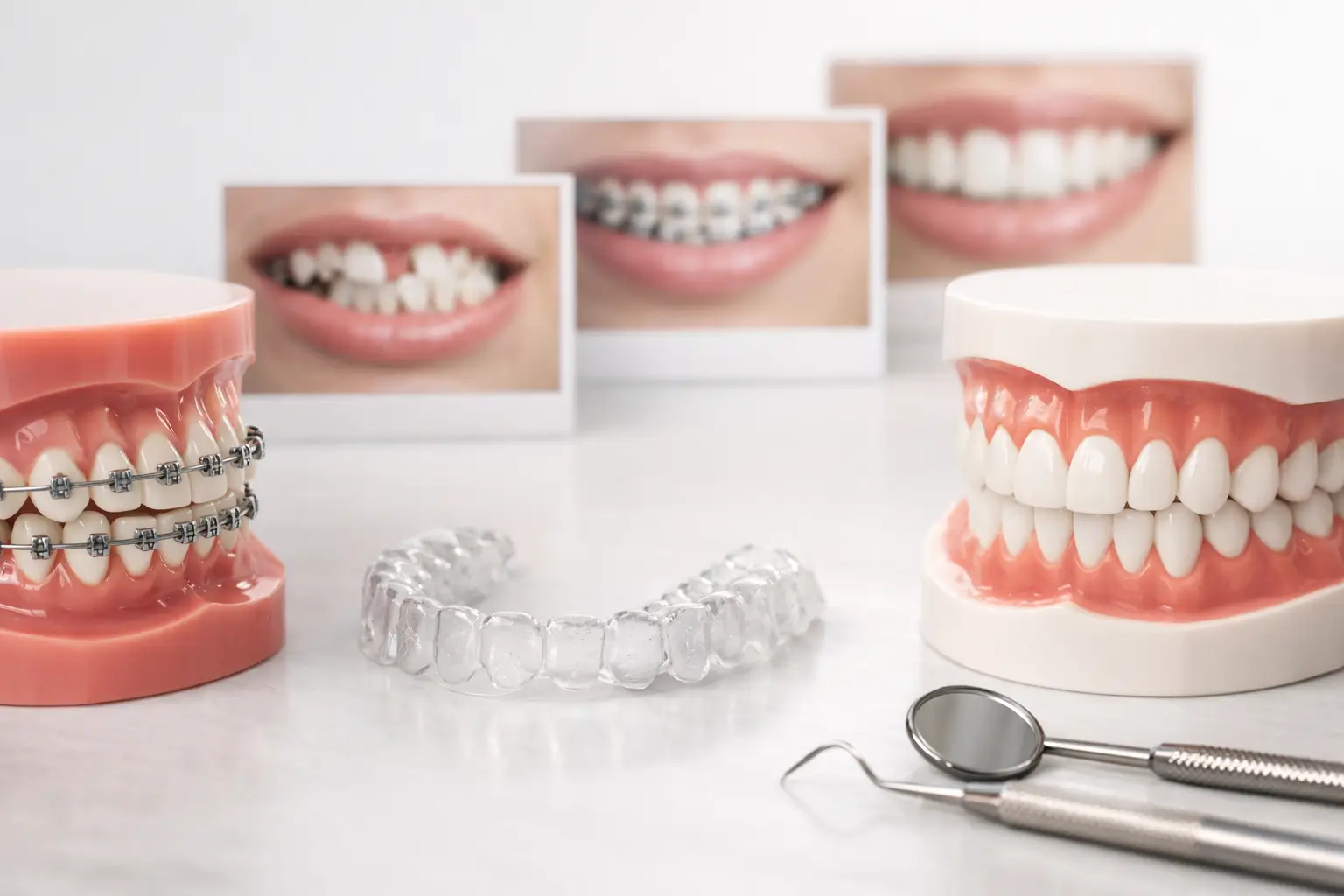
A bite correction timeline is rarely one-size-fits-all. Two people can have similar-looking smiles but need very different treatment plans because the position of their jaws, the way their teeth meet, their growth stage, and their daily habits all matter. The good news is that a clear orthodontic plan turns a big question – How long will this take? – into manageable steps with visible progress along the way.
Whether you are considering braces for your child, Invisalign clear aligners for your teen, or adult orthodontic treatment for yourself, the goal is not simply straighter teeth. It is a bite that functions comfortably, protects your teeth, and supports a confident smile for years to come.
What Is a Typical Bite Correction Timeline?
Many comprehensive orthodontic treatments take about 12 to 24 months. More limited treatment may take as little as 6 to 12 months, while complex bite concerns can take 24 months or longer. These ranges are useful starting points, but they are not a promise. A precise timeline comes after an orthodontic examination, digital records, and a close look at your goals.
Bite correction can address concerns such as an overbite, underbite, crossbite, open bite, crowding, spacing, or teeth that do not meet evenly. Some cases involve tooth movement only. Others require a more detailed plan because jaw growth, missing teeth, impacted teeth, gum health, or jaw discomfort are part of the picture.
For children, timing can be especially important. Early treatment may guide developing jaws or create space for permanent teeth, but it does not always eliminate the need for a later phase of braces or aligners. For teens and adults, treatment often focuses on moving the permanent teeth into a healthy, balanced relationship.
The First Visit: Building a Plan You Can Trust
Your timeline begins with a consultation, not with braces or aligners. During this visit, the orthodontist evaluates how your teeth fit together, how your jaw moves, and whether there are any signs that a bite issue could affect comfort, chewing, speech, tooth wear, or long-term dental health.
Digital photographs, scans, and 3D imaging can help create a detailed picture without relying on guesswork. This is also the right time to talk openly about what matters to you. A working adult may prioritize the appearance and flexibility of clear aligners. A teen may want to know how treatment fits around school, sports, and photos. A parent may be concerned about a child’s development and whether treatment needs to begin now.
After reviewing your records, your orthodontic team can explain the recommended treatment, expected phases, appointment schedule, and the factors most likely to affect your personal timeline. Clear guidance early on helps prevent surprises later.
The Main Phases of Bite Correction
Early movement and alignment
During the first few months, teeth often begin to straighten and crowding can improve noticeably. This is the phase many patients see in photos and mirrors first. Even so, early visible changes are only part of the process. Teeth still need to be positioned carefully so the upper and lower arches can work together.
With braces, adjustments are usually scheduled at regular intervals. With Invisalign clear aligners, patients move through a series of custom trays, typically changing them according to the instructions provided by their orthodontist. Aligners must be worn consistently, usually 20 to 22 hours a day, to keep treatment moving as planned.
Bite refinement
The middle portion of treatment is often where the bite receives the most detailed attention. Your orthodontist may use elastics, specific wire changes, attachments for aligners, or other carefully selected tools to guide teeth into a more balanced bite.
This phase can feel slower than the first few months because the adjustments are more precise. That does not mean progress has stalled. Fine-tuning how teeth touch is essential for comfortable function and lasting results. A smile can look straight before the bite is fully corrected, which is why completing treatment matters.
Finishing details
Near the end of active treatment, the focus shifts to small refinements. A tooth may need a minor adjustment, an aligner patient may need additional trays, or the orthodontist may fine-tune the bite contact points. These final details help create a result that is not only attractive but also stable and functional.
For some patients, this stage is short. For others, especially those with more complex starting conditions, it takes additional time. Precision is worth protecting here. Rushing the finish can compromise the result you have worked toward.
Retainers and long-term stability
Active treatment ends when braces come off or the final aligner phase is complete, but retention begins immediately. Teeth naturally have a tendency to shift, particularly during the first months after orthodontic treatment. Retainers hold your new tooth positions while the surrounding bone and tissues adapt.
Your orthodontist will provide a retention plan based on your needs. Some patients wear retainers full-time at first and then transition to nighttime wear. Others may have a fixed retainer behind certain teeth in addition to a removable retainer. Wearing retainers as instructed is one of the most important parts of protecting your investment.
What Can Make Treatment Faster or Slower?
Orthodontic treatment is a partnership. Your biology and the complexity of your bite play a role, but your day-to-day consistency matters, too. Keeping appointments, following care instructions, and communicating quickly when something feels wrong all help keep the plan on track.
For braces patients, broken brackets, damaged wires, and missed adjustments can add time. Avoiding hard, sticky, or chewy foods that can damage appliances helps reduce unexpected delays. Good brushing and flossing are equally important because swollen gums or tooth decay may require attention before certain orthodontic steps can continue.
For clear aligner patients, wear time is the biggest variable patients can control. Taking aligners out too often or forgetting to wear them overnight can prevent teeth from tracking as planned. If an aligner does not fit correctly, contact the orthodontic office rather than trying to force the next tray.
Some delays are not preventable. Teeth move at different rates from person to person, and an orthodontist may recommend a slower, safer approach when roots, gums, or jaw joints need extra consideration. A thoughtful adjustment to the plan is not a setback. It is part of delivering responsible, personalized care.
Braces or Invisalign: Does the Timeline Change?
Neither braces nor Invisalign automatically means faster treatment. Both can be highly effective for many bite concerns when they are selected and managed appropriately. The right option depends on your bite, the movements needed, your lifestyle, and your ability to follow treatment instructions.
Braces are fixed to the teeth, so they are working around the clock without depending on daily wear habits. They can be an excellent choice for complex movements and for patients who prefer not to manage removable trays. Clear aligners are discreet and removable for meals and brushing, which many adults and teens appreciate. Their success, however, depends on consistent wear.
The best treatment is the one that can achieve your clinical goals while fitting realistically into your life. At 1st Impressions Orthodontics, that conversation is centered on your comfort, schedule, and the healthy outcome you want – not on a one-size-fits-all answer.
When to Ask About a Bite Concern
Parents do not need to wait for every permanent tooth to come in before scheduling an orthodontic evaluation. Early assessment can identify developing crossbites, jaw discrepancies, crowding, or habits that may benefit from monitoring or timely intervention. An evaluation does not always mean immediate treatment. Often, it provides reassurance and a clear plan for when to return.
Adults should also consider an evaluation if they notice uneven tooth wear, shifting teeth, difficulty chewing, jaw discomfort, frequent biting of the cheeks, or a bite that feels off. Orthodontics can be valuable at many ages, provided the teeth and gums are healthy enough for treatment.
A timeline is more than a countdown to straighter teeth. It is a carefully guided process that supports your comfort, your confidence, and the way your smile works every day. A personal consultation can replace uncertainty with a plan built around your bite and your life.