
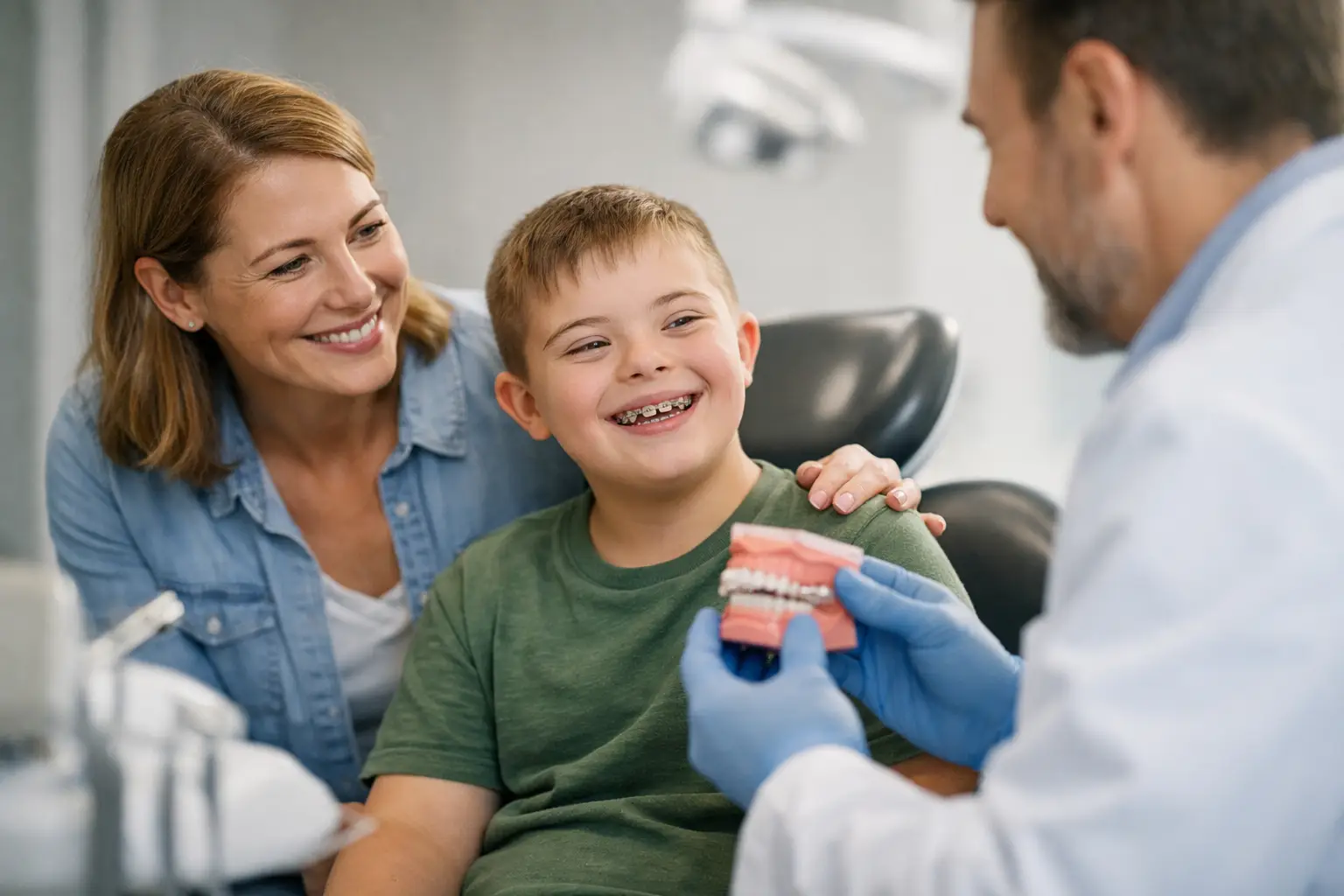
A child may be ready for orthodontic care long before they are ready for a typical orthodontic experience. That is where a thoughtful guide to special needs orthodontics can help. The goal is not to force a patient into a standard treatment routine. It is to create a plan that respects their communication style, sensory needs, medical history, comfort level, and smile goals.
For families, the right orthodontic relationship can make treatment feel far more manageable. With clear guidance, flexible pacing, and compassionate care, orthodontics can support better function, comfort, and confidence without making every visit a struggle.
What Special Needs Orthodontics Means
Special needs orthodontics is orthodontic care adapted for patients who may need additional clinical, emotional, sensory, behavioral, or physical support. This can include children, teens, and adults with autism spectrum disorder, ADHD, anxiety, sensory processing differences, developmental disabilities, cerebral palsy, intellectual disabilities, hearing or vision differences, or complex medical conditions.
No two patients need the same approach. One patient may be comfortable with braces but need extra time to understand each step. Another may find the feeling of an impression, X-ray sensor, or cheek retractor overwhelming. A third may need help from a caregiver with brushing, elastics, or retainer wear.
The diagnosis matters, but the person matters more. A personalized orthodontic plan begins with understanding what helps a patient feel safe, how they communicate, what situations may be difficult, and what a successful appointment looks like for their family.
Why Orthodontic Care Can Be Especially Valuable
Crooked teeth and bite problems are not only cosmetic concerns. For some patients, crowded or misaligned teeth can make brushing more difficult, increase areas where food collects, or create uneven tooth wear. Certain bite concerns may also affect chewing, speech, jaw comfort, or the ability to keep the mouth clean.
Orthodontic treatment may help create a healthier, easier-to-clean smile. In some cases, early treatment can guide jaw growth or make room for permanent teeth, potentially simplifying later care. Timing depends on the patient’s growth, dental development, health needs, and ability to participate in treatment.
That said, treatment is not automatically the right next step simply because teeth are crooked. If wearing an appliance, attending appointments, or maintaining oral hygiene would currently create significant distress, an orthodontist may recommend waiting, modifying the plan, or focusing on a smaller treatment goal first. Thoughtful care means balancing the benefits of treatment with the patient’s day-to-day well-being.
The First Visit Should Be About Listening
A consultation should never feel like a test a patient has to pass. It is an opportunity for the orthodontic team and family to learn from one another.
Before the appointment, sharing helpful details can make a meaningful difference. Parents and caregivers may want to explain how the patient communicates, whether they use a device or visual supports, what sensory triggers to avoid, which coping tools work well, and whether there are medical considerations the team should know about. Even small details, such as a preferred name, a favorite topic, or whether a patient prefers direct language, can help build trust.
During the visit, the orthodontist evaluates tooth alignment, bite function, jaw development, oral health, and available treatment options. Digital imaging and 3D technology can make this process more precise and may reduce the need for some traditional impressions. However, technology is helpful only when it serves the patient. If a scan or image cannot be completed comfortably that day, the team can discuss alternatives or a slower approach.
At 1st Impressions Orthodontics, personalized care starts with meeting patients where they are. Some visits move quickly. Others are designed around breaks, gradual introductions, and a little extra time to become familiar with the space and team.
Choosing Braces, Clear Aligners, or a Limited Plan
There is no single “best” orthodontic option for patients with special needs. The best choice is the one that can safely and realistically support the patient’s goals.
Traditional metal braces are fixed to the teeth, so they do not rely on remembering to insert and remove trays. They can be a reliable choice when caregivers can help with brushing and when a patient may misplace removable appliances. Clear braces may be an option for some patients who want a less noticeable look, although they can require extra attention to prevent staining.
Clear aligners can be convenient and discreet, but they require consistent wear and regular removal for meals and cleaning. For a patient who strongly dislikes the sensation of trays, chews on appliances, or may not tolerate frequent changes, aligners may not be the easiest fit. On the other hand, some patients prefer their smooth edges and the ability to remove them briefly for brushing or sensory breaks.
Sometimes a limited treatment plan is the most compassionate choice. Rather than correcting every detail, treatment may focus on a specific concern, such as reducing crowding that makes hygiene difficult or correcting a bite issue that affects function. Clear priorities help families make decisions without pressure.
Making Appointments Feel More Predictable
Predictability can reduce anxiety before treatment even begins. Ask the orthodontic office what to expect at each visit, including how long it may take and whether the patient will need photographs, digital scans, X-rays, adjustments, or new appliances.
Many families find it helpful to prepare with a simple sequence: arrive, check in, sit in the treatment chair, complete one or two planned steps, and choose a positive activity afterward. A visual schedule, social story, comfort item, headphones, sunglasses, or fidget can be useful depending on the patient’s preferences.
It is also reasonable to ask about appointment timing. A quieter time of day, a shorter visit, or a first appointment when the patient is most rested can make a real difference. If a procedure needs to be broken into smaller steps, that is not a failure. It is a care plan built around the patient.
Daily Care Is a Team Effort
Braces, aligners, and retainers all require daily care. For patients who need support with fine motor skills, routines, or oral sensitivity, the orthodontic team can provide practical, judgment-free guidance for caregivers.
With braces, brushing around brackets and wires is especially important. An electric toothbrush, floss threader, water flosser, or small interdental brush may help, but the right tools depend on what the patient can tolerate and use consistently. A caregiver may need to assist with brushing, particularly at night.
For clear aligners and retainers, a routine can prevent lost appliances: remove them only in a designated place, rinse them after removal, store them in their case, and return them to the mouth after eating and brushing. If a patient has a habit of chewing or mouthing objects, let the orthodontist know so the appliance design and care instructions can account for it.
Food choices can also affect treatment. Crunchy, sticky, and hard foods can damage braces, while frequent sugary snacks raise the risk of cavities around brackets. Families do not need perfection. They need clear, repeatable routines and a team that explains what to do when something goes off track.
When to Call the Orthodontist
A loose bracket, poking wire, broken appliance, or lost retainer can be uncomfortable, but it is usually manageable with prompt guidance. Call the orthodontic office for instructions rather than trying to repair an appliance at home.
Seek urgent medical care for significant facial swelling, trouble breathing or swallowing, a serious injury, or uncontrolled bleeding. For other orthodontic concerns, a calm call to the office can help determine whether the patient needs to be seen right away or whether a temporary comfort measure can work until the next visit.
A Better Experience Starts With Clear Communication
Families should never feel they have to apologize for asking for accommodations, more explanation, or a slower pace. Orthodontic care works best when parents, caregivers, patients, and the clinical team communicate openly about what is working and what needs to change.
A confident smile is meaningful, but so is the experience of being treated with patience and respect. The right plan gives patients room to move at their own pace while still making steady progress toward a healthier, more comfortable bite.