
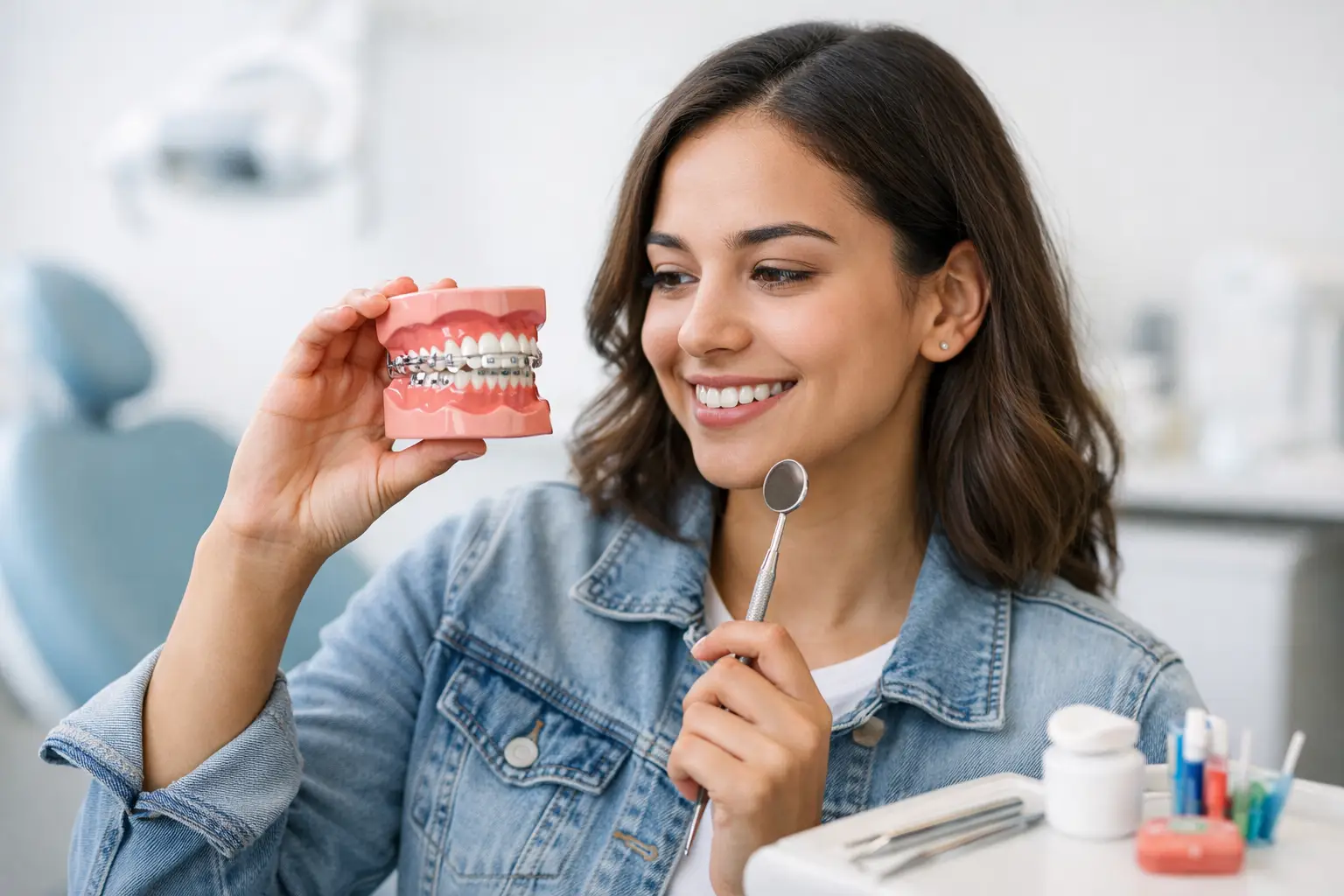
The day braces go on is exciting, but it can also bring a few very reasonable questions: Will it hurt? What can I eat? What should I bring? Knowing how to prepare for braces takes much of the uncertainty out of the experience. A little planning helps you begin treatment feeling comfortable, informed, and ready to focus on the smile and bite improvements ahead.
How to Prepare for Braces at Your Consultation
Your orthodontic consultation is the best time to get clear answers and create a treatment plan that fits your needs. This is more than a quick look at your teeth. Your orthodontist evaluates how your teeth fit together, the alignment of your jaws, spacing or crowding, and concerns such as difficulty biting, jaw discomfort, or teeth that are difficult to clean.
Digital photos, X-rays, and 3D imaging may be used to see details that are not visible during a regular exam. These tools help your orthodontist recommend the right approach, whether that is metal braces, clear braces, or another orthodontic option. The recommendation should be based on your bite, goals, timeline, and lifestyle, not simply on which option is most popular.
Come prepared to talk about what matters to you. Parents may want to ask how treatment will work around school, sports, and family schedules. Teens may be curious about color choices, photos, and what friends will notice. Adults often want to discuss appearance, work commitments, and how to keep treatment convenient. There are no wrong questions, and a judgment-free conversation makes it easier to choose with confidence.
It is also helpful to discuss practical details before treatment starts. Ask about estimated treatment length, appointment frequency, payment and insurance options, and what to do if a wire or bracket becomes uncomfortable. Orthodontic treatment is personalized, so timelines can change as teeth respond. Clear communication from the start helps prevent surprises later.
Take Care of Dental Needs First
Braces work best when teeth and gums are healthy. Schedule a dental cleaning if you are due for one, and complete any fillings, periodontal care, or other dental work your general dentist recommends before braces are placed. If you have a history of sensitive gums or frequent cavities, tell your orthodontic team so they can help you plan for excellent care during treatment.
Begin brushing thoroughly twice a day and cleaning between your teeth every day now. This habit will be especially valuable once brackets and wires are in place. Braces do not cause cavities, but food and plaque can collect around brackets if cleaning is rushed or inconsistent. Starting with a strong routine makes the transition easier.
If your child is getting braces, practice together before the appointment. Let them know that braces are a tool for guiding their smile, not a punishment or something to fear. A calm, matter-of-fact conversation can make a big difference for a nervous child or teen.
Set Up Your First-Week Comfort Kit
Most patients do not need a complicated shopping list, but having a few basics at home can make the first several days more comfortable. Teeth may feel tender when biting, especially after braces are first placed and after future adjustments. That feeling is usually temporary and is a sign that the teeth are beginning to move.
Keep orthodontic wax available for a bracket or wire that rubs against the cheek or lip. Your orthodontic team will show you how to apply it. A soft toothbrush, fluoride toothpaste, floss threaders or an orthodontic flossing tool, and an interdental brush can also make cleaning around brackets more manageable.
For discomfort, follow the guidance provided by your orthodontist and use only over-the-counter pain relief that is appropriate for you or your child. Some people feel very little soreness, while others prefer softer meals for a few days. It depends on individual sensitivity and the amount of pressure needed to move the teeth safely.
You may also want to prepare a small travel kit for school, work, or activities. A toothbrush, toothpaste, wax, and a compact mirror are usually enough. Brushing after meals when possible keeps food from sitting around brackets and helps you feel more confident during the day.
Plan Soft, Easy Meals for the First Few Days
You do not need to change every meal forever, but a little meal planning prevents the first week from becoming frustrating. Choose foods that are easy to chew while teeth adjust, such as yogurt, scrambled eggs, soups, pasta, oatmeal, smoothies, mashed potatoes, soft fruit, rice, and tender cooked vegetables.
Cold foods can feel soothing for some patients. Smoothies or yogurt are good options, but avoid chewing ice. Ice can damage brackets and wires, even if it seems harmless.
Braces come with a few important food restrictions because hard, sticky, and chewy foods can loosen brackets or bend wires. Avoid popcorn, hard candy, nuts, chewy caramel, gum, and foods you bite directly into, such as whole apples, corn on the cob, or thick crusty bread. That does not mean you have to give up apples or sandwiches altogether. Cut firm foods into bite-size pieces and choose softer preparations when needed.
The trade-off is simple: a little care with food can reduce emergency visits and help treatment stay on schedule. If a favorite food feels risky, ask before trying it. Your orthodontic team would rather answer a quick question than repair avoidable damage.
Make Appointment Day Easier
Eat a normal, balanced meal before your braces appointment. Once braces are placed, your teeth may be too tender for a crunchy lunch or snack later that day. There is no need to arrive fasting unless your dental or medical provider has given you specific instructions.
Wear comfortable clothing and allow enough time in your schedule so you do not feel rushed afterward. Braces placement generally does not require recovery time, and most patients return to school or work the same day. Still, a lighter evening can be helpful, particularly for younger patients who may be processing a new sensation in their mouth.
Bring questions you thought of after the consultation. Ask your orthodontic team to review brushing, flossing, food choices, wax use, and what to do if something feels sharp. Before you leave, make sure you know how to reach the office if you have a concern between visits.
If you play contact sports, ask about a custom mouth guard that fits over braces. A properly fitted guard helps protect your teeth, lips, and orthodontic appliances during practices and games. Musicians who play wind instruments may need a short adjustment period as well, but most adapt quickly with practice and wax for any irritation.
Know What Is Normal and When to Call
Mild pressure, tenderness while chewing, and small areas of cheek or lip irritation are common during the first week. These usually improve as your mouth adapts. Rinsing gently with warm salt water may soothe minor irritation, and orthodontic wax can create a protective barrier while an area heals.
Call your orthodontic office if you have significant pain, swelling, a loose bracket, a poking wire you cannot cover with wax, or an appliance that has shifted. Do not try to cut a wire or repair a bracket yourself. Prompt guidance protects your comfort and prevents a small problem from becoming more complicated.
At 1st Impressions Orthodontics, patients receive clear instructions and compassionate support throughout treatment, including when an unexpected concern comes up. The goal is not just a precise result. It is helping every patient feel cared for at each stage of the process.
Prepare for the Routine, Not Just the First Day
Braces are a commitment, but they become part of daily life faster than most people expect. The biggest predictors of a smooth experience are consistent brushing, careful food choices, wearing any prescribed elastics exactly as directed, and keeping adjustment appointments. Skipping elastics or repeatedly damaging appliances can slow progress, while steady habits help your treatment plan do its job.
It can help to set phone reminders for brushing, elastics, or appointments, especially during the first month. Parents can keep a simple supply of soft foods and wax at home. Adults may find that a discreet work or travel kit removes the worry of getting food caught in braces after lunch.
Braces are temporary, but the confidence that comes from a healthier, more comfortable smile can last for years. Give yourself a few days to adjust, lean on your orthodontic team for guidance, and remember that every small routine you build now supports the result you are working toward.