
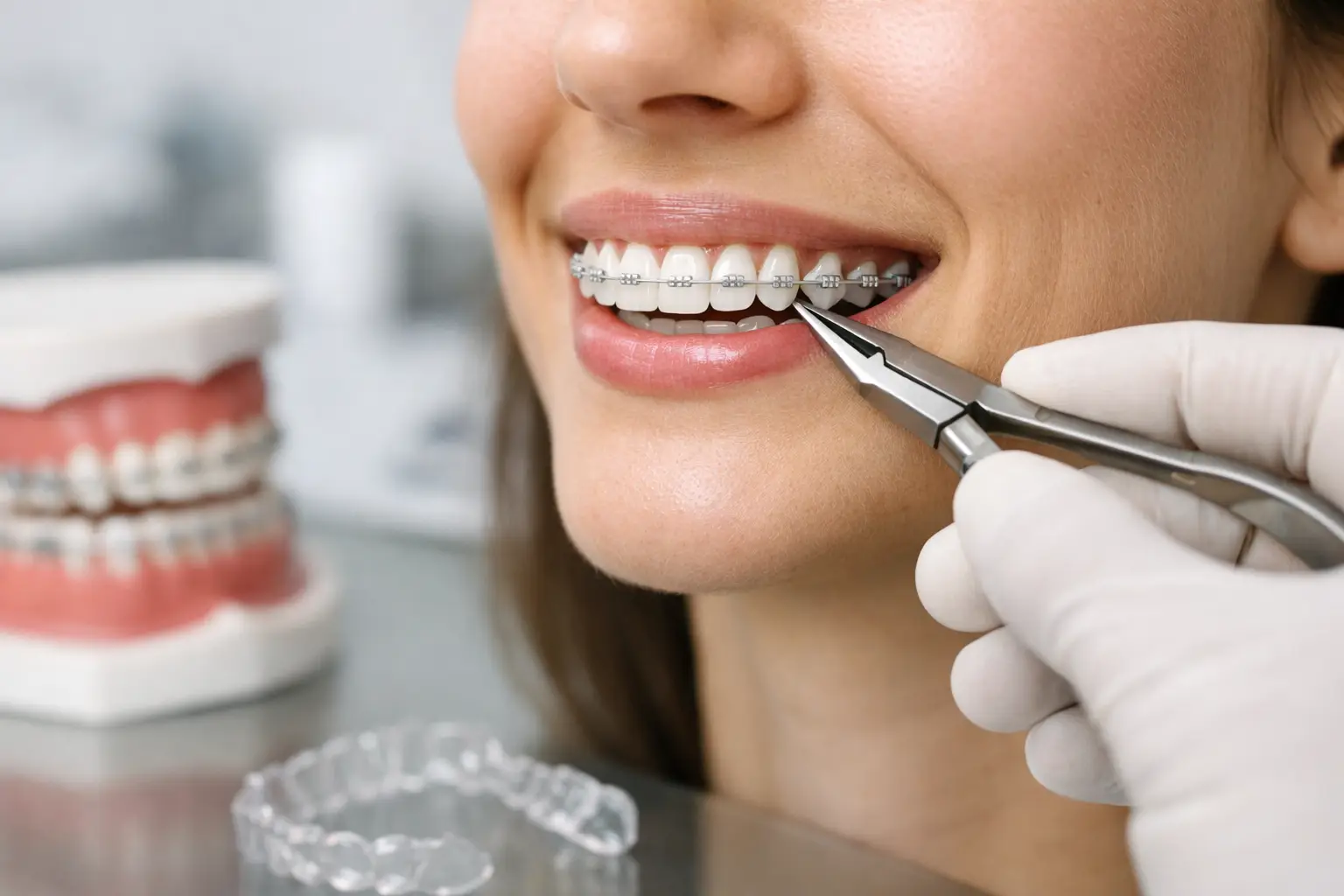
A bite issue can be easy to overlook until it affects something you do every day: chewing comfortably, speaking clearly, smiling in photos, or waking up with a sore jaw. If you are wondering how to straighten bite issues, the answer is not a one-size-fits-all appliance. It starts with understanding how your teeth and jaws fit together, then creating a treatment plan that respects your goals, comfort, and schedule.
At 1st Impressions Orthodontics, that means looking beyond whether teeth appear straight from the front. A healthy, balanced bite helps protect your teeth, supports comfortable jaw function, and gives your smile a stable foundation for years to come.
What Does It Mean to Have a Bite Issue?
Your bite is the way your upper and lower teeth meet when you close your mouth. Ideally, they come together in a balanced relationship that lets you chew effectively without placing too much force on a small group of teeth. Bite concerns happen when teeth are crowded, spaced, tilted, or positioned in a way that prevents that balance.
Some bite issues are visible right away. Others are more subtle and may show up as uneven tooth wear, frequent cheek biting, difficulty chewing certain foods, or jaw fatigue. Not every bite difference causes pain, but an orthodontic evaluation can identify whether it could create problems over time.
Common bite patterns orthodontists treat
An overbite occurs when the upper front teeth cover too much of the lower front teeth. In some cases, the lower teeth may contact the roof of the mouth or be hidden behind the upper teeth.
An underbite is the opposite pattern, where the lower teeth sit in front of the upper teeth. This can involve the teeth, the jaws, or both, so the right timing and treatment approach matter.
A crossbite happens when some upper teeth close inside the lower teeth instead of outside them. It may affect one tooth, several teeth, or an entire side of the mouth. An open bite means the front or back teeth do not meet fully when the mouth is closed.
Crowding, spacing, protruding teeth, and shifted dental midlines can also affect how the bite functions. The names are useful, but they are only a starting point. The most important question is why the bite developed and what will create a healthy, lasting correction.
How to Straighten Bite Issues Safely
The safest way to straighten a bite is through a comprehensive orthodontic exam. Home remedies, store-bought aligners, and trying to force teeth into position can cause damage to the teeth, gums, or jaw joints. Bite correction requires careful control of tooth movement, not simply making front teeth look straighter.
During an orthodontic consultation, the team evaluates tooth alignment, jaw growth, facial balance, gum health, and the way your teeth make contact. Digital photos, scans, and 3D imaging may be used when appropriate to see details that are not obvious in a mirror. This creates a more precise plan and gives you a clear picture of what treatment can realistically accomplish.
For children and teens, timing can be especially valuable. Because the jaws are still growing, early interceptive orthodontic treatment may guide development, create room for incoming permanent teeth, or address a developing crossbite or underbite before it becomes more complex. Early treatment does not mean every child needs braces right away. It means evaluating growth at the right time so a needed opportunity is not missed.
Adults can absolutely improve bite issues, too. Adult treatment may take a different approach because jaw growth is complete, existing dental work may need consideration, and gum health is a key part of planning. With the right diagnosis, many adults achieve meaningful functional and cosmetic improvements through orthodontic treatment.
Braces or Clear Aligners for Bite Correction?
Both braces and clear aligners can correct many bite issues. The best choice depends on the complexity of your bite, the movements needed, your daily habits, and how consistently you can follow treatment instructions.
Braces offer detailed control
Metal braces and clear braces are dependable options for simple and complex orthodontic needs. Brackets and wires allow the orthodontist to make highly controlled adjustments, including movements that may be necessary for significant rotations, crowding, vertical bite changes, and more involved bite corrections.
Modern braces are smaller and more comfortable than many people expect. They are also a helpful choice for younger patients who may not yet be ready to wear removable aligners as directed. The trade-off is that braces stay on throughout treatment and require thoughtful brushing, flossing, and food choices.
Clear aligners fit many busy lifestyles
Invisalign clear aligners can be an excellent option for teens and adults who want a less noticeable treatment experience. The aligners are removable for meals and brushing, which can make oral hygiene and day-to-day routines feel easier. They can treat many types of crowding and bite concerns when planned and monitored by an orthodontic specialist.
However, aligners only work when they are worn consistently, typically about 20 to 22 hours each day. Taking them out too often can slow progress or affect the result. Some complex bite issues are better treated with braces, while others can be managed with aligners, attachments, elastics, or a combination of approaches. A personalized recommendation is more valuable than a promise that one option works for everyone.
When Bite Issues Need More Than Tooth Movement
Teeth and jaws work together, which is why orthodontic planning sometimes involves more than aligning teeth. Elastics may be used to improve how the upper and lower teeth relate to each other. In certain cases, temporary anchorage devices can support precise movements. Severe jaw discrepancies may require coordination with other dental or medical specialists, particularly when jaw surgery is the most predictable way to achieve a functional bite.
This does not mean every underbite, open bite, or jaw concern leads to a complicated treatment plan. It means a responsible orthodontic recommendation should explain the options, their limits, and the expected outcome. Clear guidance helps you make decisions with confidence rather than feeling pressured into a treatment that does not fit your needs.
For patients with jaw discomfort, clicking, clenching, or symptoms connected to TMJ concerns, an orthodontic evaluation can also help determine whether the bite may be part of the picture. Jaw pain has many possible causes, so it deserves an individualized assessment instead of assumptions.
What to Expect During Treatment
Once treatment begins, appointments are generally scheduled at intervals that keep your teeth moving safely and efficiently. Digital treatment planning can make progress easier to visualize, while regular check-ins allow the orthodontic team to monitor your bite, answer questions, and make adjustments as needed.
Good home care matters. With braces, careful brushing around brackets and daily cleaning between teeth help protect enamel and gums. With aligners, wearing trays as instructed and keeping them clean are essential. In either case, protecting your teeth during sports and keeping regular dental cleanings are important parts of treatment.
Treatment time varies. A mild concern may take less time than a more complex bite correction, but no trustworthy plan should promise an exact timeline before a full exam. Your treatment length depends on the starting bite, the type of tooth movement required, how your teeth respond, and how closely you follow care instructions.
When active treatment is finished, retainers protect the result. Teeth naturally have a tendency to shift over time, even after beautiful orthodontic work. Retainer wear is the final step that helps your new bite and smile stay where they belong.
Signs It Is Time to Schedule an Orthodontic Evaluation
A consultation is worthwhile if you notice teeth that do not meet comfortably, uneven wear, frequent biting of the cheeks or tongue, difficulty chewing, a visibly shifted bite, or concern about how your child’s teeth and jaws are developing. It is also reasonable to schedule an exam simply because you want straighter teeth and are unsure whether a bite issue is involved.
You do not need to diagnose the problem before asking for help. A compassionate orthodontic team can explain what they see in plain language, discuss treatment choices without judgment, and help you understand the practical details, from comfort to scheduling to expected results.
A healthier bite is not about chasing a perfect-looking smile. It is about giving your teeth and jaws the support they need to function comfortably and confidently. The next helpful step is a personalized orthodontic evaluation, where your questions can be answered and your treatment can be designed around the smile you actually want to live with.