
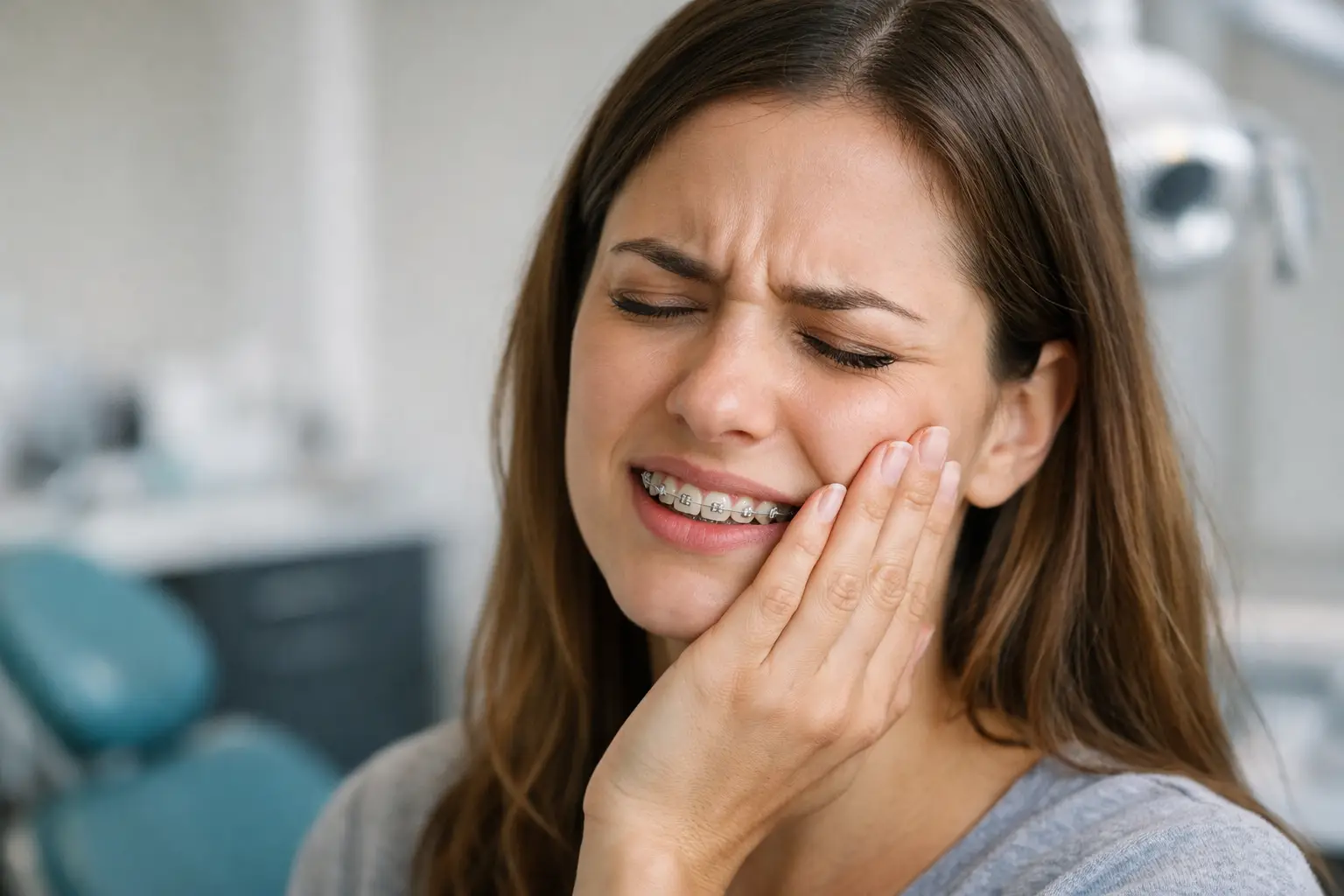
You leave your braces appointment, catch your reflection, and then the question hits: are braces painful at first? It is one of the most common concerns we hear from patients and parents, and the honest answer is yes, some soreness is normal – but it is usually manageable, temporary, and far less dramatic than many people expect.
For most people, braces do not cause sharp, constant pain. What you are more likely to feel is pressure, tenderness, and a general awareness that your teeth are starting to move. That can feel strange for a few days, especially when you are eating or brushing, but it tends to improve quickly as your mouth adjusts.
Are braces painful at first, or just uncomfortable?
Usually, it is more accurate to call it discomfort than severe pain. Braces work by applying gentle, controlled force to shift teeth into healthier positions. That force creates inflammation around the teeth for a short period, which is why biting into crunchy food can feel sore after braces are first placed or adjusted.
The brackets themselves can also irritate the inside of your lips and cheeks at first. Your mouth is not used to having those new surfaces there yet. This soft tissue irritation is common in the first week, especially for teens and adults who are very aware of every change in their mouth.
The good news is that your body adapts. Teeth begin adjusting to the pressure, and the inside of the mouth gets better at tolerating the brackets and wires. For many patients, the first few days are the hardest, not the whole treatment.
What braces pain usually feels like
Braces discomfort is different from a dental emergency. It is not typically throbbing or intense enough to stop your day. Most patients describe it as a dull ache, pressure when biting down, or tenderness in specific teeth.
You might notice that foods you normally eat without thinking suddenly feel challenging. Sandwiches, pizza crust, apples, and crunchy snacks can feel like too much at first. Even brushing and flossing may make your teeth feel sensitive for a day or two.
If a bracket or wire rubs against your cheek, that can feel more annoying than the tooth pressure itself. It may create a small sore spot, but orthodontic wax usually helps quickly. If irritation continues, your orthodontic team can make small adjustments to improve comfort.
When braces hurt the most
If you are wondering when soreness is most likely, there are a few common windows.
The first is within several hours after braces are placed. Some patients feel fine leaving the office, then notice pressure building later that day or the next morning. The second is about 24 to 72 hours after placement, which is often when teeth feel most tender.
After that, discomfort usually starts easing. Many people feel significantly better by day three to five, although mild sensitivity can last up to a week. Future adjustment appointments can also cause temporary soreness, but it is often shorter and more predictable than the very first time.
That said, every mouth is different. A teen with mild crowding may have a different experience than an adult with more complex bite correction. Pain tolerance, the type of braces, and how much movement is happening all play a role.
How long does the discomfort last?
For most patients, the initial braces soreness lasts a few days and settles within about a week. Soft tissue irritation from brackets may come and go a bit longer until the lips and cheeks toughen up.
Adjustments during treatment can restart that sore feeling, but usually on a smaller scale. You may feel pressure for a day or two after a wire change or a new elastic is placed. That does not mean something is wrong. In many cases, it means the braces are doing their job.
If pain is getting worse instead of better after several days, or if something feels poking, loose, or broken, that is worth checking. Normal soreness should gradually improve, not spiral.
What helps when braces are painful at first
The first week goes more smoothly when you expect a little tenderness and plan for it. Softer foods can make a big difference. Yogurt, soup, smoothies, pasta, mashed potatoes, scrambled eggs, oatmeal, and rice are usually easier to handle than crunchy or chewy meals.
Cold foods can also be soothing. Ice water, smoothies, and chilled applesauce may help calm inflamed tissues. Some patients like to use an over-the-counter pain reliever if their orthodontist says it is appropriate for them. Taking it as directed, especially before soreness peaks, can help take the edge off.
Orthodontic wax is one of the simplest tools for cheek or lip irritation. If a bracket is rubbing, a small piece of wax creates a smoother surface while your mouth adjusts. Warm salt water rinses can also help soothe sore spots inside the mouth.
Try not to test your braces by chewing hard foods too soon. That usually makes soreness worse and increases the risk of broken brackets. A gentler approach for a few days can make the whole experience easier.
What is normal and what is not
Some tenderness is expected. Mild pressure, sore teeth, sensitivity when chewing, and a little rubbing on the cheeks are all common at the start.
What is less typical is severe pain that does not improve, swelling that seems excessive, bleeding that continues, or a wire that is clearly digging into the gums or cheek. A loose bracket or bent wire can make a normal adjustment feel much harder than it should.
This is where having a responsive orthodontic office matters. Patients often feel more at ease when they know they can ask questions, send a photo, or come in if something feels off. Good orthodontic care is not just about straight teeth. It is also about support while your mouth is adjusting.
Do braces hurt more for kids, teens, or adults?
Not necessarily, but the experience can feel different. Kids may bounce back quickly and complain less, even when they are sore. Teens are often very aware of both the physical feeling and the social adjustment. Adults sometimes describe more sensitivity, partly because they are more tuned in to changes and may already have dental wear, restorations, or gum sensitivity.
Lifestyle matters too. A busy adult with meetings all day may be more frustrated by speech changes or soreness at lunch than a younger patient who can rest after school. That is why personalized guidance matters. Comfort is not just about what is happening biologically. It is also about how treatment fits into daily life.
Does the type of braces change the pain level?
Sometimes, but not always in a dramatic way. Metal braces, clear braces, and clear aligners all move teeth by applying pressure. That means each option can cause temporary soreness, especially when treatment begins or changes.
Traditional braces may create more cheek and lip irritation because of the brackets. Clear aligners may feel smoother on soft tissues, but they can still make teeth sore when switching to a new tray. Clear ceramic braces can be a great cosmetic option, though they still involve the same basic process of tooth movement.
The right question is often not which option is pain-free, because none truly are, but which one best matches your goals, treatment needs, and lifestyle. A thoughtful treatment plan can help reduce unnecessary stress from the beginning.
A little preparation makes the first week easier
The start of orthodontic treatment is an adjustment, but it does not have to feel overwhelming. Knowing that soreness is temporary helps many patients feel more confident walking into their first appointment. So does having a plan for meals, wax, oral hygiene, and a realistic idea of what the first few days may feel like.
At 1st Impressions Orthodontics, we believe the first phase of treatment should come with clear guidance and compassionate support, not guesswork. If you are considering braces and feel nervous about discomfort, that is completely normal. Asking questions before treatment starts is one of the best ways to make the process feel easier.
The first week with braces is rarely anyone’s favorite part, but it passes quickly – and for most patients, it is the beginning of a smile that feels healthier, more comfortable, and more confident for years to come.