
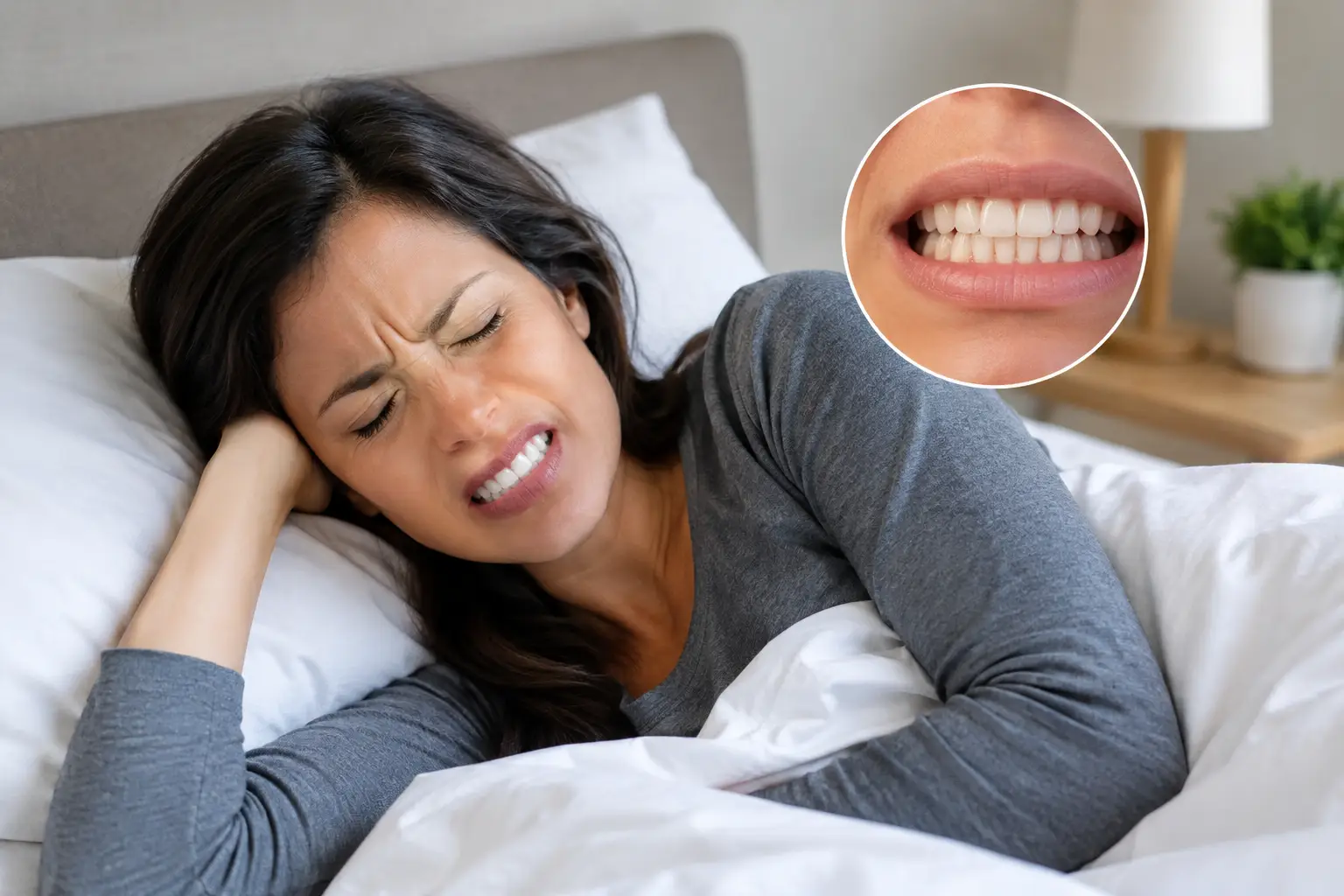
Waking up with a tight jaw, a dull headache, or teeth that feel unusually sensitive can be more than a rough night of sleep. If you are asking what causes teeth grinding, the answer is rarely one simple thing. Teeth grinding, also called bruxism, may be tied to stress, sleep patterns, certain medications, jaw and bite concerns, or a combination of factors.
The good news is that grinding can be evaluated and managed. A personalized approach can help protect your teeth, ease jaw discomfort, and identify whether an underlying concern deserves attention.
What Causes Teeth Grinding During Sleep or the Day?
Some people clench or grind while concentrating, driving, exercising, or feeling frustrated. Others do it primarily during sleep and may not realize it until a partner hears the sound or a dentist notices signs of wear. Daytime and nighttime grinding can overlap, but they do not always have the same triggers.
Stress, anxiety, and muscle tension
Stress is one of the most common contributors to clenching and grinding. When your body is under pressure, the jaw muscles can stay activated without you noticing. A demanding workweek, school stress, family responsibilities, or a major change in routine may make daytime clenching more frequent.
Stress does not mean the symptoms are “all in your head.” The muscle tension is real, and repeated pressure can lead to jaw soreness, headaches, worn enamel, or chipped dental work. Learning to notice when your teeth are touching during the day is often an early and useful step. At rest, your lips may be together, but your upper and lower teeth should generally not be pressed together.
Sleep-related factors
Sleep bruxism can occur during brief periods of arousal from sleep. It is associated with disrupted sleep patterns in some people, and it may be more likely when someone is not sleeping well overall. Snoring, frequent waking, insomnia, and other sleep concerns can be relevant clues.
Sleep-disordered breathing, including obstructive sleep apnea, deserves particular attention. Not everyone who grinds has sleep apnea, and not everyone with sleep apnea grinds. Still, if grinding comes with loud snoring, gasping, daytime fatigue, morning headaches, or trouble staying asleep, it is worth discussing with a qualified healthcare professional. Addressing the breathing or sleep issue may be an important part of the plan.
Bite and jaw alignment concerns
An uneven bite, crowded teeth, or jaw alignment concern may affect how the teeth meet and how the jaw muscles function. These issues do not automatically cause bruxism, and orthodontic treatment is not a universal cure for grinding. That distinction matters.
However, when a bite imbalance creates strain, it can contribute to discomfort or make the effects of grinding more noticeable. An orthodontic evaluation can assess tooth alignment, jaw relationships, wear patterns, and how your bite functions as a whole. For some patients, correcting an underlying bite concern can be part of long-term comfort and tooth protection.
Caffeine, alcohol, nicotine, and daily habits
What happens before bed can affect the quality of sleep and, for some people, grinding behavior. Caffeine late in the day, alcohol near bedtime, and nicotine use can interfere with restorative sleep. These are not guaranteed causes, but they are practical habits to consider if symptoms seem worse on certain nights.
Chewing gum frequently, biting pens, or holding tension in the jaw can also keep facial muscles working overtime. If your cheeks feel tired or your jaw is sore after a day at a desk, you may be clenching more often than you realize.
Medications and health conditions
Some medications may be associated with bruxism as a side effect, including certain antidepressants and stimulant medications. Never stop or change a prescribed medication on your own. Instead, tell your prescribing clinician and dental provider about your symptoms so they can help determine whether a medication review is appropriate.
Less commonly, some neurologic or medical conditions can be connected with involuntary jaw movement. This is another reason a professional evaluation is valuable, especially if the grinding begins suddenly, is severe, or occurs alongside other new symptoms.
Signs That Teeth Grinding May Be Affecting Your Smile
Grinding is not always loud. In fact, many people have no idea they do it. A dentist or orthodontist may first notice flattened tooth edges, cracks, changes in enamel, or stress on restorations such as crowns and fillings.
You may also notice morning jaw tightness, tenderness near the temples, headaches, neck discomfort, tooth sensitivity, or a jaw that clicks or feels tired when chewing. Some people develop small chips along the edges of their front teeth. Others feel as though their bite has changed, even when the shift is subtle.
These symptoms can have several possible causes, including TMJ-related conditions, dental concerns, sinus pressure, or muscle strain. That is why it is best not to self-diagnose based on one symptom alone.
Why Early Care Matters
Your enamel is strong, but it cannot grow back once it has been worn away. Continued grinding can gradually shorten teeth, expose sensitive areas, damage fillings or crowns, and place extra stress on the jaw joints and muscles. In children and teens, a provider should also consider how growth, tooth eruption, and bite development fit into the picture.
Early care does not always mean major treatment. Sometimes the right next step is monitoring, reducing daytime clenching, improving sleep habits, or using a professionally designed appliance to protect teeth. The appropriate solution depends on what is driving the problem and what your exam shows.
How Teeth Grinding Is Evaluated
A thoughtful evaluation starts with listening. Your provider may ask when symptoms occur, whether anyone hears you grind at night, how you sleep, what medications you take, and whether stress has changed recently. They will also look for tooth wear, cracks, gum recession, muscle tenderness, jaw movement patterns, and bite relationships.
Digital imaging and detailed bite records can help clarify whether alignment or jaw position may be contributing to strain. If symptoms suggest a sleep-related concern, your provider may recommend coordinating with your physician or a sleep specialist. Good care recognizes that a jaw problem can have dental, orthodontic, behavioral, and medical pieces.
Treatment Depends on the Cause
There is no one-size-fits-all answer for bruxism. A custom night guard may protect teeth from the forces of nighttime grinding, but it does not necessarily remove the underlying trigger. It should fit precisely and be monitored, especially if you have braces, clear aligners, significant bite changes, or jaw discomfort.
For daytime clenching, awareness and small habit changes can make a meaningful difference. Try setting periodic reminders to relax your shoulders, let your jaw hang loose, and keep your teeth apart. Gentle jaw relaxation, stress-management support, and adjustments to caffeine or bedtime routines may also help when those factors apply.
When orthodontic issues are part of the picture, treatment may focus on improving how teeth fit together and function over time. Clear aligners or braces can be appropriate for some patients, while others may benefit most from protective care and monitoring. The right recommendation should be based on your goals, symptoms, oral health, and complete bite evaluation.
When to Schedule an Evaluation
Consider scheduling a visit if you have persistent jaw pain, frequent morning headaches, broken or worn teeth, increasing sensitivity, trouble opening your mouth comfortably, or a bite that feels different. Prompt care is especially worthwhile if a child is showing significant wear, jaw symptoms, snoring, or disrupted sleep.
At 1st Impressions Orthodontics, patients in Westminster and nearby communities can receive clear guidance on bite concerns, jaw comfort, and orthodontic options without judgment or pressure. A careful evaluation can help you understand what your teeth and jaw are telling you, then choose a next step that feels manageable.
You do not have to wait for a cracked tooth or constant jaw pain to ask for help. A conversation now can protect your smile, support more comfortable sleep, and give you a clearer path forward.